
The most useful document in the argument over whether BYD should be allowed to build cars in America is not a trade proposal or a summit communiqué. It is a procurement FAQ from the Federal Transit Administration.
That is because the country has already run this experiment. BYD built the American factory. It hired American workers, signed up a union, and bought American components. Then Washington wrote a law that made the factory’s address irrelevant.
That history deserves a spot on the table this week. Chinese President Xi Jinping is in the United States on a state visit running Sept. 23 through 25, according to China’s Foreign Ministry. On the visit’s opening day, Michigan Sen. Elissa Slotkin stood with Senate Democratic Leader Chuck Schumer, Sen. Elizabeth Warren and Sen. Andy Kim at a Capitol press conference urging President Trump to hold the line. First on Slotkin’s list, per her office: “keeping Chinese vehicles out of the United States.”
No official readout reviewed for this story mentions an automotive deal. But the worry in Michigan is not really about a BYD plant announcement. It is about something quieter: whether the barrier keeping Chinese-controlled automakers out of American showrooms is the kind of thing that can be traded away over dinner.
Right now, it is.
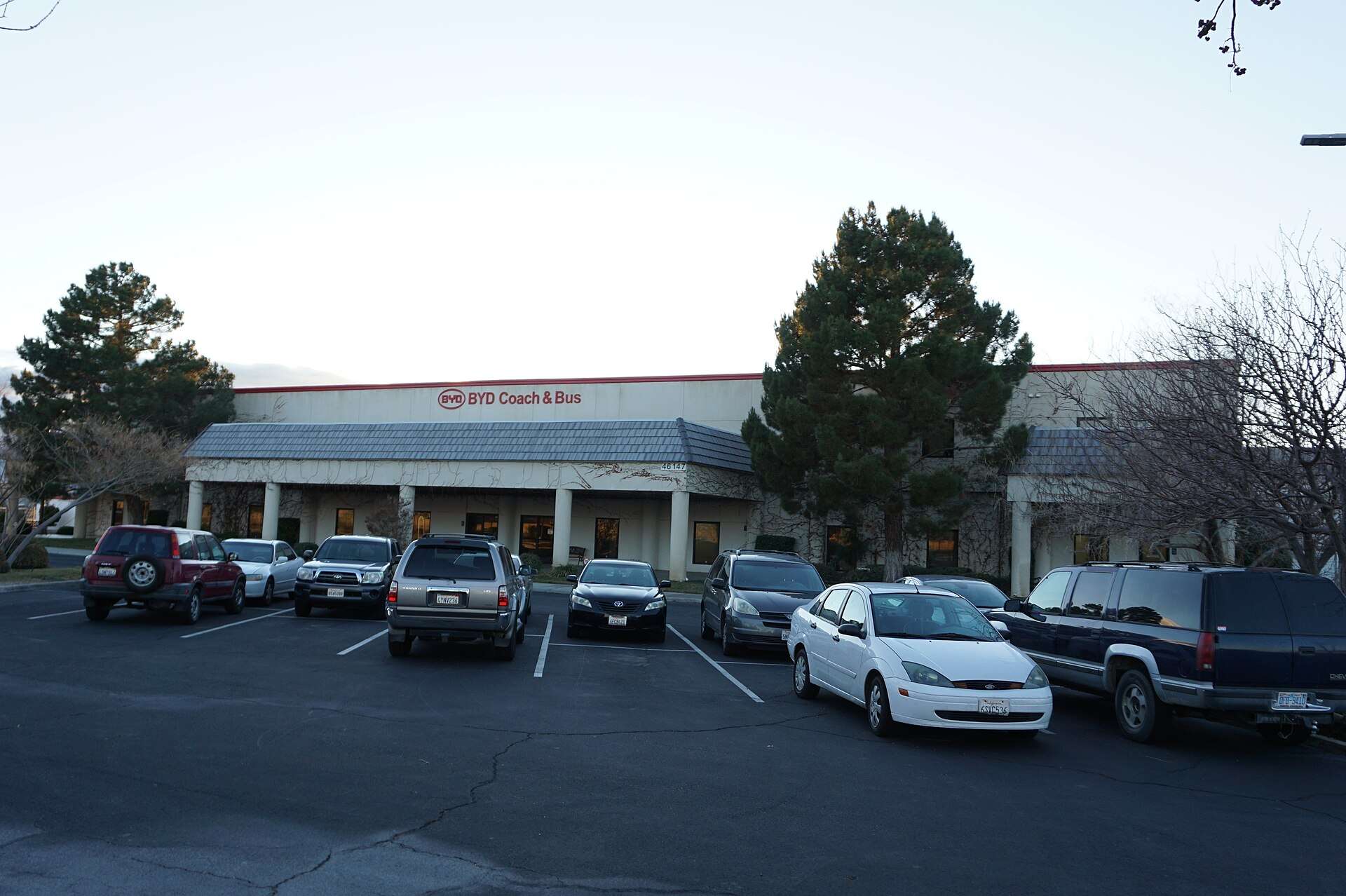
BYD’s American factory already exists
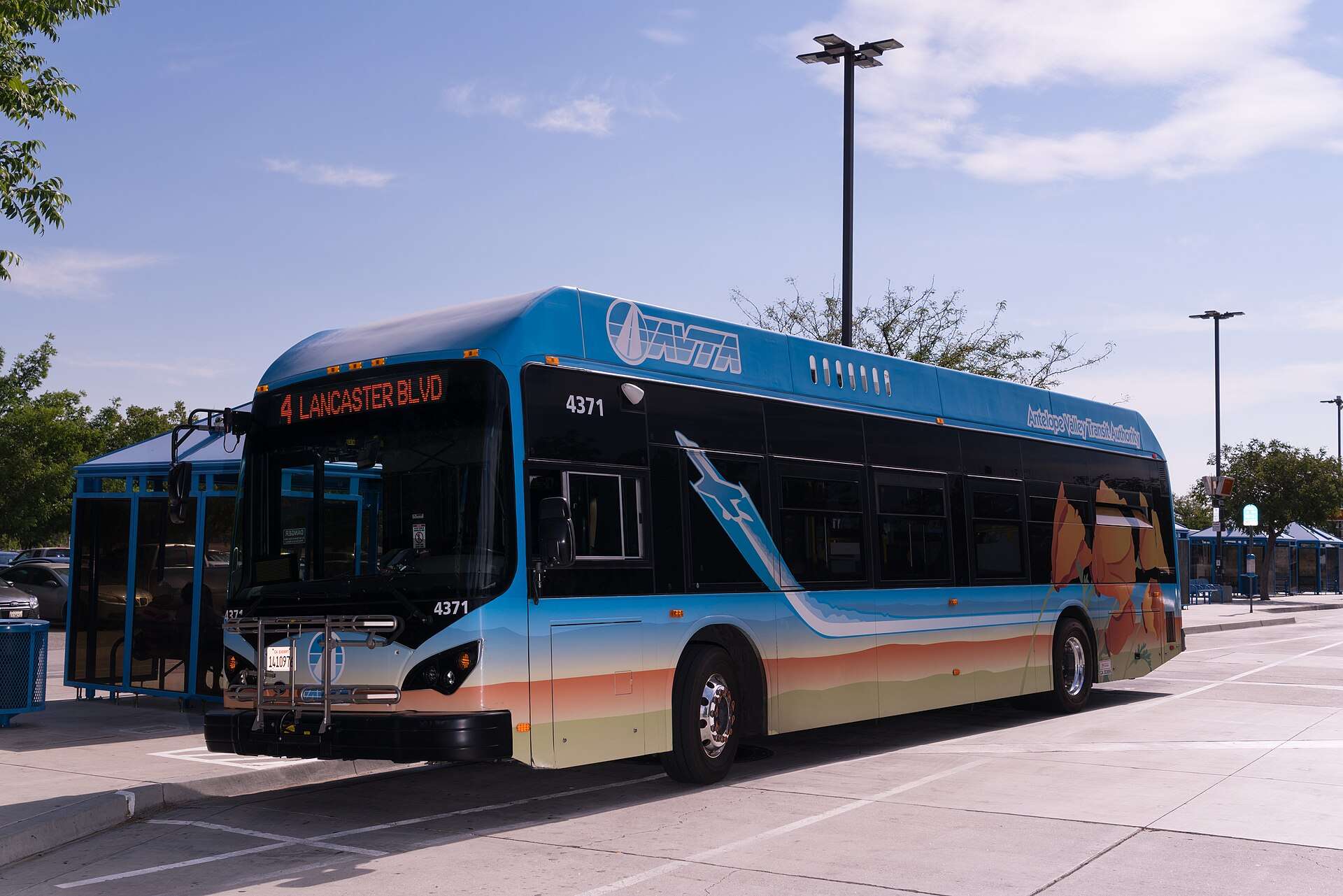
BYD has been building vehicles on U.S. soil for more than a decade. Its plant in Lancaster, California, builds battery-electric transit buses and coaches. In a release marking its 400th Lancaster-built bus, the company said it delivered its first American-built electric bus in 2014, had grown the site from 100,000 to more than 500,000 square feet, employed more than 750 people, and had customers in 14 states and four Canadian provinces. It also called itself the first pure electric vehicle manufacturer in the U.S. with an all-union workforce.
Read that list again, because it is almost exactly what supporters of letting Chinese automakers in say they want: domestic assembly, domestic jobs, domestic spending, organized labor. The Auto Wire has tracked BYD’s commercial vehicle business separately, and it remains the one part of the company Americans can actually see.
The law that made the factory address irrelevant
In December 2019, Section 7613 of the National Defense Authorization Act for Fiscal Year 2020 became law, signed during President Trump’s first term. It cut off Federal Transit Administration funding for buses and railcars from manufacturers tied to certain foreign countries, and China fits those criteria. The FTA’s own guidance describes the test: whether the manufacturer is owned or controlled by, is a subsidiary of, or is otherwise related legally or financially to a corporation based in one of those countries. A two-year phase-in ended Dec. 20, 2021.
Notice what the test does not ask. It does not ask where the bus was welded, who bolted on the seats, or which union represents the line. It asks who owns the company. A minority investment does not trigger it. Control does.
For a transit agency, federal money is not a side dish. It is the meal. A law that takes federal funds off the table for a builder’s buses changes who that builder can realistically sell to, no matter how many Californians are on its payroll.
That is the first lesson of Lancaster, and it is the one Washington keeps relearning: localization buys a Chinese automaker jobs on the ground. It does not buy trust in the boardroom it answers to.
Cars got a rule, not a law
Passenger vehicles are governed by something newer and, in one important way, weaker. In January 2025, the Commerce Department’s Bureau of Industry and Security finalized its connected vehicles rule. It took effect March 17, 2025. Starting with Model Year 2027, it bars connected-vehicle manufacturers owned by, controlled by, or subject to the jurisdiction or direction of China or Russia from selling new connected vehicles in the United States, and it bans covered Chinese or Russian software. Hardware restrictions follow with Model Year 2030.
The Auto Wire has already explained why a U.S. factory would not get a Chinese automaker around that rule, and why the president’s invitation to build here runs straight into it. The ownership logic is the same one that caught BYD’s buses in 2019.
Here is the part that matters this week. The rule is a regulation, written by an executive-branch agency, and it comes with its own permission slips. BIS offers general authorizations for lower-risk transactions and specific authorizations for transactions the rule would otherwise prohibit. The same document that bars a Chinese-controlled automaker from selling you a car also contains the process for asking to do it anyway.
There is a second gap, and it points right back at Lancaster. The final rule states that commercial vehicles such as buses are outside its scope, with a separate rule for that sector still to come. The one kind of vehicle BYD already builds in America is the one kind the car rule does not touch.
Why Slotkin wants it written in statute
That is the logic behind the Connected Vehicle Security Act of 2026, which Slotkin introduced with Ohio Republican Sen. Bernie Moreno. It would block Chinese vehicles and connected technology at the manufacturing, import and sale stages, with software and vehicle restrictions beginning in 2027 and hardware restrictions in 2030, deliberately tracking the Commerce timeline. Slotkin’s office says the bill cleared a Senate committee unanimously earlier this year. The Auto Wire has walked through the bill’s fine print, including the airbag provision almost nobody noticed.
The coalition behind it is not the usual one. Moreno’s office lists Ford, Honda and Stellantis, the Alliance for Automotive Innovation, and Teamsters General President Sean O’Brien among supporters. UAW President Shawn Fain is quoted in the bill’s announcement backing it. Automakers and organized labor rarely line up behind the same sentence.
The urgency has a clear starting point. In an April letter to the president, Slotkin, Schumer and Wisconsin Sen. Tammy Baldwin quoted Trump telling a Detroit audience on Jan. 13, “Let China come in.” Once a president has said that out loud, a regulation his own Commerce Department administers stops looking like a wall and starts looking like a negotiating position.
Rules get rewritten in agency offices and softened by authorization letters. Statutes get changed on a recorded vote. That is the entire difference Slotkin is fighting over, and it is why a state visit makes Michigan nervous in a way a trade statistic never could.
The pressure is building on America’s borders, too
Even a firm federal line has neighbors. The April letter says Canada agreed to cut its tariff on Chinese EVs from 100% to 6.1% under a quota starting at 49,000 vehicles a year and rising to 70,000 by 2030. It also says Chinese EV imports into Mexico climbed from fewer than 500 in 2021 to roughly 100,000 in 2025, with BYD accounting for 84% of them. Those are the senators’ figures, and the letter does not footnote them, but the direction is clear: Chinese brands are getting closer to the U.S. border every model year.
BYD’s own announcements show how it responds to walls. It has announced a passenger-car plant in Hungary for localized European production and has rolled its first EV off a line in Brazil. The pattern is consistent: when a market puts up a barrier, BYD builds a factory on the other side of it. Geely is running a similar play, as The Auto Wire reported when a 50-year-old Ford plant in Spain became its way around an EU tariff.
That strategy works beautifully against tariffs, which care about where a car is built. It does not work against ownership tests, which care about who controls the company. Lancaster proved that in 2019.
What to remember
Strip away the summit pageantry and the question is simple. Does the United States want its line on Chinese-controlled automakers to be a policy that one administration can adjust, or a law that only Congress can change?
For American automakers and suppliers, that is not abstract. Vehicle programs are planned years ahead. A barrier that could bend after one friendly state dinner is a planning risk; a statute is a known quantity. For drivers, the connected-vehicle rule was written around data and remote access, which the senators’ April letter describes as information about American infrastructure flowing to outside entities. That concern does not shrink because a car was assembled in Ohio.
And for BYD, Lancaster already delivered the verdict. BYD has proven it can build vehicles in America. What it has never managed to build here is permanence.
Should Congress lock the ban on Chinese-controlled automakers into law, or leave the White House room to negotiate? Where do you come down?