
Car buyers around the world took home 20.25 million new vehicles that run on gasoline alone between January and June, according to data from the research firm Mobility Global that Nikkei reported from Tokyo on Oct. 2. That was 49% of global new-vehicle sales, down from 52% a year earlier and 73% in 2021. Nikkei tied the drop to high oil prices from the conflict in the Middle East, and described it as the first half-year on record that gasoline-only models held less than half the market since cars spread widely in the 1920s.
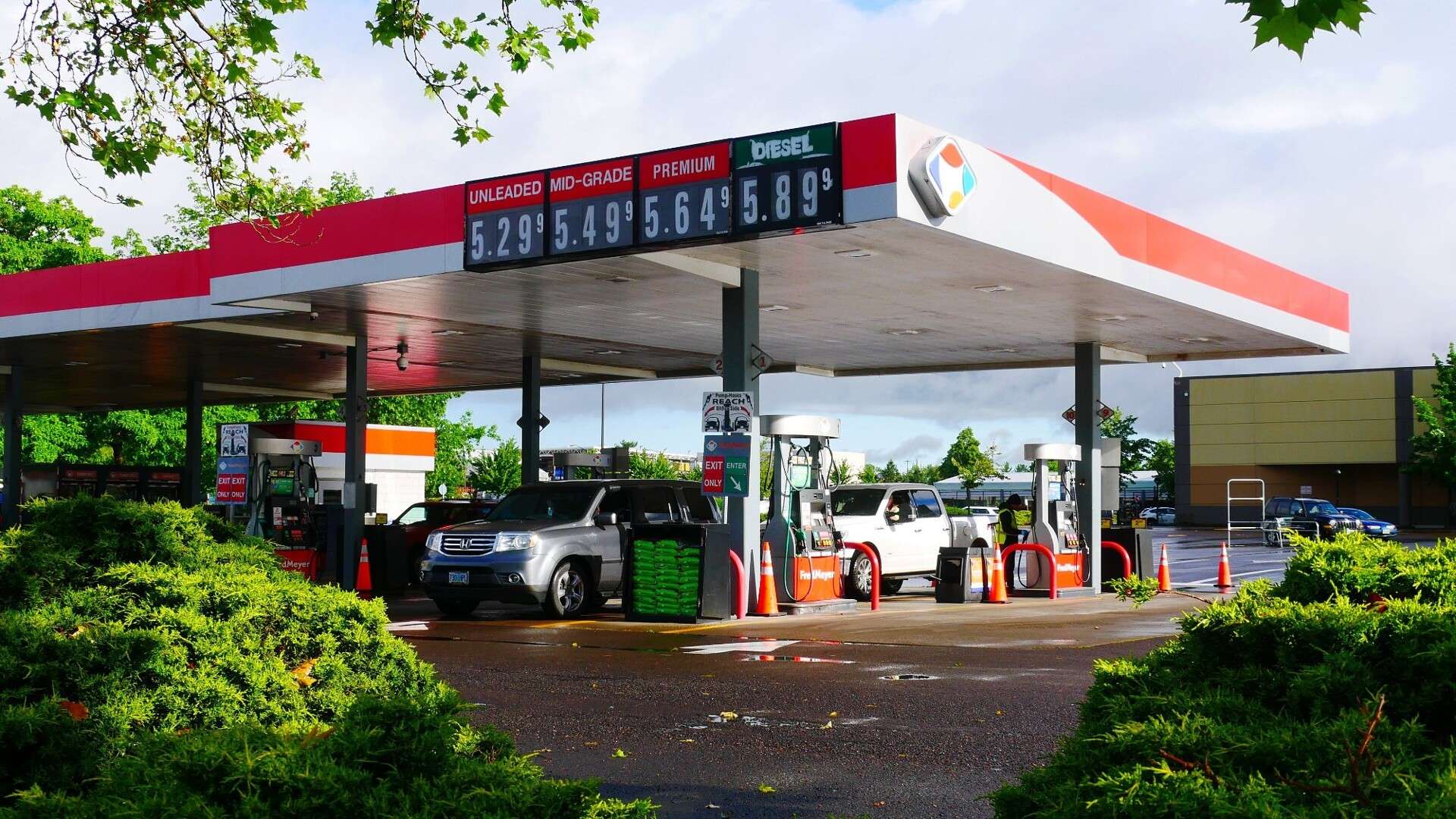
In the United States, the same oil shock arrived with less cushion. Regular gasoline averaged $4.354 a gallon in the week of Oct. 5, $1.23 more than a year earlier, according to the U.S. Energy Information Administration. Buyers who want out of that bill no longer get a federal tax credit for an electric car, and Washington has repealed the rules that pushed automakers to sell more of them. Buyers in China, Europe and Southeast Asia answered expensive fuel by buying fewer gas-only cars. Americans are mostly paying it at the pump.
Nikkei’s full report is behind a paywall. Its opening is public, and the detailed figures below come from accounts of the report published by South Korea’s Seoul Economic Daily and SBS. Mobility Global is the name S&P Global gave its mobility division on Feb. 3, ahead of a planned spin-off into a separate public company. Its portfolio includes CARFAX and Polk Automotive Solutions, so the firm that counted this shift is the same one that produces the vehicle history report a used-car dealer hands you.
China and Europe Led the Drop in Gasoline-Only Sales
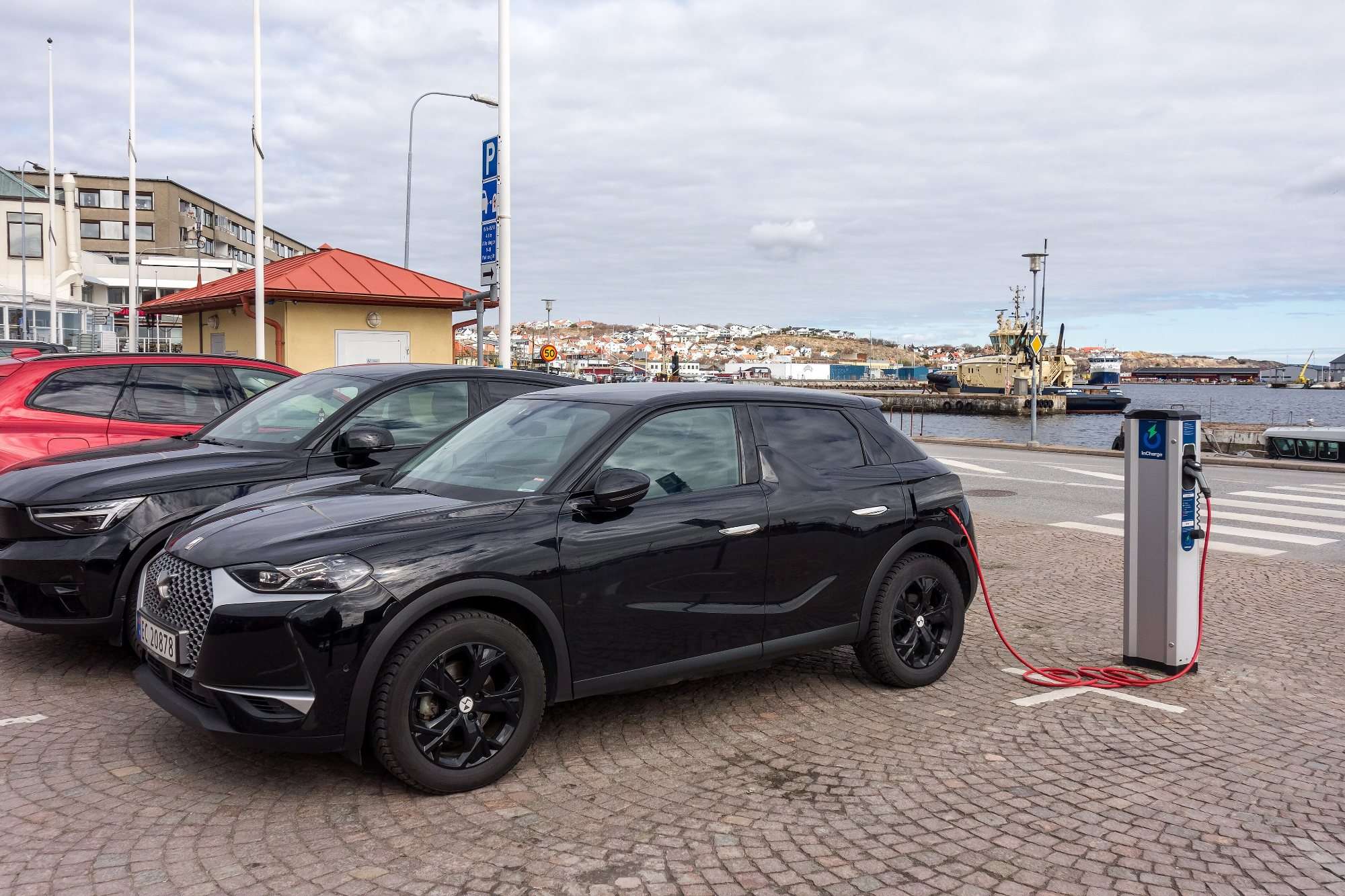
Gasoline-only sales fell 10% from the first half of 2025. The steepest declines came in China, down 26%, and Europe, down 13%, according to the accounts of the Mobility Global data. Battery-electric sales rose 12% worldwide to 6.87 million, or 17% of the market. Europe’s EV sales climbed 32% to 1.81 million, Southeast Asia’s rose 81% to 350,000, and Oceania’s grew 2.2-fold to 110,000.
China is the odd case. Its EV sales slipped 3% to 3.44 million as the government trimmed tax incentives, yet gasoline-only sales there fell by roughly a quarter. Beijing has other levers besides purchase subsidies, including a license-plate quota that rations permits for combustion cars.

The 49% counts drivetrains, not gallons. A conventional hybrid still fills up at the same pump, but it falls outside the gasoline-only column, and so do plug-in hybrids and diesels. Subtract gasoline-only models and full EVs from the total, and about a third of the world’s new vehicles in the first half were hybrids, plug-in hybrids, diesels or other types.
Yoshiaki Kawano, the Mobility Global analyst quoted in the coverage, said high oil prices have buyers reassessing what an EV costs to run, according to SBS. That is an English rendering of a Japanese report, so I have paraphrased it rather than quote it.
U.S. Drivers Face the Same Oil Shock Without a Federal EV Credit
The EIA’s Short-Term Energy Outlook, released Oct. 6, says U.S. gasoline averaged $4.35 a gallon in September and diesel averaged $6.29. The agency raised its forecast for Brent crude to an average of $105 a barrel in the fourth quarter, $14 above its September outlook. It assumes Middle East oil flows stay constrained through the end of the year, with tankers moving through the Strait of Hormuz in convoys, and it cites attacks on Saudi Arabia’s East-West pipeline as a source of continued volatility. Diesel, at $6.199 in the week of Oct. 5, was up $2.488 from a year earlier, which lands on every pickup owner with a diesel and every business that ships by truck.
The Auto Wire’s math for one household starts with the EPA’s Automotive Trends Report, which puts the average model year 2024 new vehicle at a record 27.2 mpg. Drive 15,000 miles a year in that car and you burn about 551 gallons. At $1.23 more per gallon than a year ago, that is roughly $678 more a year for fuel, for a driver who changed nothing.
A year ago, a buyer facing that bill could have claimed a federal credit of up to $7,500 on a new EV or up to $4,000 on a used one. The IRS says neither credit is allowed for any vehicle acquired after Sept. 30, 2025, under the budget law signed July 4, 2025. The cutoff is set by the date you acquire the car, not the date you file your return.
Cox Automotive’s EV Market Monitor counted 78,895 new EVs sold in the U.S. in August, down 46.9% from August 2025, which Cox says set a record for U.S. EV sales while the credit still had weeks to run. That was 5.7% of new-vehicle sales, a third of the global share in Mobility Global’s data. Nikkei’s figures put North American EV sales down 15% for the first half. Cox’s first-quarter report attributed the U.S. slide to the end of the federal credits. Ford has been filling the gap with hybrids, according to its third-quarter sales.
The sticker gap is real but narrower than the credit used to be. Cox put the average new EV transaction price at $54,754 in August, $4,847 or 9.7% more than Cox’s benchmark for combustion vehicles, even with automakers offering average EV incentives of $6,594. Used EVs are no longer the cheap exit they were: Cox’s average used-EV listing price rose 8.2% from a year earlier to $37,441. Cox chief economist Jeremy Robb said in a Sept. 24 forecast, “The market has consistently outperformed expectations despite higher fuel prices, elevated interest rates and softer consumer sentiment.” Americans are still buying cars at a strong clip. They are mostly buying ones that burn gasoline.
Washington Repealed the Rules That Pushed Automakers Toward EVs
The credit was one of two federal pushes. The other was the EPA’s greenhouse-gas limits for cars and trucks, which the EPA had expected automakers to meet in part by selling more EVs. The agency signed a final rule on Feb. 12, published in the Federal Register on Feb. 18, that rescinded its 2009 endangerment finding and repealed every greenhouse-gas emission standard for light-, medium- and heavy-duty vehicles. The EPA says the action will save Americans more than $1.3 trillion. With fewer EVs expected, the agency has since proposed delaying its next round of smog rules for gas cars.
The EPA’s savings case rests on cheaper vehicles at purchase. It was written for a market where, by the EIA’s figures, gasoline averaged $3.10 a gallon in 2025. The EIA now projects $3.91 for 2026. A rule that lowers what a car costs to build does nothing about what it costs to fuel. The federal response so far has been on the supply side: the EIA’s outlook counts 40 million barrels of crude in exchanges from the Strategic Petroleum Reserve announced Sept. 29. Drivers in Europe and Southeast Asia, facing the same crude prices, shifted toward vehicles that use less of it. American drivers were left with fewer reasons to do the same, and the $678 a year falls on them.
What the EIA Expects for Gas Prices, and What Buyers Can Check
The EIA expects gasoline to average just under $3.60 a gallon next year and Brent to fall to $84 a barrel. That forecast has been moving: in one month, the agency raised its 2027 gasoline estimate from $3.35 to $3.56. Its October outlook does not account for the G7 announcement on Oct. 2 that could add oil to the market. The next outlook comes Nov. 10. Mobility Global’s full-year count will show whether gasoline-only cars win back their majority if oil prices ease.
Anyone shopping now is choosing a drivetrain for the next decade on a fuel price nobody can promise. The annual fuel cost on a new car’s window sticker is calculated for 15,000 miles at the fuel price printed beside it, which may be well below what you paid last week, so rerun that figure at your local price before you compare a gas model with a hybrid or an EV. The federal credit is gone, but several states still offer their own, and the rules differ from state to state; The Auto Wire’s guide to state EV rebates lists what is left.
At $4.35 a gallon, has the math on your next car changed? Did losing the federal credit matter to you at all?