
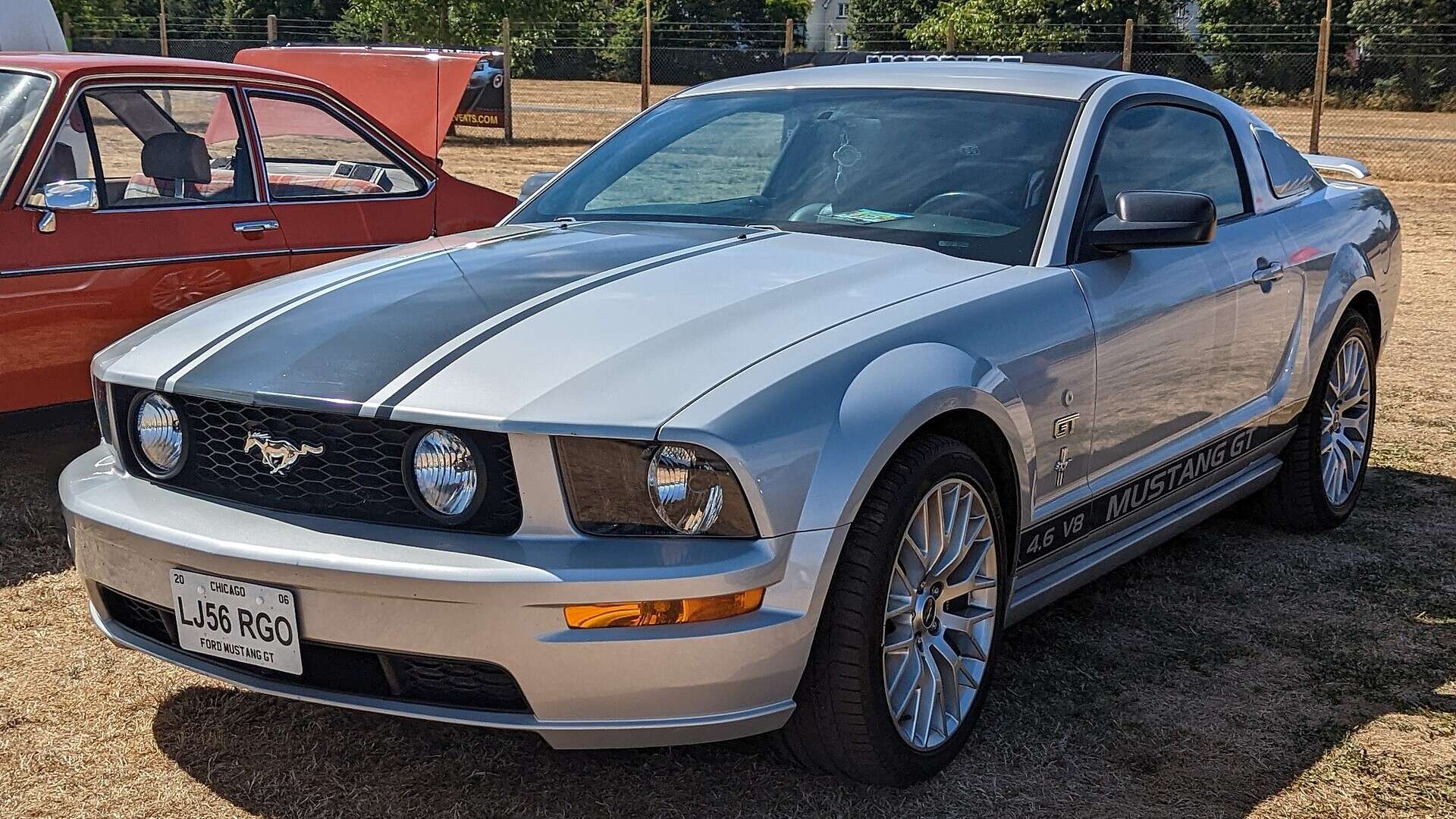
The $20,600 that finally reached two former Sunset Auto Sales customers in Wichita this summer did not come from Sunset Auto Sales. It came from the surety bond Kansas requires every used-car dealer to keep on file, and getting it paid took the Sedgwick County District Attorney’s Office more than 500 days, a lawsuit against the dealership and its manager, and a second push after the bonding company turned the claim down.
Both buyers got full refunds, and the dealership is out of business under the settlement. The route to that result shows how Kansas protects used-car buyers in practice: with a fixed pot of money, held by a surety company, that pays only after the state is satisfied the dealer broke the law.
A Mustang with no title, then no transmission
According to the district attorney’s office, a customer bought a 2006 Ford Mustang GT from Sunset in September 2024 as a gift for his daughter. He paid for the car, but the dealership never provided a title, so the family could not register it. He covered other repairs out of pocket. The dealership then charged him to replace the transmission, took the car, and neither replaced the transmission nor gave the car back.
“When the consumer asked for a refund, since he was left without a working vehicle or the paperwork needed to drive it legally, the dealership responded with promises to take corrective action but never corrected the issues,” the office said in a news release published by KSN.
A second customer later complained that the dealership’s manager made similar promises and did not keep them. After what the office described as multiple failed opportunities to make things right, Assistant District Attorney Chris Garcia sued the dealership and its manager. The case settled, and the business had to stop operating. The release did not name the manager, identify the statutes cited in the lawsuit, or mention any civil penalty, and The Auto Wire has not reviewed the court filing.
The refunds came through a claim on the dealer’s licensing bond, pursued through the Kansas Department of Revenue. “Although the bonding company initially denied the claim, the office worked with the Kansas Department of Revenue’s Dealer Licensing division to secure payment in full for both consumers,” the office said. District attorney’s investigator Jimmie Merrick handed the Mustang buyer a check for $10,600 on July 30, the Hutch Post reported, and the second customer received $10,000 by mail.
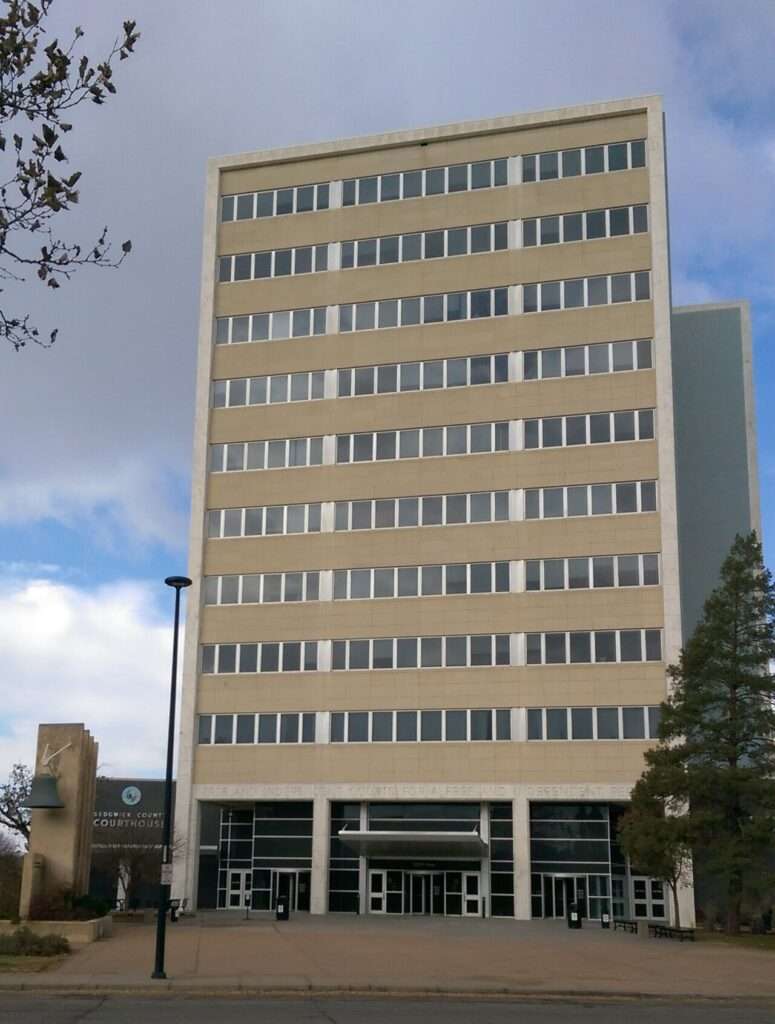

What the Kansas dealer bond covers
Under K.S.A. 8-2404(i), no one gets or keeps a new- or used-vehicle dealer license in Kansas without a $50,000 corporate surety bond, or an equal deposit of cash or securities with the state treasurer. The bond is written in the name of the State of Kansas for the benefit of any aggrieved retail or wholesale buyer or seller, and it covers losses caused by any act by the dealer that would be grounds to suspend or revoke its license. The bond form the Department of Revenue uses carries the same condition.
That condition reaches well past outright fraud. The grounds for license discipline in K.S.A. 8-2410 include “knowingly defrauding any retail buyer to the buyer’s damage,” and they also include “negligently failing to perform any written agreement with any buyer.” On the statute’s plain terms, a dealer who promises in writing to replace a transmission and doesn’t has given the buyer grounds for a bond claim, without anyone having to prove intent to cheat. That is The Auto Wire’s reading of the law; the release does not say which grounds the office relied on.
Collecting is a separate problem. The statute says bond proceeds are paid once the director of vehicles determines that a final judgment from a Kansas court resulted from a violation of the dealer licensing act, or from conduct that would justify discipline under it. A buyer with a complaint and a folder of receipts generally needs that judgment first. If the surety still refuses, the judgment creditor has to go back to court to enforce payment, and a court that finds the refusal wrongful must award attorney fees. For someone out $10,000 on a Mustang that was 18 years old when he bought it, that is a lot of procedure, and it goes a long way toward explaining why this took a prosecutor.
A $50,000 cap shared by every claimant
The bond is also a ceiling. “The aggregate liability of the surety for all breaches of the conditions of the bond in no event shall exceed the amount of such bond,” the statute says. The $20,600 paid to the two Sunset customers is 41.2% of the $50,000 the law requires. If five more buyers had come forward with $10,000 losses each, claims would have totaled $70,600, and $20,600 of that would have had no bond money behind it.
The surety can also leave. It may cancel with 30 days’ notice to the director of vehicles, after which it owes nothing for breaches that happen past the cancellation date. Failing to keep a required bond in force is itself grounds for suspension or revocation under 8-2410(a)(7), but a buyer who signs a deal before the state acts on a lapsed bond is relying on the paperwork catching up.
Lawmakers raised the bond from $30,000 in 2021
The cap used to be lower. The Kansas Division of Vehicles asked the Legislature to raise the dealer bond from $30,000 to $50,000, and in 2021 testimony to the Senate Transportation Committee, Lee Ann Phelps, the division’s vehicle services manager, said the $30,000 figure had been set in the 1980s and had not kept pace with vehicle prices. The increase passed as House Substitute for SB 99, which the governor signed on April 5, 2021. The statute’s history shows the higher bond in force as of Jan. 1, 2022, and the number has not moved since. Five unpaid $10,000 claims would use up all of it.
Kansas gives dealers 60 days, at most, to hand over a title
The first thing that went wrong in the Mustang sale is also the easiest for a buyer to catch. Under K.S.A. 8-135(c)(6), a seller holding the title has to sign it over and deliver it when the vehicle is delivered, or at a time the parties agree on, “not to exceed 60 days, inclusive of weekends and holidays.” That agreement has to be on a form provided by the Division of Vehicles. The buyer, for his part, has 60 days from the sale to apply for registration, and after that it is unlawful to drive the car on Kansas roads until it is registered.
Without the title, the buyer can’t register the car, and without registration he can’t legally drive it once those 60 days are up. A dealer still promising a title on day 61 has missed a deadline written into state law, which gives the buyer a documented complaint to take to the Division of Vehicles or a prosecutor.
Sedgwick County’s used-car cases keep ending at the bond
Sunset is the latest in a run of used-car cases from the same office. In December 2024, the district attorney announced a $394,197 default judgment against Kayode Ajibolade, owner of Carnation LLC, after investigators found 13 cars sold without disclosure that their airbags had deployed, including one in which the buyer found a simulator device that kept the airbag warning light off. The court ordered $2,000 in restitution for each of 12 consumers, $24,000 in all, and the office said that restitution was later paid by the dealership’s bonding company. The $390,000 in civil penalties was another matter: the November 2024 judgment made Ajibolade personally liable for the remaining balance and permanently barred him from selling cars in Kansas.
Eleven days later, the office reported that Jacobs Lucky, owner of 37 Auto Sales LLC on North Broadway, had been ordered jailed for six months for contempt after the dealership sold at least six cars while under a court order to stop. He and the business owed $110,000 in civil fines and penalties, and paying it in full was the condition for his release.
The Kansas Consumer Protection Act lets a district attorney seek civil penalties of up to $10,000 per violation, which makes a dealer’s conduct expensive on paper. In the Carnation and Sunset cases, the money that reached buyers came from the bond, the one part of the system funded before anything goes wrong. The Auto Wire covered the version of this story with no bond money left to reach: a Minnesota dealer who faked certified used cars and then told the state he was too broke to repay victims.
Before paying at a small Kansas lot
The practical lessons come straight out of the statutes. Ask to see the title before money changes hands. If the dealer can’t produce it, get the delivery date on the Division of Vehicles form the law requires, and treat 60 days as the outer limit. Get any repair promise in writing, since breaking a written agreement with a buyer is one of the listed grounds for discipline that the bond answers for. Complain early, to the district attorney’s Consumer Protection Division at 316-660-3600 in Sedgwick County or to the Kansas attorney general elsewhere, because a bond that has already paid out $50,000 has nothing left for the next buyer. Our used-car buying guide covers the rest of the paperwork.
The two Sunset customers got all their money back, which is the best result this system produces. It took a prosecutor, an investigator, a lawsuit, and the state’s dealer licensing staff to get a surety company to pay $20,600 against a bond the law says exists for that purpose. Buyers whose losses at a failed lot add up to more than $50,000, or who don’t have a district attorney’s office willing to take up their complaint, are on their own for the difference.
If you’ve ever waited on a title from a dealer, how did it end?