
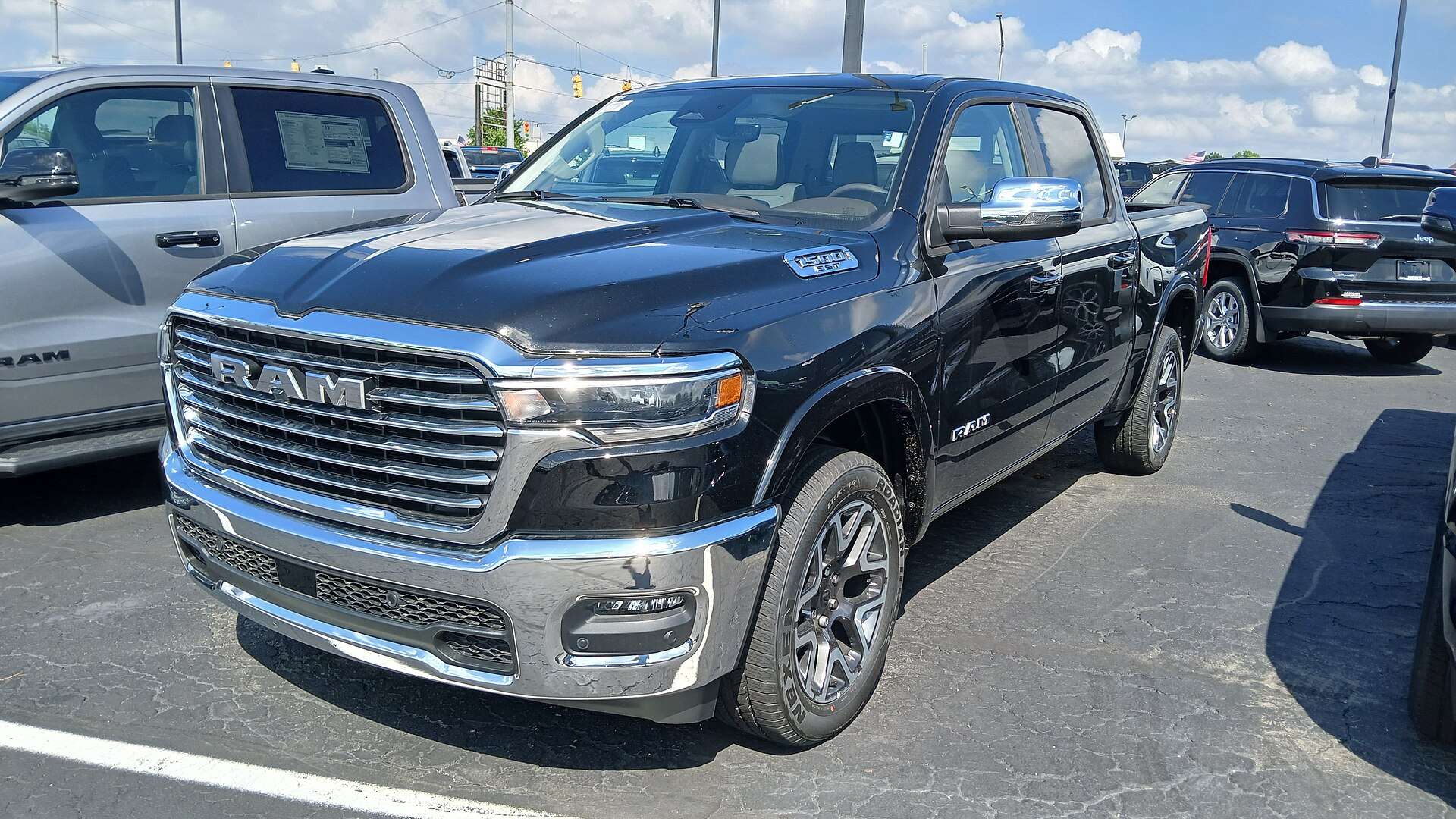
Russia’s Supreme Court has ordered the Interior Ministry to lift a registration ban on a Dodge Ram 1500 that Canada put on Interpol’s wanted list, and this week a State Duma committee in Moscow recommended a bill that would write the same outcome into the registration rules for cars wanted by what Russia calls “unfriendly” countries. The truck’s buyer lives in St. Petersburg. The owner in Canada, if there is one waiting, appears nowhere in either document trail.
What the Supreme Court decided about the Ram
The facts of the case come from The Insider’s report on the Supreme Court’s October 20 announcement, which I read in place of the ruling text; the court had not yet published the full decision. According to that report, the buyer purchased the pickup in Bishkek, Kyrgyzstan, in December 2023. Canada put the truck on the international wanted list in February 2024, over a theft it alleged took place on June 15, 2023. When the buyer tried to register it in Russia, traffic police refused. Russian authorities wrote to Canada asking for confirmation and details and, the report says, got no answer. An Interior Ministry examination found no sign the vehicle identification number had been altered.
Three lower courts sided with the buyer, reasoning that the theft was not confirmed and was only presumptive from Russia’s side. The Supreme Court’s civil panel modified those rulings. It did not order the truck removed from the wanted database. It ordered the registration ban lifted and the truck cleared for use, citing the need to protect Russian citizens who own vehicles wanted at the initiative of “unfriendly” countries. The Interior Ministry had argued that only the country that filed the notice can pull it, or the record can lapse when its retention period ends, which for this truck is June 18, 2028.
An Interpol notice belongs to the country that filed it. Russia cannot delete Canada’s record, so the choice left is what a Russian registry does while the record stays live. Until now the answer was nothing: no plates.
The Duma bill, and who it leaves waiting
Kommersant reported that the Duma’s transport committee recommended the Interior Ministry’s bill for first reading. The ministry drafted it in February, the paper said, on Vladimir Putin’s instruction. Under it, the ministry would set special rules for registering cars wanted through Interpol at the request of police in unfriendly countries. According to Lenta.ru’s account of the hearing, the country that requested the listing would be notified, later buyers would see a mark in the car’s papers, and the registration would be cancelled if the foreign state confirmed the wanted status of a car already registered.
Deputy Interior Minister Igor Zubov, who presented the bill, called it a temporary measure and said such cars had sat for years at police lots. He pointed to vehicles from annexed Ukrainian regions that Ukraine had listed through Interpol. The ministry’s count is about 1,500 cars found in Russia since 2022 that were wanted at foreign countries’ initiative.
The cancellation clause depends on an answer from the other side. Kommersant reported that the reasons behind a listing are usually impossible to establish because foreign states rarely answer the ministry’s requests, which is the same silence from Canada described in the Ram case. A car can therefore be registered on the strength of a question nobody replies to, and the registration ends only when someone replies. Nothing in the reports I reviewed says what the original owner, or the insurer that paid the claim, gets in the meantime.
4,798 Canadian reports, and a truck that fits the pattern
The Ram sits squarely in what Canadian police say is being taken. The New York Times, in a piece republished by The Boston Globe, reported Interpol figures showing 4,798 reports of Canadian-stolen vehicles found in Russia between February 2024 and July 2026, and said the RCMP names Russia the top international destination for Canadian cars reported to Interpol. Renato Schipani, who oversees Interpol’s stolen-vehicle database, told the Times the cars are “stolen to order.” The paper listed Ram, Toyota Tundra and Ford F-150 pickups among the models in demand.
The 1,500 and the 4,798 count different things. The first is the Interior Ministry’s tally of foreign-wanted cars its own officers found; the second is Interpol reports tied to Canada alone. Neither says how many of those vehicles ended up with Russian plates. The database behind both holds more than 12 million records, and about 226,000 vehicles were identified as stolen through it worldwide in 2023, according to a Public Safety Canada release. The same release said the Canada Border Services Agency stopped more than 2,100 stolen vehicles at railyards and ports in 2024. The Auto Wire covered the demand side earlier this year, when Russia posted a record car-import month, and the U.S. side of the pipeline when customs officers in Elizabeth, N.J., reported a record 603 stolen vehicles stopped before export.

What the vote changes for a stolen truck
If the bill passes, a stolen-vehicle flag that used to be a wall becomes a footnote on a Russian registration. Russia’s buyers get plates and a resale warning. The people who reported the theft get a notice, and nothing in the bill as described gives them the vehicle back. The Supreme Court has already shown how it will treat a Canadian record that goes unanswered: as presumptive.
The reports do not give a date for the first reading. For a Canadian or American owner whose truck turns up in a Russian database, the next documents to watch are the bill’s text once the Duma posts it, and the Interior Ministry order that would set the “special features” of registration.
If you buy a truck in good faith and it turns out to be on another country’s stolen list, whose loss is that? The buyer’s, or the owner who never got it back?