
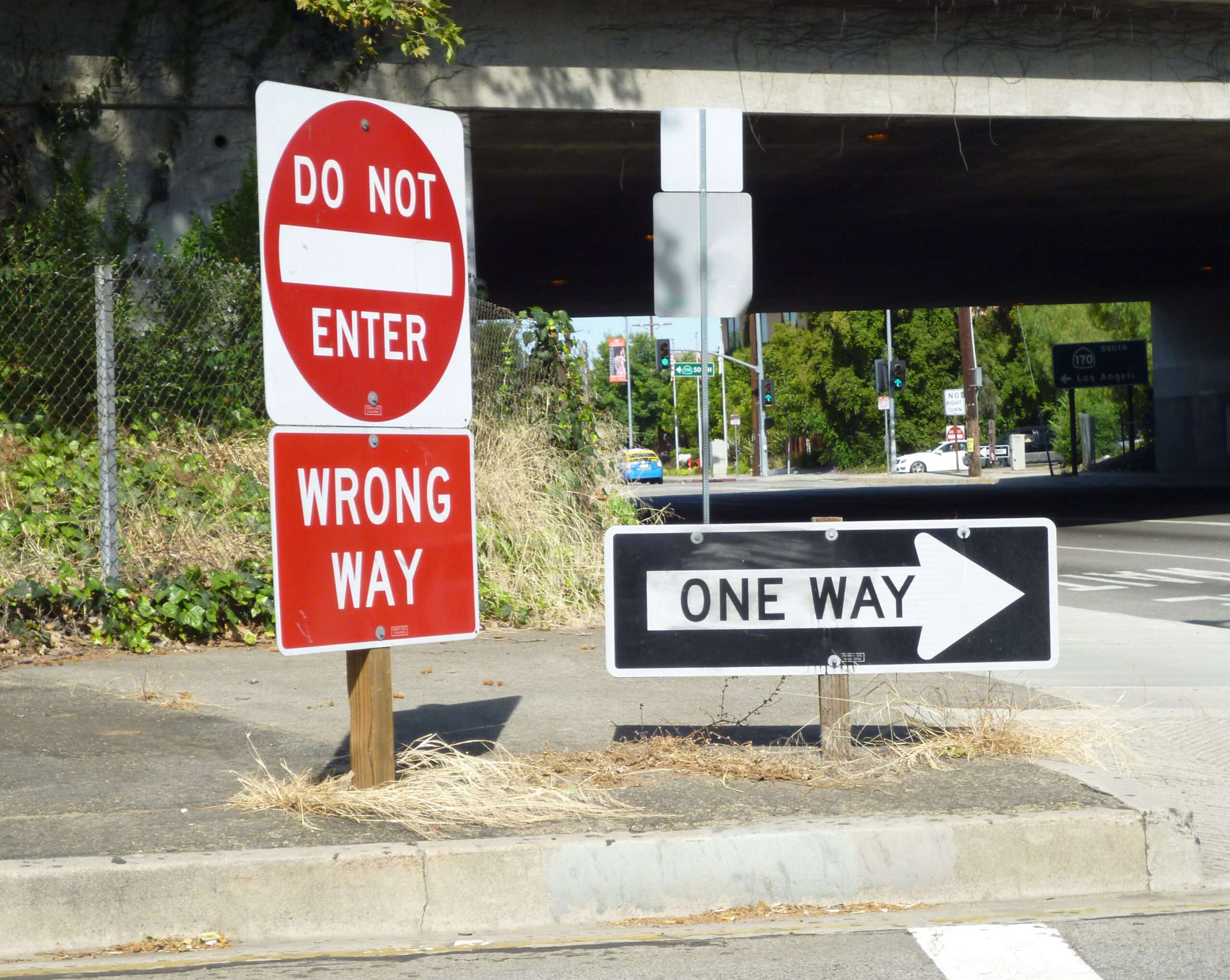
A 30-year-old Milwaukee woman, Tequila Williams, is charged with second-offense operating while under the influence and a felony count of second-degree recklessly endangering safety after Milwaukee County sheriff’s deputies said she drove the wrong way on I-41/US-45 at Good Hope Road on Oct. 17. Deputies found an open bottle of Don Julio tequila in the glove box before the car was towed, according to the criminal complaint as reported by FOX6 Milwaukee. The charges are allegations, and no plea or defense statement has been reported.
A Deputy Had to Drive Around Her Car in the Median
The complaint says a deputy responding to a wrong-way driver report saw Williams’ vehicle in the center median breakdown lane, heading southbound in the northbound lanes, and had to drive around it to avoid a collision. Williams told deputies she had merged onto the wrong side and was trying to find a lane to exit. Asked whether she had been drinking, she answered “a little bit” and said her last drink was about an hour earlier, FOX6 reported.
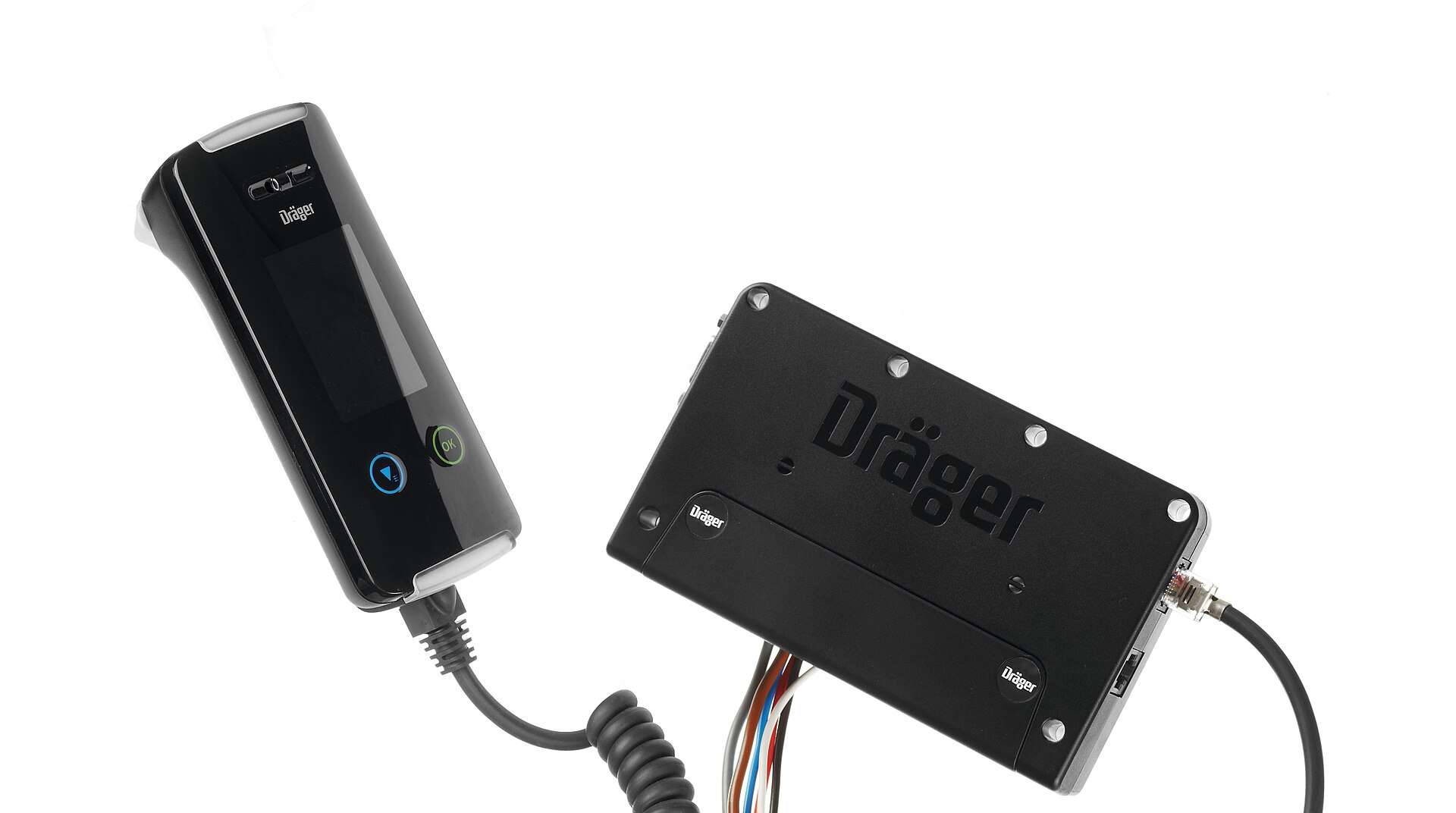
Deputies reported signs of impairment on the walk-and-turn and one-leg-stand tests. She refused the preliminary breath test and the chemical test, so deputies obtained a warrant and her blood was drawn at a local hospital. Results were still pending in FOX6’s Oct. 23 update, and her initial appearance was set for Oct. 22. The complaint, as reported, does not say when her earlier OWI occurred.
Refusing the Test Added a Revocation Instead of Ending the Evidence
Wisconsin’s penalty for refusing a chemical test runs on its own track, separate from the criminal case. The Legislative Fiscal Bureau’s informational paper on intoxicated driver laws says a first refusal revocation lasts one year, triggers an alcohol assessment and an ignition interlock order, and counts as a prior offense for sentencing on later OWI convictions even if the driver is acquitted. Refusal also did not keep the blood result out of reach here: the warrant let deputies take a sample without her consent, so prosecutors still expect a number, and the refusal is a further consequence on top of it.
Why a Bottle in the Glove Box Is Not the Same as One in the Trunk
Under Wis. Stat. 346.935(3), the owner of a vehicle, or the driver if the owner is not present, may not keep an opened alcohol container in the vehicle on a highway. The exception is the trunk, or in a vehicle without one, an area the driver and passengers do not normally occupy. The statute says glove and utility compartments count as areas the driver and passengers do occupy. A container is “opened” if its seal is broken or some of the contents have been removed. FOX6 listed two charges, OWI and recklessly endangering safety, and an open-container count was not among them, so the Don Julio bottle appears in the complaint as evidence.
What a Second Offense and a Felony Cost in Wisconsin
A first basic OWI in Wisconsin is a civil forfeiture of $150 to $300 with no jail, according to the Legislative Fiscal Bureau. A second offense is criminal: a fine of $350 to $1,100, five days to six months in jail, and a revocation of one year to 18 months, with the court required to order an ignition interlock restriction of at least one year. The Wisconsin DOT penalty chart lists the same ranges. Those figures assume the prior offense falls inside the 10-year lookback; an older prior counts as a first offense.
The felony is separate from the OWI. Second-degree recklessly endangering safety, under Wis. Stat. 941.30(2), is a Class G felony, which carries up to 10 years in prison and a $25,000 fine under 939.50. As FOX6 reported the complaint, the conduct behind that count is the wrong-way driving and the deputy having to go around her car to avoid a collision.
What Happens Next
The blood result is the number to watch, along with whatever plea Williams enters on the OWI and felony counts. The Auto Wire has covered other wrong-way cases, including an Arizona driver on I-40 near Winslow and an Indianapolis officer with a 2018 OWI conviction accused of drunk driving in a marked cruiser. In Wisconsin, a first arrest carries a civil forfeiture, and a second brings the criminal penalties above, so the prior offense in this complaint carries much of the weight.
Should a first drunk-driving offense in Wisconsin stay a civil ticket, or should it be a criminal charge from the start?