
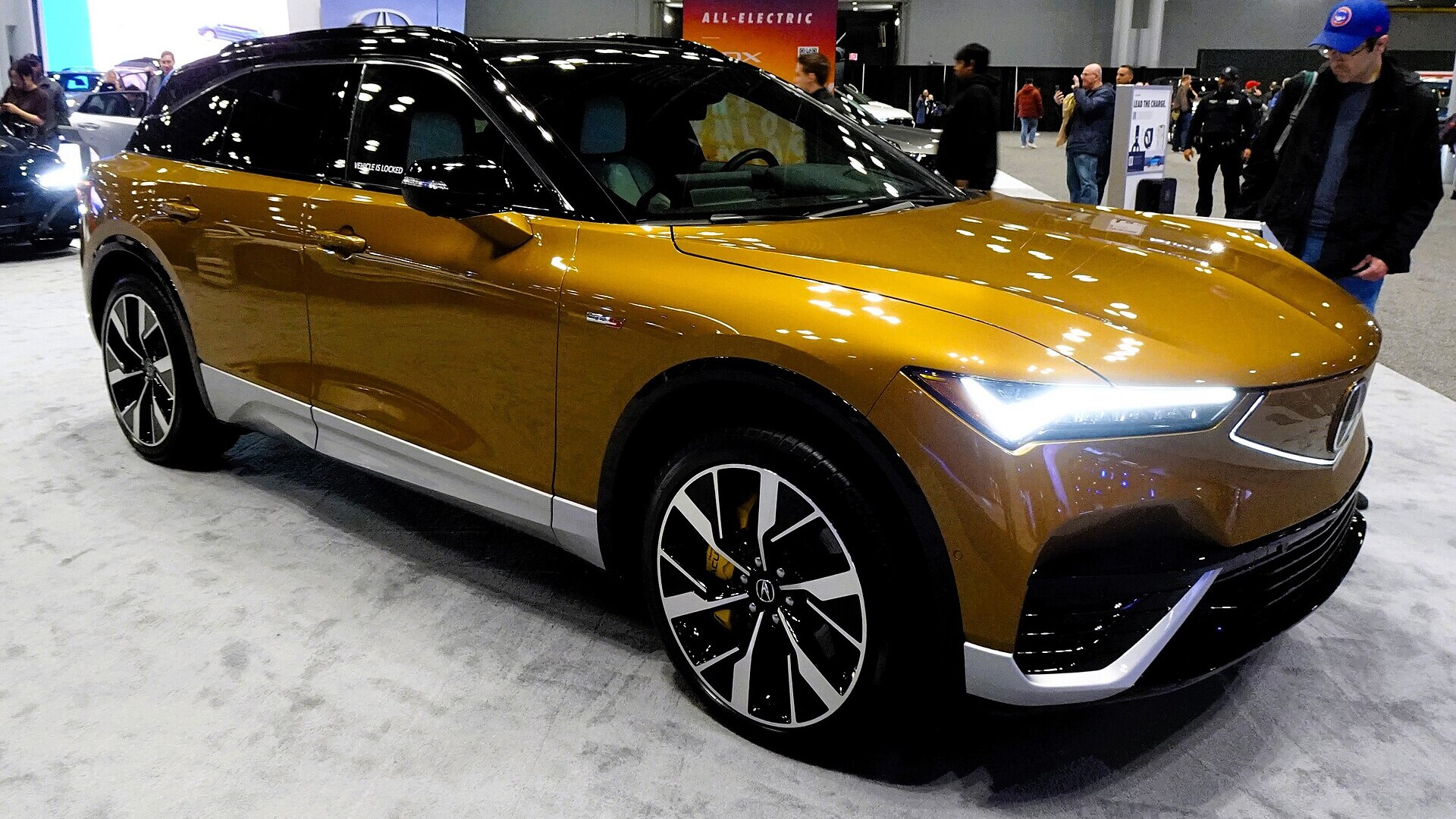
Acura is recalling 14,648 2024 ZDX electric SUVs with all-wheel drive because a software error can make the anti-lock brakes activate unprompted and release brake pressure, a fault Honda traced in 2024 to a module from GM, which recently recalled 67,380 Cadillac and Chevrolet EVs over brake software of its own.
It is the second ZDX recall in two years to describe that fault. NHTSA’s listing for the new campaign, 26V735, says it expands 24V614, which Honda reported to the agency on Aug. 15, 2024. That first recall covered 4,174 vehicles, according to Honda’s Part 573 safety recall report. The new one covers 14,648, about 3.5 times as many. NHTSA’s public summary doesn’t say why the number grew or whether the original 4,174 are counted inside the new total.
What Honda told NHTSA about the fault in 2024
The 2024 filing describes the problem at parking-lot and neighborhood speeds. During certain braking events below 25 mph on dry pavement, Honda wrote, the ABS can become overly sensitive. If it falsely activates and a specific sequence of wheel movements follows, it keeps releasing brake pressure. ABS is built to release pressure briefly so a wheel doesn’t lock; the defect is that it does so when no wheel is slipping. The cause, per the filing, was software in the electronic brake control module, supplied by General Motors.
The chronology in that report shows how the ZDX got pulled in. GM told Honda about the issue on July 29, 2024. On Aug. 8, GM filed its own recall for 21,469 Cadillac LYRIQ vehicles, campaign 24V-589, and Honda decided the same day to recall the ZDX. Honda said it had no warranty claims, field reports, crashes or injuries tied to the problem, and estimated that 1 percent of the vehicles had the defect. The dealer memo, dated Aug. 16, 2024, made it a stop-sale and warned that brake force could be reduced or lost without any warning to the driver.
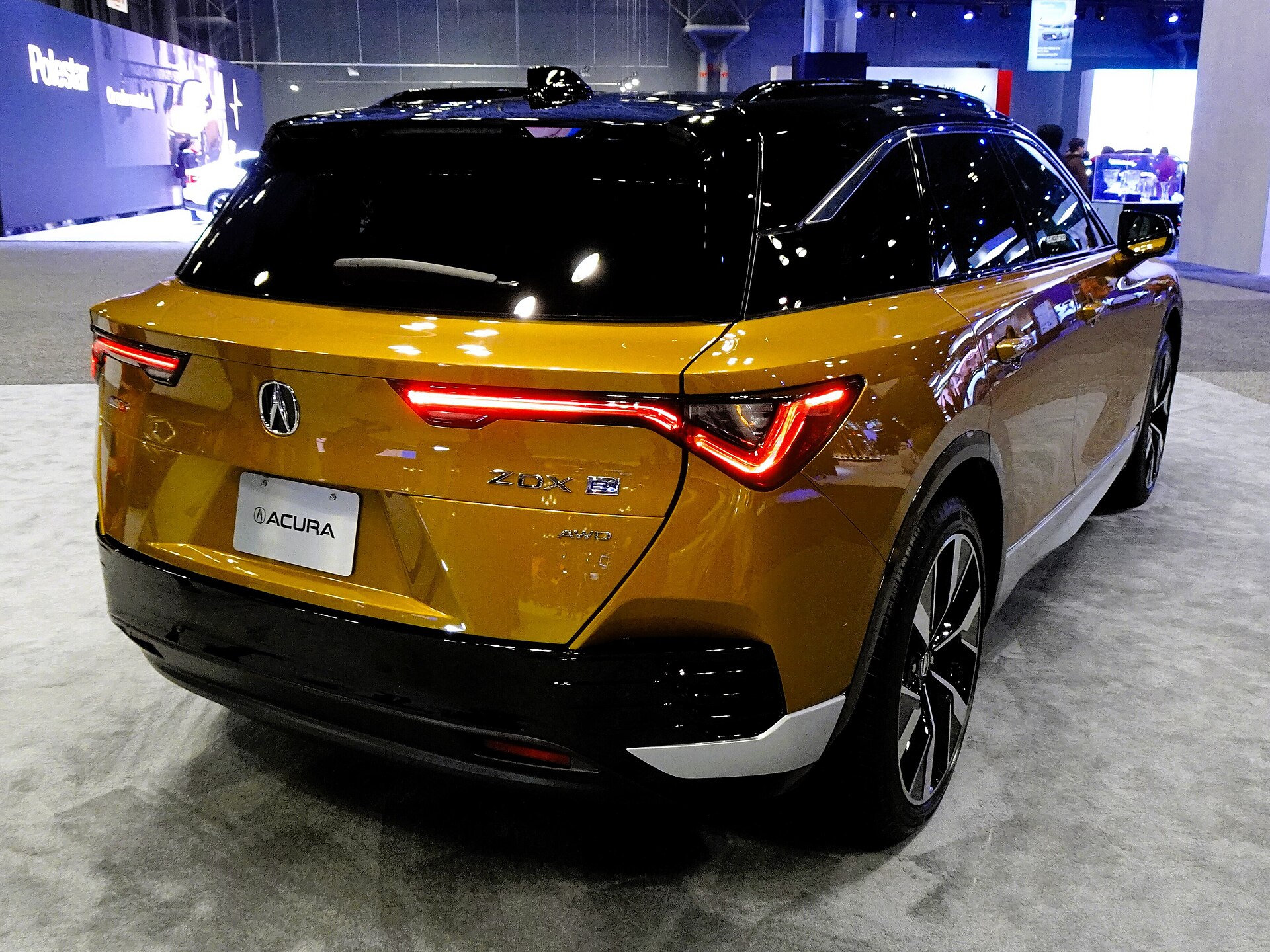
How the fix reaches owners, and when
Under the new recall, the brake module software will be updated over the air or by a dealer, free of charge, and NHTSA’s listing says owner letters are expected to be mailed Dec. 14, 2026. That is 39 days after Honda’s Nov. 5 report. The 2024 letters went out Sept. 23, 2024, also 39 days after the Aug. 15 report. NHTSA’s recall page says manufacturers must notify registered owners by first-class mail within 60 days of notifying the agency, so a month-plus gap between the public filing and the mailbox is normal. The same page says VIN searches may not yet show recently announced recalls, because not every affected VIN has been loaded.
“Over the air” has a condition attached. The 2024 dealer memo said only owners who had accepted the applicable terms could receive the update that way; vehicles that couldn’t take it needed a dealer visit with Honda’s Techline Connect diagnostic software and an MDI2 interface. I haven’t seen whether the new recall carries the same requirement. NHTSA’s listing for it does not include a do-not-drive instruction.
Open recalls on a used ZDX
A 2024 ZDX that changes hands now is a used car, and that matters here. Federal law bars dealers from selling or leasing a new vehicle with an open recall under 49 U.S.C. 30120(i), but that prohibition covers new vehicles only, and what applies to used cars varies by state.
Owners with questions can call Acura customer service at 1-800-382-2238 and give Acura’s number for the recall, CQC, as listed by NHTSA. What stays open is the question the filings don’t answer: why a recall that was supposed to correct the ZDX’s brake module in 2024 now needs a second campaign covering more than three times as many vehicles.
Should an automaker be allowed to make owners accept terms before a safety recall update arrives over the air, or should a recall fix install automatically on every affected car?