
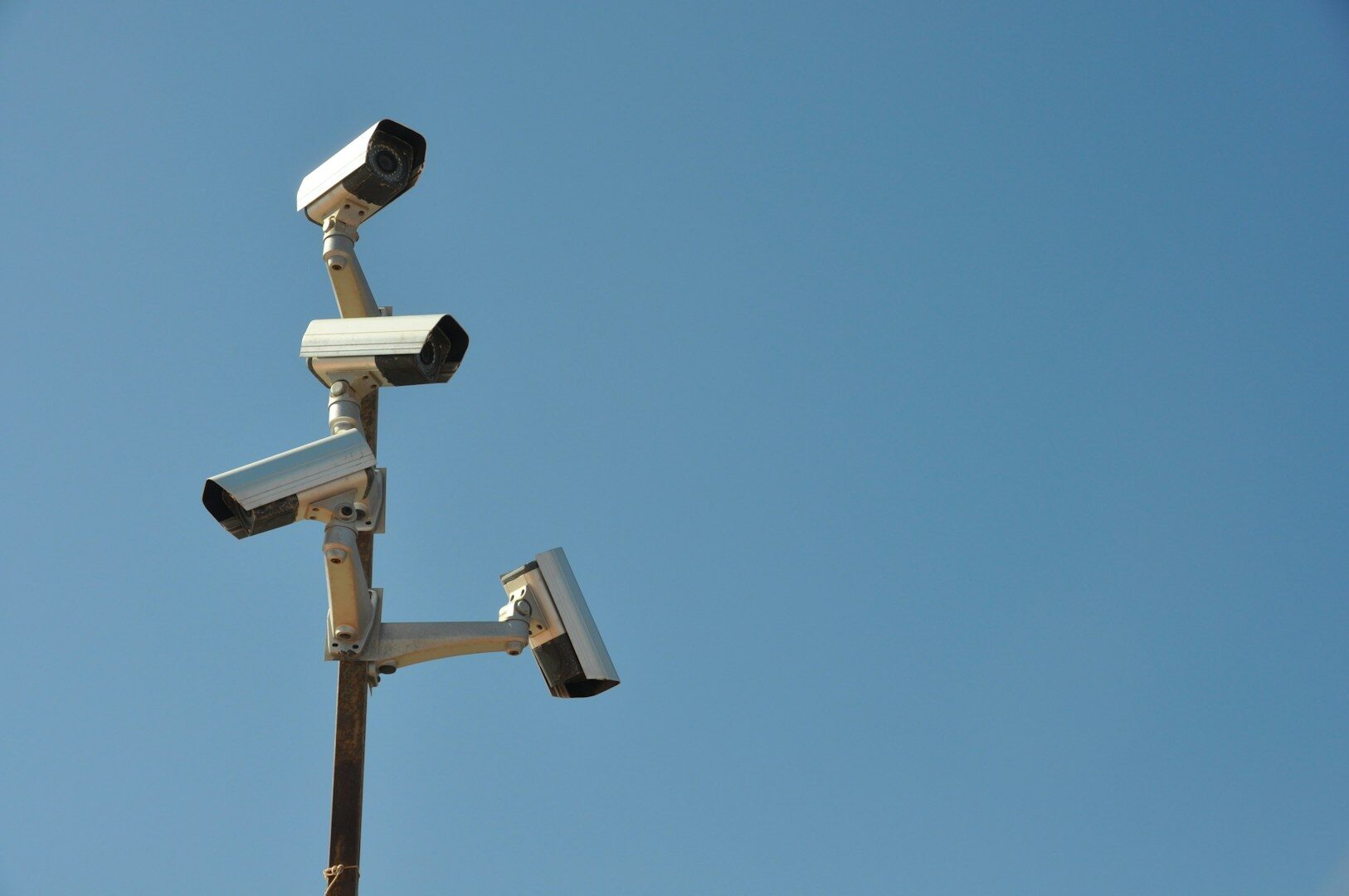
Flock Safety wants credit for backing off something creepy. Fair enough. It earned some. The company has ended a pilot feature called Distress Detection, which used its network of gunshot-sensing microphones to listen for human screaming. Seven months of pressure from privacy advocates did the trick. The Electronic Frontier Foundation, which had been sounding the alarm since October, celebrated the reversal as a rare win against a surveillance company.
Good riddance is right. But if your car spends any time in one of the thousands of towns where Flock’s hardware hangs from utility poles, don’t relax yet. The microphones were never really the point. They were an add-on feature bolted to hardware that was already doing something bigger, quieter, and far more permanent: photographing every license plate that rolls past, sorting the plates into a searchable database, and handing that data to whoever has login credentials.
That’s the story hiding under this news. Flock didn’t retreat from surveillance. It retreated from the one piece of surveillance loud enough that people finally noticed all the rest.
What Got Killed, and Why Now
In October 2025, EFF flagged that Flock was quietly rolling out Distress Detection through its acoustic gunshot sensors, formerly branded Flock Raven and now called Audio Detection. Marketing for the feature originally advertised that it would search for “screaming.” After EFF’s initial pushback, Flock edited that language on its own site to the softer word “distress.”
On July 10, 2026, Flock’s chief product officer published a post titled “How Flock’s Audio Detection Works, and the Concerns We Hear Most.” Buried in it was the actual news: the human-voice pilot, which the company says was only ever tested with “a small number of customers,” was being shut down after “careful consideration and community consultation.”
That is a company managing a public-relations problem, not a company having a change of heart about acoustic surveillance. The underlying sensors, the ones mounted on poles in neighborhoods across the country, are staying right where they are.
The Detail Nobody’s Talking About: These Mics Are Listening For Your Car
Here’s the part that should interest anyone who owns, modifies, or just enjoys a car. Flock’s own explanation of how Audio Detection works lists the “qualifying events” its sensors are trained to recognize: gunshots, fireworks, vehicle crashes, tires screeching, and car sideshows.
Read that list again. A street takeover, a group of enthusiasts doing donuts in a parking lot, or even an aggressive downshift with a loud exhaust isn’t just annoying to a neighbor anymore. In a growing number of cities, it’s the exact acoustic signature a corporate sensor network is built to flag and forward to police. The gunfire-detection pitch is what sold city councils on these poles. Car culture, it turns out, was written into the spec sheet from the start.
One Loud Noise, and Every Nearby Plate Gets Pulled
The second detail is bigger. Flock’s blog directly answers a question critics have been asking: does a confirmed audio alert trigger a search of nearby vehicles? The company’s answer is yes, with a caveat. A confirmed event can surface the vehicles seen entering or leaving the area around the time of the sound, using nearby Flock license plate reader cameras, the post states, adding that a human still decides what happens next.
Sit with that for a second. A crash, a firework, or a gunshot near your route can automatically generate a photographic lineup of every car that happened to be nearby, pulled straight from Flock’s separate license plate reader network, without a 911 call, a witness, or a warrant. The audio sensor doesn’t just listen. It hands the camera network a timestamp and a location, and the camera network does what it was always built to do.
Why the Microphone Had a Legal Problem the Camera Never Had
This is the detail that explains why Flock actually folded. EFF didn’t just argue that Distress Detection was creepy. It argued that recording ambient human speech, even in short clips, runs headlong into state eavesdropping and wiretap statutes that require consent to capture a conversation. That’s a genuine legal exposure, not just a branding headache.
License plate cameras have never carried that same risk, and a recent Supreme Court decision explains why. In Chatrie v. United States, the Court drew a hard line between comprehensive digital tracking, like Google’s Location History, and technology that only captures discrete observations of vehicles on public roads. Courts have repeatedly held that drivers have no reasonable expectation of privacy for a plate they’re required by law to display in public. A microphone that might catch your voice sits on the wrong side of that line. A camera photographing your plate on a public street sits comfortably on the right side of it.
That legal asymmetry is the whole reason this story ends with dead microphones and a thriving camera network instead of the other way around.
The Playbook: Add Quietly, Retreat Loudly
None of this is new for Flock. The company began as a doorbell-camera-adjacent product for homeowners’ associations worried about “suspicious vehicles.” It grew into a nationwide law enforcement network by leveraging the same installed base of cameras, then layered acoustic gunshot sensors onto that same pole hardware, then quietly piloted human voice detection on top of that. Each expansion rode in on infrastructure the public had already approved for a narrower purpose.
The Auto Wire has tracked what that expanding network actually produces on the ground: misreads that send officers to the wrong car at gunpoint, and cases of officers allegedly running plates to track people they were personally interested in rather than investigating crimes. A Fourth Circuit case now moving through the courts, fueled partly by the Supreme Court’s own reasoning on digital tracking, could still reshape how much of this network is allowed to operate without a warrant.
Distress Detection was the one feature exposed enough, and legally shaky enough, to get killed in public. The plate-reading backbone underneath it has survived a lot worse than a bad EFF blog post, and it isn’t going anywhere.
What to Remember
The microphones needed to hear you to work, and that is what made them vulnerable. The cameras only need your car to exist, and that is what makes them durable. Flock didn’t lose an argument about surveillance this month. It figured out which piece of its surveillance network the public would actually tolerate, and quietly kept building the rest.