
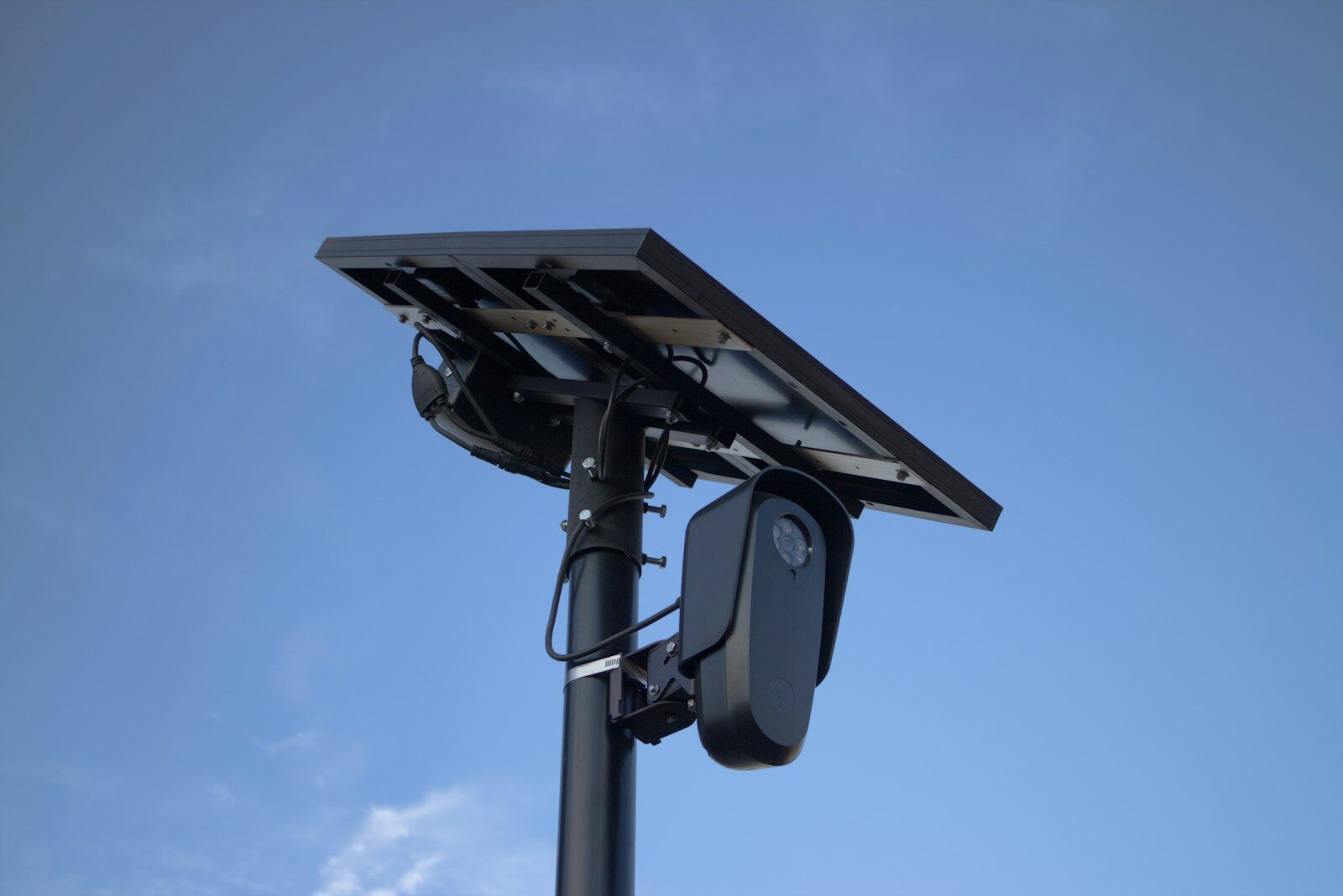
Heidi Taylor didn’t have to hack anything. She didn’t need a stolen login, a borrowed badge number, or a friend on patrol willing to run a plate for her off the books. As the 911 director for the Dallas Police Department in Paulding County, Georgia, she was the person other people in that building went to when the license plate reader system needed fixing. That distinction — administrator, not patrol officer — is what makes her arrest this week worth a second look, and it’s why the “corrupt cop” framing everyone will reach for actually undersells the story.
On Wednesday, the Georgia Bureau of Investigation booked Taylor, 52, into the Paulding County Jail on two misdemeanor counts of misuse of a license plate reader system. According to the GBI, Dallas police asked state investigators in July to look into whether someone inside the department had been running the agency’s Flock Safety camera network for reasons that had nothing to do with police work, sometime between 2024 and 2025. Preliminary findings, the GBI says, back that up. The case now heads to the Paulding Judicial Circuit District Attorney’s Office for prosecution. Investigators haven’t said who Taylor allegedly looked up, or why, and that’s almost beside the point.
Here’s the detail that should actually bother you: under Georgia Code 35-1-22, running an unauthorized search on a license plate database is classified as a “misdemeanor of a high and aggravated nature.” Translated out of legalese, that caps out at a $5,000 fine and 12 months in county lockup, the same penalty tier as a bar fight or a first DUI. Compare that to what it would take, legally, to gather the same information the old-fashioned way. Slap a GPS tracker under someone’s bumper without consent and you’re not looking at a misdemeanor; most states treat it as felony-adjacent stalking, and federal courts have held for more than a decade that police themselves need a warrant to do it. Flock’s system delivers a more complete, more searchable, more permanent version of that same location history — plate, timestamp, vehicle description, direction of travel — and the only thing standing between an employee and someone else’s movements is a dropdown menu asking her to type in a reason.
That’s not a design flaw so much as a design choice. Flock’s cloud platform requires individual logins and asks officers to attach a case number or justification to every search, and it keeps an audit trail of who looked up what. On paper, that sounds like accountability. In practice, it means the system trusts the person doing the looking and catches abuse only when somebody else goes back and reads the logs afterward, sometimes a year or more later, and usually only because a supervisor, a spouse, or an internal-affairs unit went looking for a reason to check. Nothing in the software itself stops a 911 director with legitimate systems access from typing in any plate that crosses her mind.
Georgia isn’t an unlucky outlier here so much as a preview. The state has roughly 7,046 Flock cameras, third-most of any state behind California and Florida, feeding into a company network that spans more than 5,000 law enforcement agencies, 6,000 communities, and 49 states, and that priced itself at an $8.4 billion valuation this spring. Flock doesn’t really sell cameras. It sells a subscription to a search engine for cars, and subscription businesses grow by getting more customers onto the same network. Every additional department that joins makes the system more useful for every department already on it, which is exactly why cross-jurisdiction data sharing keeps showing up in these stories: California regulators sued one city last year for funneling plate data to more than 100 out-of-state agencies. Georgia’s 30-month retention limit, and Flock’s own 30-day default, are contractual choices, not physical ones. The same audit gaps that let one employee query anyone she wants have also let misidentified plates trigger false stops, so the risk here isn’t only that someone misuses the system on purpose.
Flock has spent the past year publicly insisting its cameras “don’t track people,” that they only capture fixed points in time. Its own training webinars tell a different story to the officers actually using the tool, walking them through how to “track that vehicle from location to location to location” and, in one case, follow a suspect’s plate across a state line. You don’t need to take the company’s marketing department’s word over its own trainers’ to guess which version describes what the software was actually built to do.
Taylor is at least the tenth Georgia law enforcement employee this year to be fired, disciplined, or arrested over Flock misuse, a run that has included a rideshare surveillance pitch the company later shelved, six Savannah-area employees benched over unauthorized searches, and a national pattern the Institute for Justice has tied specifically to officers tracking romantic partners and exes. We’ve been keeping a running tally of these cases, because the pattern, not any single arrest, is the story. Georgia isn’t dirtier than every other state running these networks. It’s one of the only ones that audits its logs often enough to catch this at all.
Taylor’s arrest will get filed away as one more local corruption story, a name most readers forget within a week. What shouldn’t get forgotten is what her job title tells you: misuse of a plate-reader network isn’t confined to the patrol officer with a crush and a squad-car laptop. It reaches the people who run the system, audit the system, and train everyone else on how to use it responsibly. A wiretap needs a judge’s signature. A GPS tracker needs a warrant. A license plate camera, it turns out, just needs a login — and until that changes, every arrest like this one is less a scandal than a data point.