
Tesla just told Chinese regulators it will fix nearly five million cars without a single technician touching a single vehicle. That sentence says more about how recalls work now than anything else in this story.
China’s State Administration for Market Regulation disclosed Friday that Tesla will recall 2.98 million China-made and imported Model 3, Model Y, Model S, and Model X vehicles starting Sept. 25, plus another 2.74 million Model 3 and Model Y units for a separate software fix. Combined, regulators are describing it as Tesla’s largest recall in China yet, though the total likely reflects heavy overlap between the two VIN pools rather than two fully distinct groups of cars.
Here’s the detail worth sitting with: neither fix involves a wrench. Both campaigns ship entirely over the air. Nobody drives to a service center. Nobody waits on a backordered part. Tesla pushes new code to cars sitting in driveways and garages, and as far as the paperwork is concerned, the recall is closed.
That’s not a loophole. That’s the entire point.
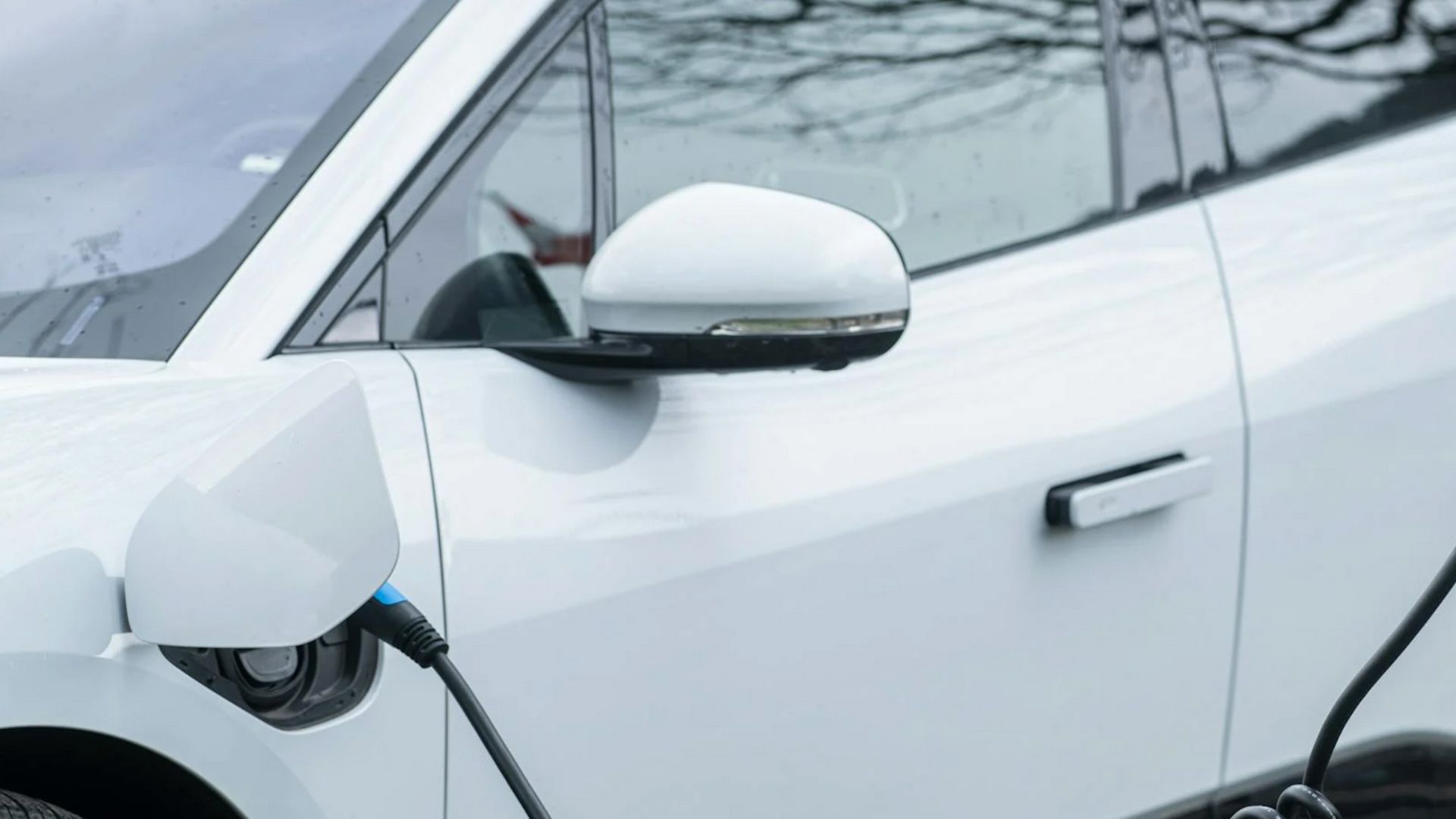
The larger of the two campaigns addresses something Tesla has sold as futuristic design for more than a decade: flush, largely electronic door handles. Chinese regulators say that after a severe crash disables the electrical system, occupants and rescuers may struggle to find or operate the emergency release in time. Tesla’s remedy is a warning label plus a software update that automatically lowers the windows once the car detects a serious collision, giving people an exit that doesn’t depend on a handle working at all.
Notice what’s missing from that remedy: an actual new door handle.
This isn’t a concern regulators invented from nothing. Tesla is currently the subject of a federal door-handle investigation in the United States and multiple wrongful-death lawsuits, including one filed over a fatal crash near Tacoma, Washington, and another tied to a fiery Cybertruck crash, all alleging that occupants or would-be rescuers couldn’t get doors open because the electronic release failed and the mechanical backup was hidden, unmarked, or simply too hard to find under stress. Those are unproven allegations in active litigation. But they describe precisely the failure mode China is now legislating against: a handle that needs electricity, and seconds that run out before anyone finds the manual override.
China’s Ministry of Industry and Information Technology has already ruled on this exact question, for the whole industry, not just Tesla. Starting Jan. 1, 2027, new vehicle approvals must include visible, mechanical door releases inside and out; flush handles can no longer be the only option. Vehicles already on sale get roughly two more years after that to comply. Tesla popularized the flush handle with the original Model S in 2012, and much of the EV industry followed its lead. Now the government Tesla depends on more than almost any market outside the U.S. has ruled the whole design was a mistake and given the industry a hard deadline to undo it.
So what did Tesla ship ahead of that deadline? A warning sticker and a patch that drops the windows after a crash. That’s a genuinely useful stopgap. It is not a mechanical handle. Tesla now has roughly three years before the hardware mandate catches up with a styling decision the company made when the iPhone was five years old, and this recall is the sound of that clock starting to run.
The second campaign, covering 2.74 million Model 3 and Model Y units, pushes a software update meant to sharpen driver-attention monitoring while Tesla’s assisted-steering features are active. Taken alone, that reads like routine tightening. In context, it’s part of a much larger regulatory reaction across the Chinese auto industry to a fatal crash involving a rival’s assisted-driving system, after which authorities ordered automakers broadly to strengthen monitoring and pull back marketing language that oversells how autonomous these systems really are. Tesla isn’t being singled out here so much as swept along by a policy shift a competitor’s crash set in motion.
Put both campaigns next to each other and you get a preview of what “recall” increasingly means, in China and everywhere else. When Ford recently recalled 86,543 Mustang Mach-Es over quarter-window trim, owners had to schedule service and get parts physically replaced. Tesla can rewrite how millions of cars behave overnight and mark the campaign complete before a single owner notices. That’s a real operational advantage for a company managing a global fleet, and regulators have largely accepted it as a valid remedy. But it also means a recall no longer reliably promises what it used to: a car that gets physically repaired. Sometimes it just means a car that received new instructions. Tesla’s separate, ongoing NHTSA suspension investigation is a reminder that not every fix can be a download; some problems still need a wrench.
Watch what happens between now and 2027. Tesla will keep shipping software around a hardware decision it made over a decade ago. It can patch the symptom in China as many times as regulators ask. What it cannot patch is the deadline. Eventually, somebody has to design a door handle that still works when the power doesn’t.