
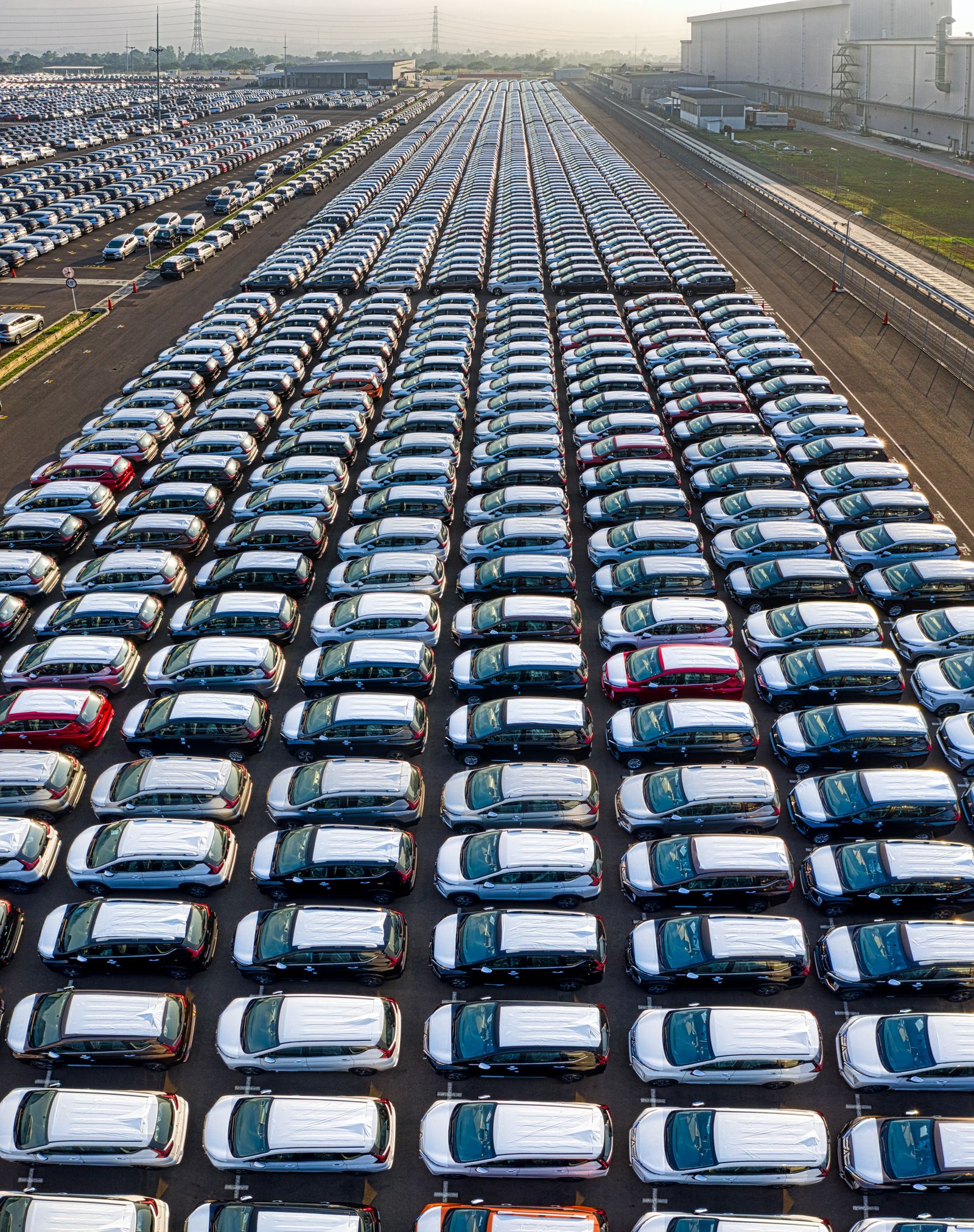
Here is everything The Auto Wire published on Tuesday, September 15, 2026 — a second name attached to Sunday’s fatal Irvine McLaren crash, a Federal Reserve that hasn’t moved rates all year while car loans got cheaper anyway, a Cybertruck recall file that reads like a factory-floor case study, and the 1970 GM strike that still shapes what a new vehicle costs you today.
The Cybertruck’s Federal Recall File Is a Masterclass in Why Factories Beat Prototypes
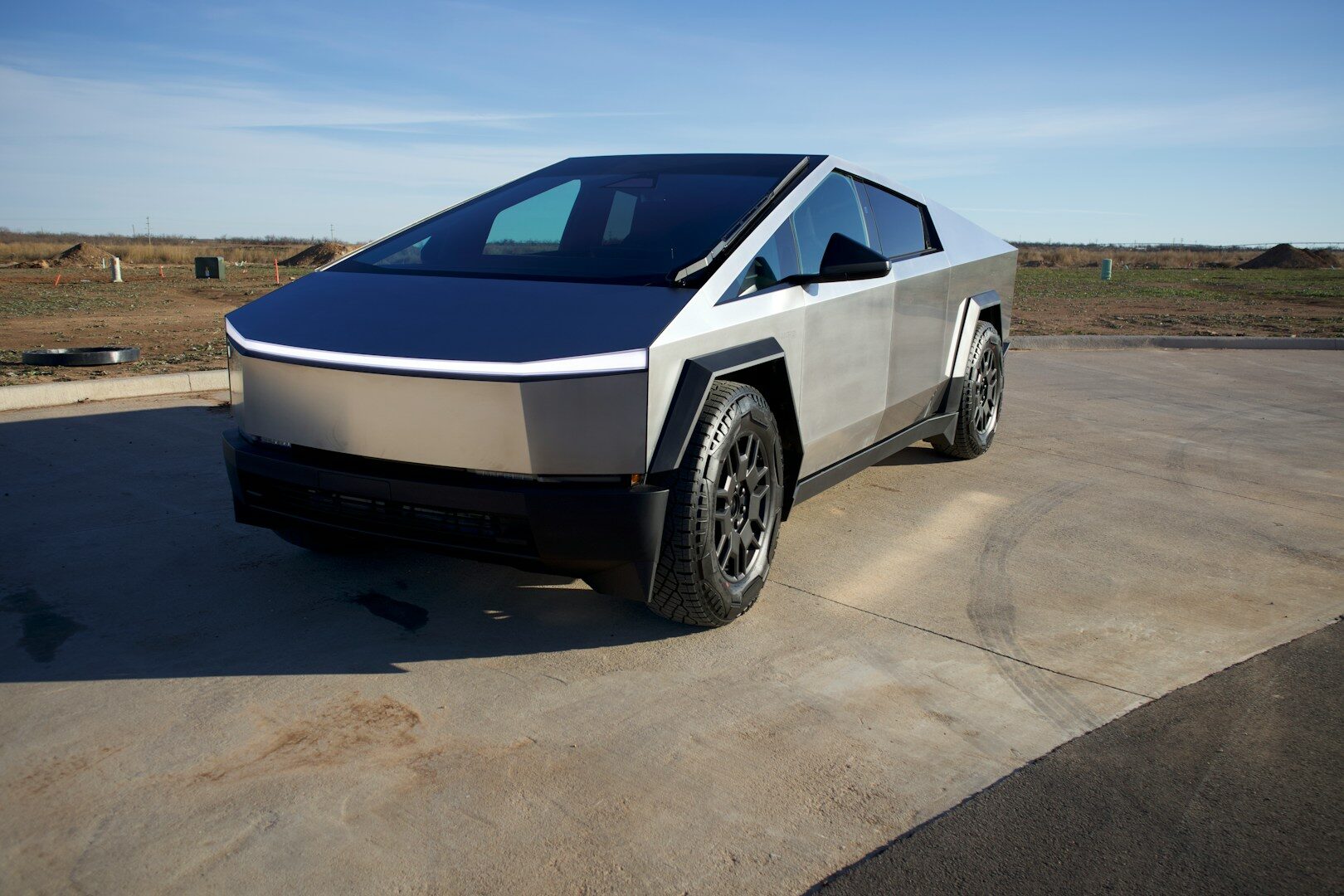
Elon Musk has spent six years warning that scaling production is harder than building a single prototype, and the Cybertruck’s federal recall file backs him up. NHTSA’s paperwork and Tesla’s own delivery numbers trace a string of early defects back to the factory floor, not the design studio.
Hyundai’s 2028 Self-Driving Plan Hinges on a Level That Doesn’t Officially Exist
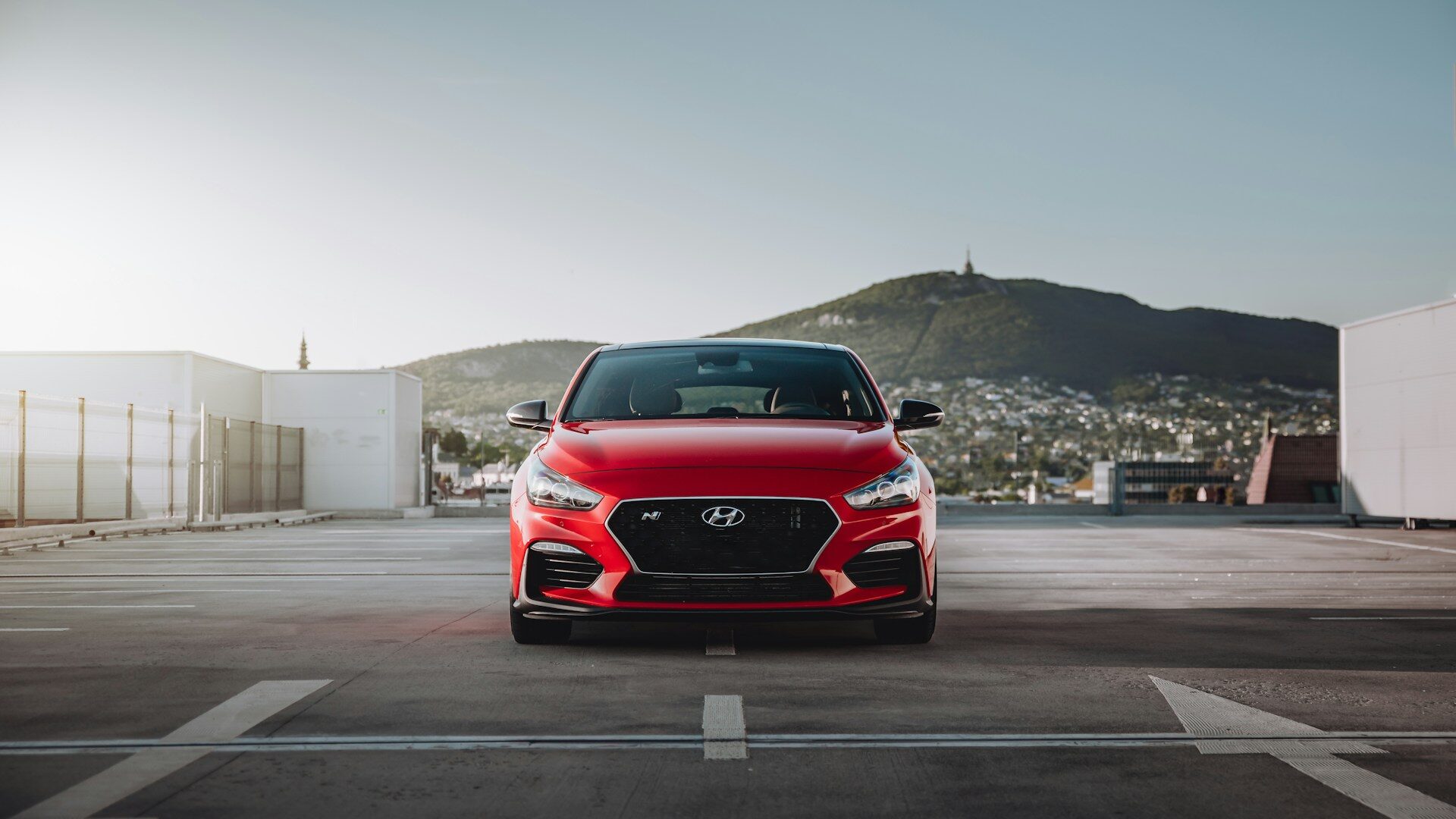
Hyundai spent a day at 42dot’s Gyeonggi Province headquarters walking through its plan to catch up in autonomous driving, and the most telling detail wasn’t in the slides — it was a level of driving automation the company is targeting for 2028 that the industry hasn’t formally defined yet.
The Fed Hasn’t Cut Rates Once This Year. Car Loans Got Cheaper Anyway.
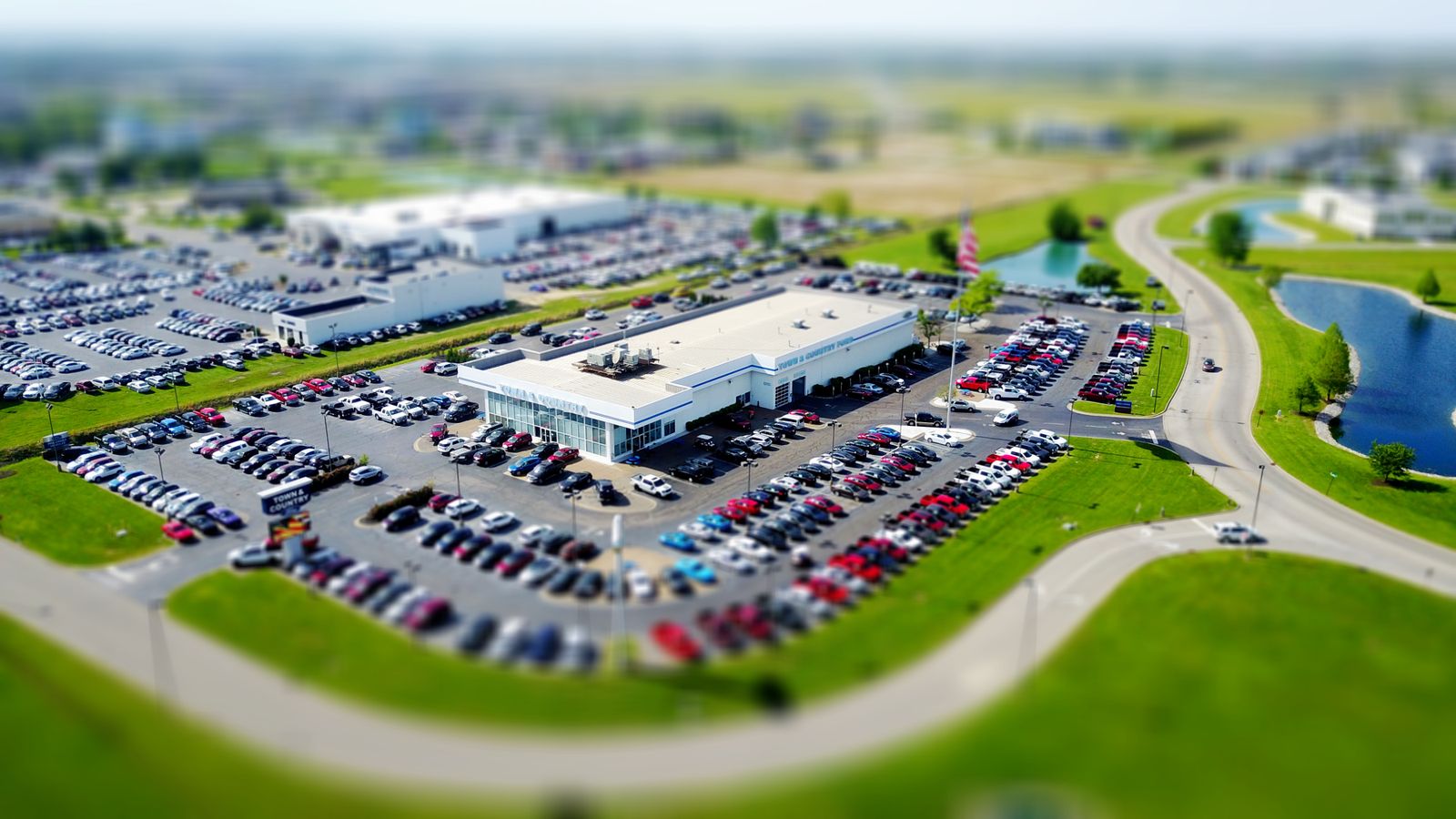
The Federal Reserve meets again this week to decide whether to move interest rates for the first time in 2026. Auto lenders didn’t wait: new-car loan rates have already started falling on their own, even as balances grow and delinquencies creep upward.
22-Year-Old Hooters Calendar Girl Alexis Kramer Named as Second Victim in Influencer’s McLaren Crash

Family members have identified Alexis Kramer, 22, of Florida, as the second person killed in Sunday’s McLaren crash in Irvine. Investigators say speed was a factor but have not yet named a driver.
China’s Draft Law Would Fine Automakers, Not Drivers, for Self-Driving Violations
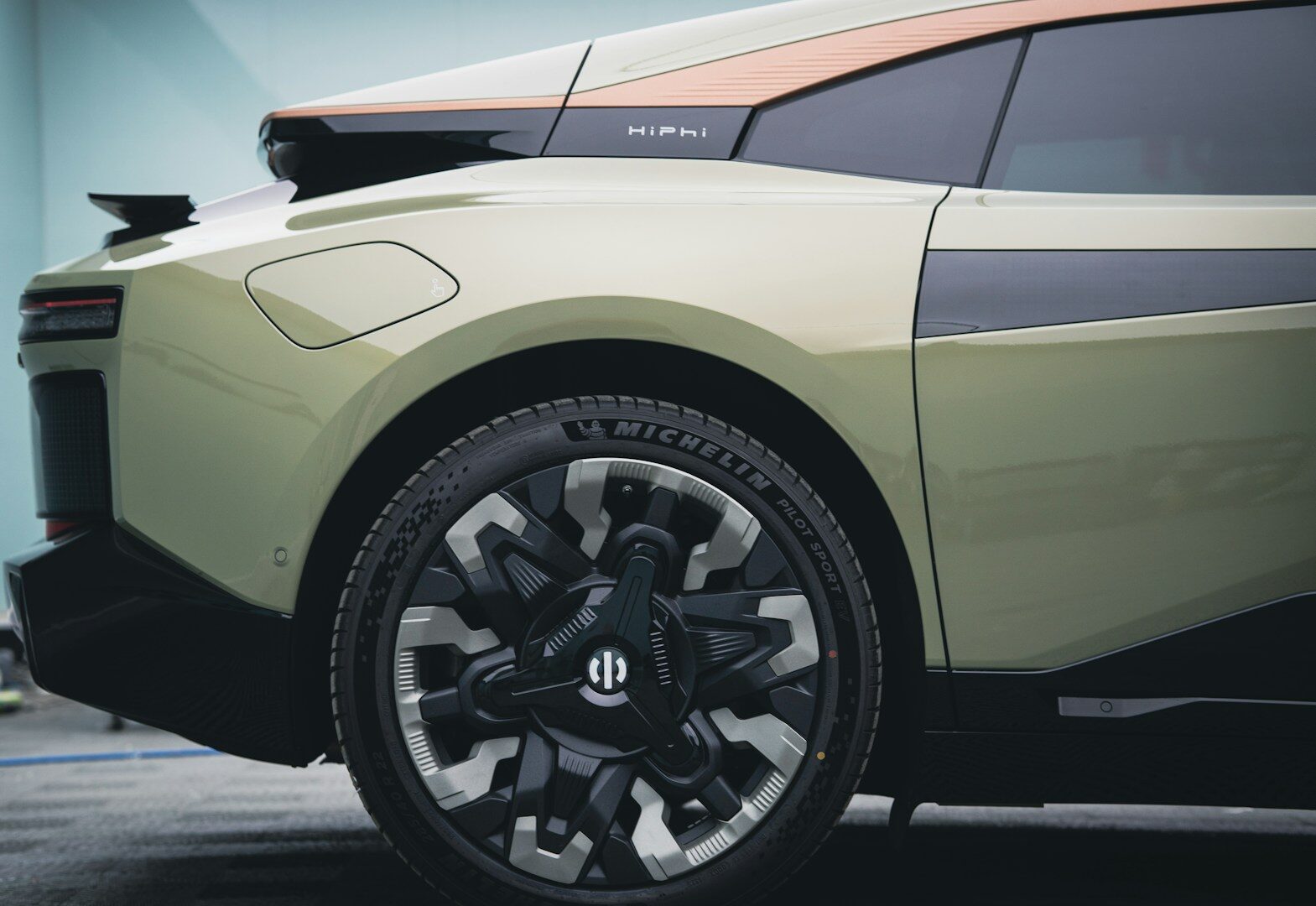
China’s draft traffic law answers a question automakers building self-driving cars have been dodging: when the software breaks the law, the automaker — not the passenger — is on the hook. The bill adds proof burdens, compulsory insurance, and a 2030 industrial target.
Today in Automotive History: The 1970 GM Strike Began September 15 — and So Did the Next Two
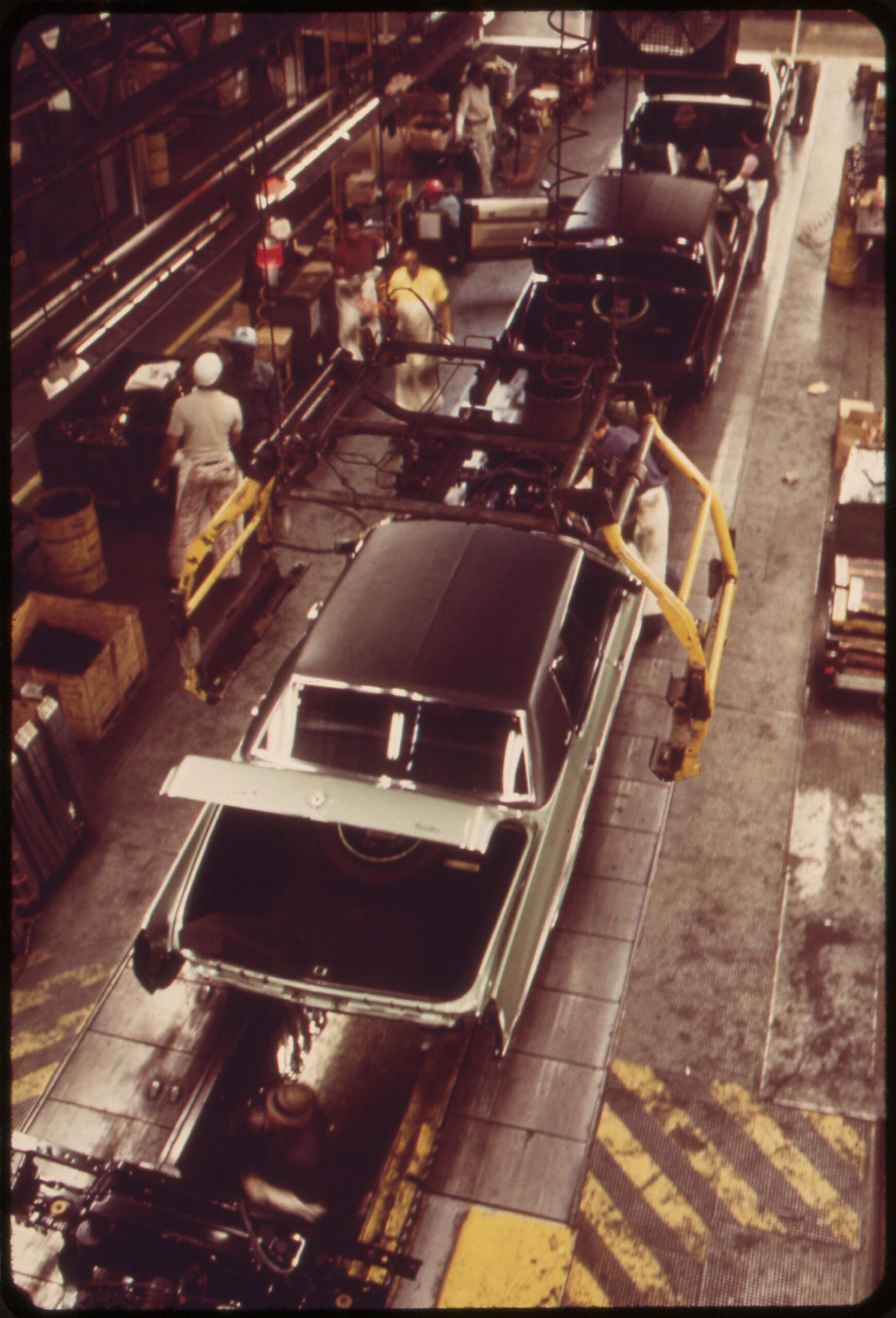
At midnight on September 15, 1970, the world’s largest automaker stopped building cars. The 67-day UAW strike against General Motors cost the company its worst quarterly loss in more than six decades — and won two contract provisions that still shape what every new vehicle costs today.
Ford’s 17-Truck Recall, Diesel Past $6, and What Else Moved
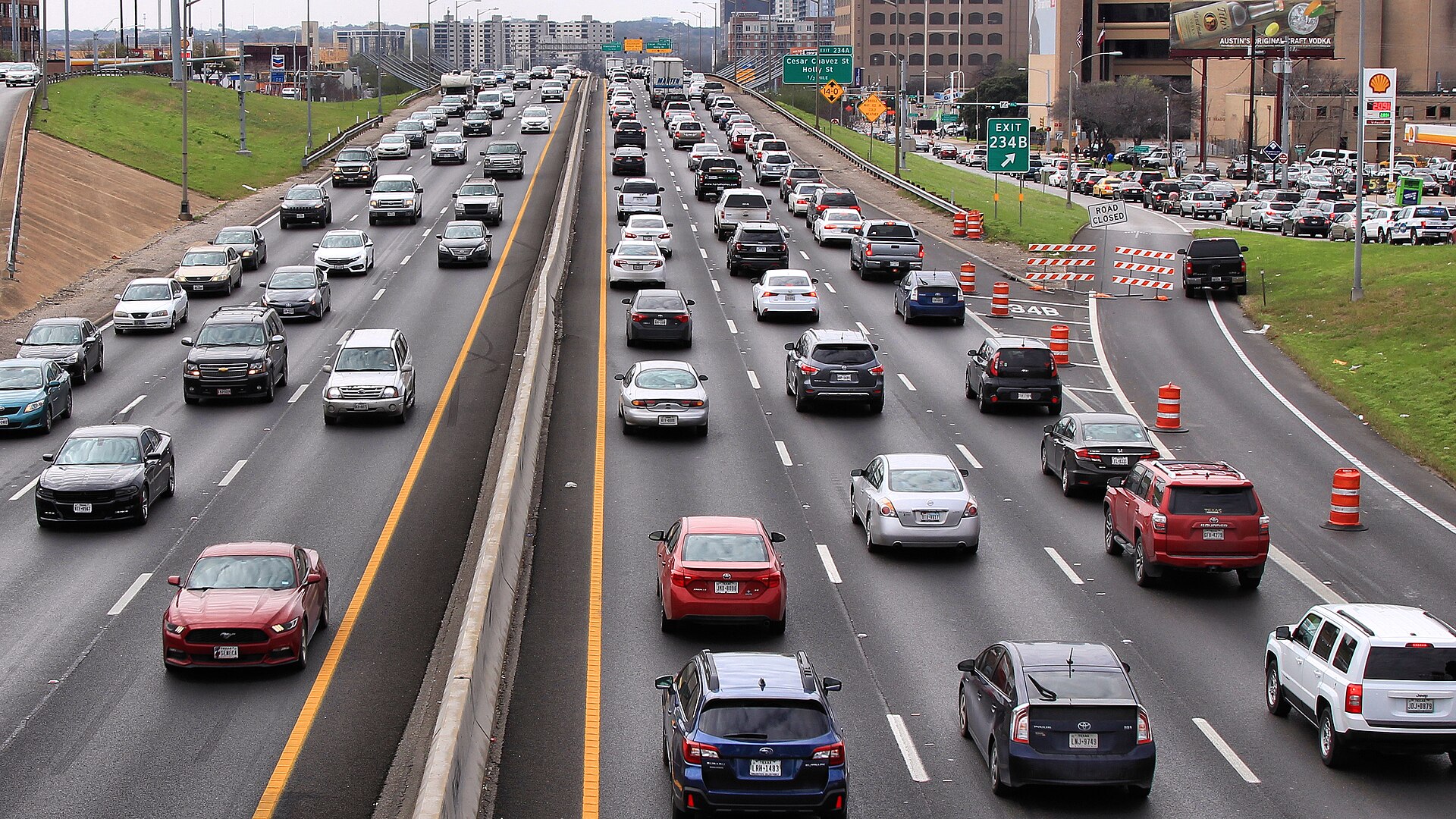
Four Ford recall campaigns landed with federal regulators in a single batch this week, and we covered one of them in a standalone story. Here’s the rest of what moved in the last 24 hours, from diesel prices past $6 a gallon to the smaller recalls that don’t usually get a headline of their own.
That is every news and feature story The Auto Wire published on September 15, 2026. Follow any headline above for the full reporting, the source documents, and the numbers behind it.
Two stories today land on the same question from opposite directions: Hyundai is racing toward a 2028 self-driving target the industry hasn’t even defined yet, while China just decided that when a self-driving car breaks the law, the automaker pays — not the person in the seat. If a car with no one truly driving it runs a red light, who do you think should get the ticket?