

Owners of nearly 202,000 late-model Jeep SUVs have a new reason to double-check their dash lights. Stellantis, through its Chrysler (FCA US LLC) subsidiary, has opened a voluntary safety recall covering select 2024 through 2026 Jeep Grand Cherokee, Grand Cherokee L, Grand Cherokee 4xe, Grand Wagoneer, Grand Wagoneer L, Wagoneer, Wagoneer L, and the redesigned 2026 Jeep Cherokee. Filed with NHTSA as campaign 26V559, the recall targets a software problem that can quietly disable the tire pressure monitoring system.
The root cause traces to a radio frequency hub, the module that stores each wheel’s reference tire pressure. During certain production windows between late 2023 and mid-2026, depending on the model, faulty software could cause that module to lose its stored values or simply stop updating them. The practical effect is a TPMS that never tells the driver a tire is dangerously low, which puts the vehicles out of compliance with Federal Motor Vehicle Safety Standard 138, the rule requiring every new vehicle sold in the U.S. to carry a working low-tire-pressure warning.
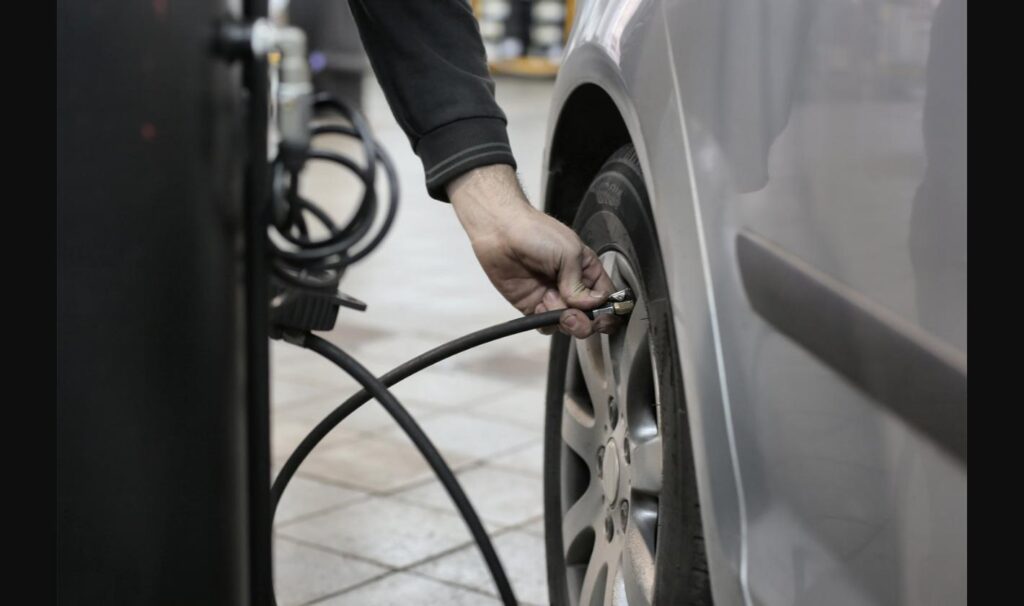
That matters because a silent TPMS removes the only early warning most drivers get before a slow leak turns into a blowout at highway speed, and Stellantis’ own filing warns the failure “can cause a vehicle crash without prior warning.” Beyond the immediate safety risk, an open recall can follow a vehicle financially. Vehicle history reports and dealer trade-in appraisals both flag unresolved safety campaigns, so owners who try to sell or trade in before the fix is done may face tougher negotiations or a lower offer. If a tire-related claim were ever filed while the recall sits open, an insurer could also ask pointed questions about whether the known defect played a role.
Buyer’s guide: Best Tire Inflators for Cars & Trucks (2026)
Stellantis says dealers were notified around September 9, and owner notification letters are scheduled to go out on or about September 29, 2026. The fix itself won’t cost a cent: a technician reprograms the RFH module with corrected software, no parts replacement needed. Owners don’t have to wait for the mailer to find out if their SUV is on the list, since VINs tied to this campaign are already searchable through NHTSA’s recall lookup tool. Until the update is installed, it’s worth checking tire pressure the old-fashioned way, with a hand gauge, since the dashboard light can no longer be trusted to catch a slow leak on its own.
This is the second major Stellantis-adjacent safety story of the month, and it lands the same week the automaker has been dealing with fallout in Canada over its Jeep production shuffle. It also follows Ford’s own piston recall from earlier this month, another reminder that software and manufacturing issues can surface across a model lineup with little warning. Tire safety has been in the news lately for other reasons too, including California’s new tire rules, which show how much attention tire compliance is getting from regulators right now.