
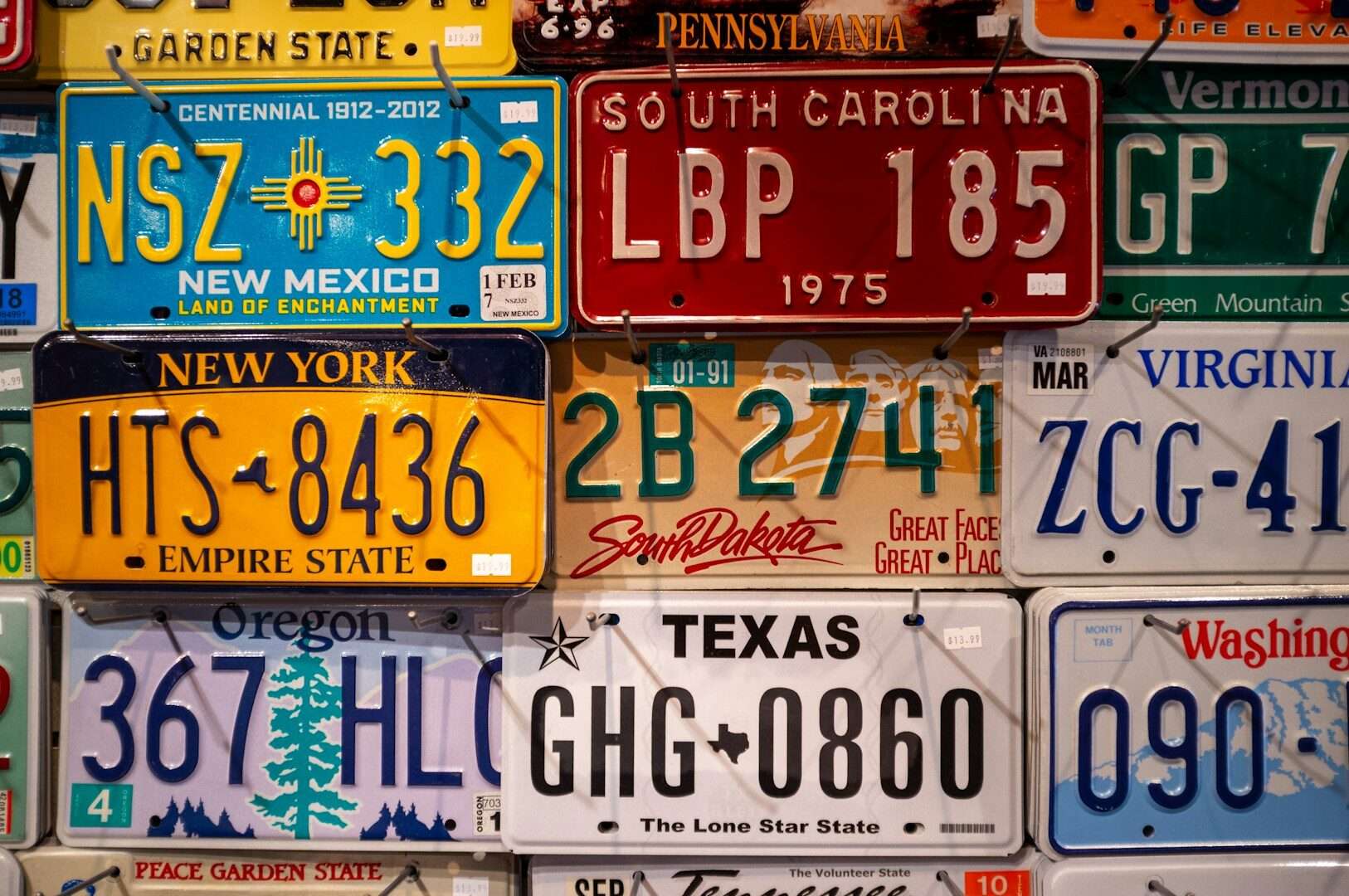
The camera bolted above your commute is not reading your license plate. It is photographing your car in a rapid burst, cropping out whatever looks useful, and sending the results to a server somewhere else to be interpreted. The plate number is an output. The input is a detailed portrait of your vehicle.
That distinction sounds like pedantry until you see what a single one of these devices produced in three weeks.
What Was Actually Sitting Inside The Box
A collective calling itself stegan0gram pulled a Flock Safety camera off a roadway, copied the storage inside it, and handed the material to journalists at WIRED and 404 Media, who analyzed the files jointly. Flock’s response was blunt. A spokesperson said removing and tampering with a camera is “illegal,” and the company said it had received no report through its published vulnerability disclosure process and lacked the detail to assess the claims.
Both things can be true at once. Ripping hardware off a pole is not security research. It also produced the most specific public accounting yet of what happens between the moment your bumper enters the frame and the moment an officer three states away types your plate into a search box.
Twenty-Eight Photos Per Car, And A Good Engineering Reason For It
According to the recovered logs, a typical vehicle passing that camera generated about 28 images. Some produced more than 100. Across roughly 21 days of recoverable activity, the device logged about 50,200 vehicles and roughly 1.6 million images, peaking at 4,454 vehicles in a single day. That is one camera, on one road, in one town.
The burst is not overkill. It is physics. License plates are finished with retroreflective sheeting engineered to throw light straight back at its source, which is why they glare in headlights. Expose a frame correctly for that plate and the rest of the scene collapses into black. Expose for the car, the street, and the paint color, and the plate blows out into a white smear. So the camera brackets, firing a series of frames at different exposures, then crops and uploads whichever ones its software considers worth keeping.
Here is the detail that reframes the entire debate. The camera does not appear to do the recognition. Reading the plate and identifying make, model, and color happens on Flock’s servers, not in the box on the pole. The unit runs Android on a processor comparable to a midrange phone and pushes everything out over a cellular connection.
The camera, in other words, is not the asset. The index is. Worth remembering every time one of these units hits the pavement, because when a truck driver flattened three of them in rural California, the network barely registered the loss. Destroying a sensor does not delete a record.
The Plate Detector Cropped A Flag Patch Like It Was A Registration
When the two outlets ran the camera’s own detection models against footage pulled off the device, the plate finder kept grabbing things that were not plates: bumper stickers, dealership plate frames, and in one case an American flag patch on a motorcyclist’s saddlebag, cropped out and treated as though it were a registration.
Anyone who has worked with machine vision will recognize that failure instantly. A plate detector is trained to find a bright, high-contrast rectangle carrying glyphs, viewed off-axis, in every kind of weather. A dealer frame is a rectangle drawn around exactly that. A bumper sticker is a rectangle with lettering on it. The model is not malfunctioning. It is doing what it was taught, on a road full of objects that look like its target.
The software also explicitly detects people and bicycles and logs how confident it is in each call. Flock’s own published license plate reader policy defines the data its system collects as plate images, vehicle images, vehicle characteristics such as color and make, plate number and state, date, time, and camera location. People are not on that list. The analysis turned up no working face recognition, and the company says it does not do face recognition. Detecting that a human is present is not the same as identifying who that human is. It is also not nothing.
Then think about what those cropped rectangles become once they reach a searchable system. Public records reported by 404 Media show Flock’s own internal demo account running plain-language searches for things like a “coexist bumper sticker” and a white truck wearing a particular political sticker. The company says those queries were tests of its moderation guardrails, run to prove the system blocks or flags them. Accept that explanation in full and one fact still survives: finding a car by the stickers on it is a supported capability, and for certain searches the safeguard is a warning box an officer can click through, reviewed after the fact in an audit log.
That is the quiet shift worth absorbing. A plate search requires knowing a plate. A description search does not require knowing anything.
The Storage Errors Contradict The Brochure
Flock’s policy says plate data sits on the camera briefly before moving to cloud storage, then gets hard-deleted on a rolling seven-day default schedule, a retention window the company says it shortened from 30 days this year. The same policy advertises encrypted data from camera to cloud and safeguards against device tampering.
The hardware told a less tidy story. The recovered unit still held more than 27,000 short video clips. Its logs recorded more than 27,000 out-of-space errors while trying to write full-resolution images, along with crashes and reboots. And the reason any of it was readable is that a key capable of unlocking encrypted media was stored on a partition that was not encrypted.
A camera that fills its own disk and keeps its key in the same housing is not holding your car “briefly” in any sense a normal person would recognize. This is the same system that, through a single mistyped character, turned a press-fleet Range Rover into a stolen vehicle earlier this year. Precision claims deserve scrutiny in both directions.
Why Drivers Accepted The Trade In The First Place
None of this spread because cities love surveillance. It spread because car theft is genuinely miserable. NHTSA counts more than 650,000 vehicles stolen in the United States in 2025, roughly one every 48 seconds. Flock markets against that number, claiming 42 percent of its customers recovered more than half the stolen vehicles in their jurisdictions. Those are company figures rather than audited ones, but the pitch lands in a council meeting, and recovered cars mean fewer total-loss payouts, which is exactly the kind of math an insurer notices.
Drivers have been funding the buildout more directly than most realize. Texas ran its share of the network for three years on an auto insurance fee, meaning the cameras were financed out of policies people bought to protect their cars.
There is a historical rhyme here that I find hard to shake. When vehicle theft became a federal priority decades ago, the government’s answer was parts marking: rules requiring manufacturers to label major components so stolen parts could be traced back. That system was argued over, written into regulation, and aimed at specific vehicles. Its functional successor is optical, continuous, applied to every car on the road, and it arrived through purchase orders rather than rulemaking. Congress debated stamping numbers into fenders. Nobody debated photographing every fender in the country.
The Market Is Already Repricing All Of It
The hackers are not what is threatening this business. Procurement is. Flock opened a voluntary severance program in September for a workforce of roughly 1,500, months after raising money at a valuation above $8 billion. One advocacy tally counted 93 city and county governments ending Flock relationships in August alone, and roughly three times as many local governments dropped the company in 2026 as in the previous five years combined. Vandalism has pushed costs up. A Senate inquiry is looking at a camera footprint north of 120,000 units.
That is a company under real pressure. It is not the end of the capability. The parts are commodity, the software is the moat, and the business model keeps finding cheaper mounting points, from municipal garbage trucks in Dallas to whatever fleet happens to drive your street on a schedule. Sensors get cheaper. Indexes get sold.
What To Remember
Stop calling these license plate readers. That name describes the smallest, least interesting field in the record. What the hardware actually collects is a repeated, timestamped, bracketed photographic description of a vehicle, uploaded for a private company’s models to label on servers you will never see.
A plate is a temporary tag the state issues you, and it can be replaced at a counter in an afternoon. The rest of it cannot. The roof rack, the dealer frame, the cracked bumper cover you keep meaning to fix, the faded decal from a track day in 2019: that is the identifier now, it is one you assembled yourself over years, and it is the part nobody thought to write a law about.
Your plate is issued. Your car’s description is self-published.