
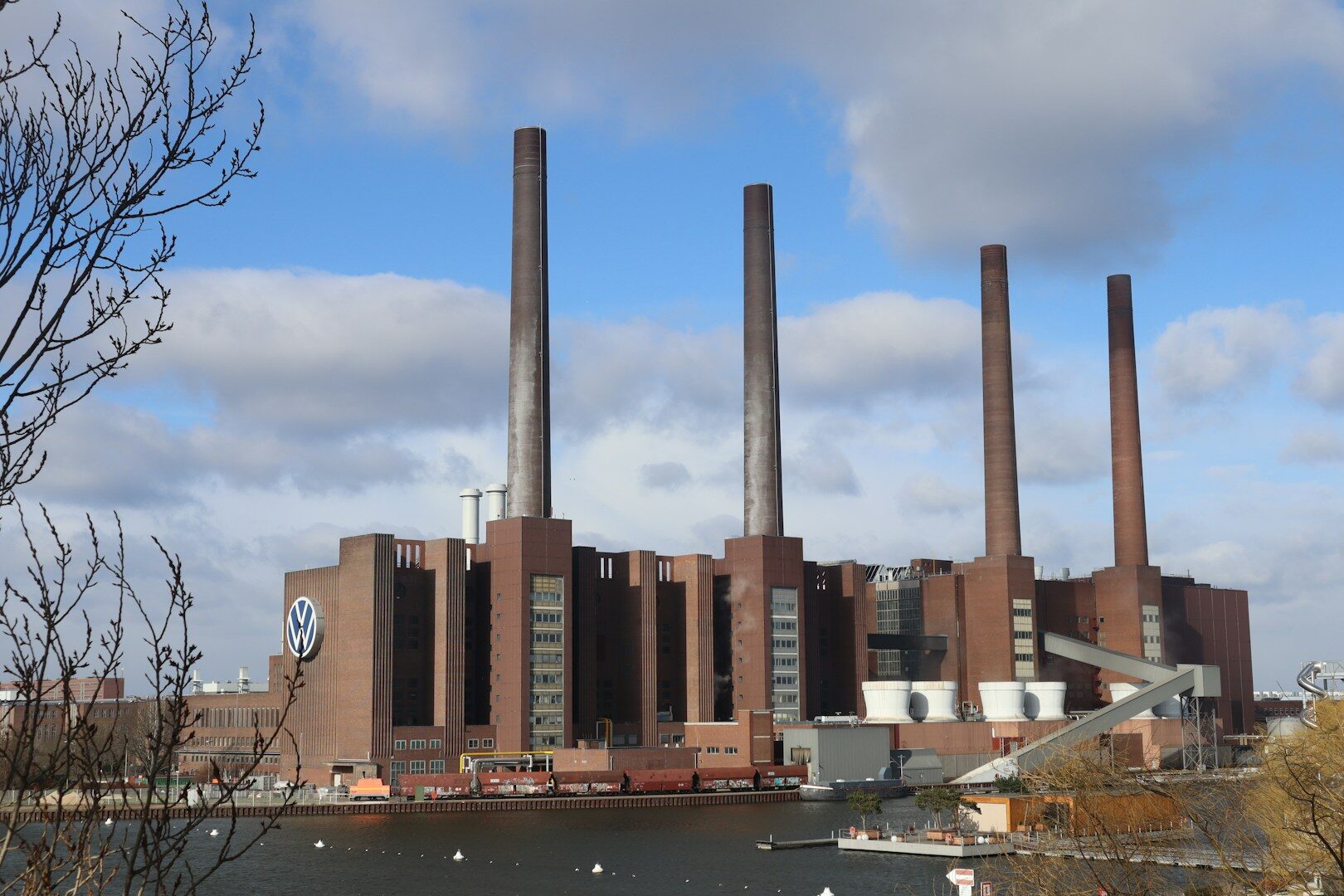
Volkswagen just became the largest company in Europe, measured by revenue. It’s also in the middle of cutting 100,000 jobs, the biggest workforce reduction in automotive history. Both of those things are true at the same time, and neither one is the exception to the other.
Fortune’s 2026 Fortune 500 Europe list, published Wednesday, ranks the continent’s 500 largest companies by turnover. Volkswagen topped it with $363 billion in revenue, up 3 percent from the year before. Shell, which has held or contested the top spot in recent years, slipped to second after its revenue fell 5 percent. Glencore, BP, and TotalEnergies rounded out the top five, and the list overall generated $15.5 trillion in combined revenue, roughly half of the European Union’s entire GDP.
Turnover measures what a company sold, not what it kept. That distinction matters more than usual this year. Profit across Fortune’s 500 companies rose 3 percent to just over $1 trillion, but the profit margin, the share of each dollar of revenue that actually became profit, fell to 6.5 percent from 7.1 percent. Employment across the list dropped 1 percent even as revenue grew 4 percent. Companies across Europe got bigger and leaner in the same year, and Volkswagen is the most visible example of it.
VW Group agreed in 2026 to eliminate 100,000 positions, about 15 percent of its global workforce, by 2030, on top of cuts already underway. Plants in Hannover, Emden, Zwickau, and Neckarsulm are all under threat of closure, which would mark the first time Volkswagen has shut a full-scale factory on German soil. Audi’s 7,500 job cuts, announced this month as part of the same 2030 restructuring plan, and the closure risk hanging over Audi’s Neckarsulm EV plant are both downstream of the same math: revenue at the top of the income statement doesn’t fix what’s happening further down it.
Some of that math is uncomfortable for Volkswagen specifically. Porsche’s profit fell 98 percent over the past year, and VW’s China profit machine, long the group’s most reliable earnings engine, has stalled as domestic Chinese brands take share on their home turf. Group-wide revenue can still climb in that environment. Higher prices, favorable currency swings, and a strong SUV and luxury-brand mix can outrun a weak segment or two. But it climbs while margins get squeezed from underneath. That’s the story hiding inside Volkswagen’s spot atop the Fortune 500 Europe list: the top line is healthy, but some of what’s holding it up is a chair getting kicked out at the same time.
The plant closures under consideration are a bigger historical break than the layoff number alone suggests. Volkswagen has trimmed shifts, offered buyouts, and shed jobs before. It has never closed a full production plant inside Germany, not during the 2008 financial crisis, not during Dieselgate, not during any prior downturn. Wolfsburg has been tied to German industrial identity since the plant opened in 1938. A closure there, or at Hannover, Emden, or Zwickau, would land domestically the way a Detroit assembly plant closure landed in the United States during the 2008-2009 restructuring: not just a business decision, but a signal that the ground had genuinely shifted under an entire industry.
Revenue tells you how big a company got. It doesn’t tell you how it got there, and in Volkswagen’s case, how it got there is the more important number. The company sitting at the top of Europe’s revenue chart this week is the same company restructuring its workforce, closing plants, and rethinking entire brands to stay competitive through 2030. Being the biggest isn’t the same as being the healthiest, and this year’s list is a reminder that those two things can diverge inside a single company’s own numbers.
Does a revenue ranking like this tell you anything meaningful about a company’s actual health, or is it just a scoreboard for size?