
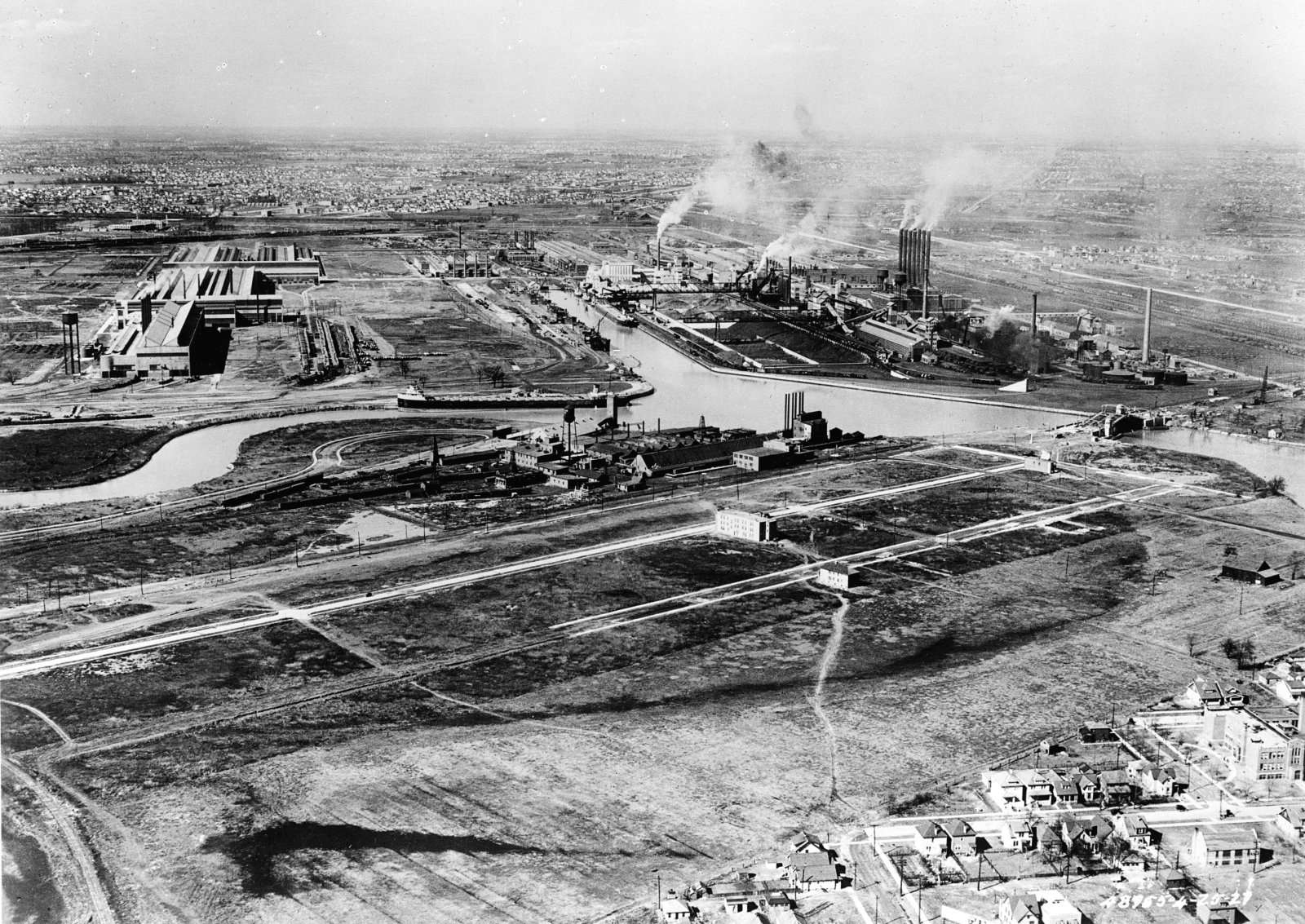
Henry Ford announced the Ford five-day workweek on September 25, 1926. That Saturday, Ford Motor Company said its plants would run five eight-hour days, 40 hours in all, instead of the six-day week most American factory workers put in. The change had been running in parts of the company since July. Now it was official, and Ford said it was permanent.
That may sound like a labor story, not a car story. It is both. The weekend Ford helped make normal became the time Americans drive for fun, shop for cars and take road trips. And the fight over how long autoworkers should work is still going on today.
What Happened on September 25, 1926
The news hit the front page of The Detroit News the next morning under the headline “5-Day Ford Week To Be Permanent.” The paper said the plan had been in operation since July. Ford also said he hoped the shorter week would raise output enough that workers could earn as much in five days as they once earned in six.
The move was also pitched as a jobs program. According to a Library of Congress review of coverage from the time, the announcement said the change would mean work for 3,000 more men. Fewer hours per worker meant Ford needed more workers to keep the lines full.
Ford explained his thinking in an interview published that fall in World’s Work magazine. “It is high time to rid ourselves of the notion that leisure for workmen is either lost time or a class privilege,” he said.
Why the Ford Five-Day Workweek Mattered at the Time
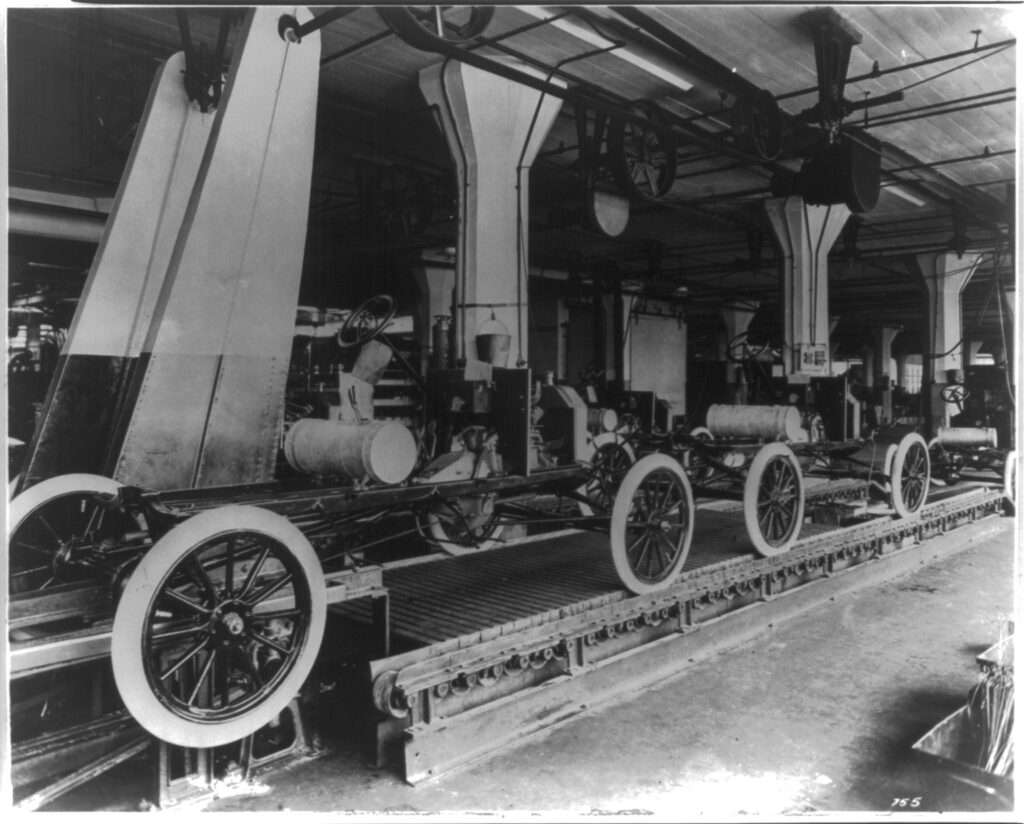
Ford was the biggest carmaker in the world, and it had done this kind of thing before. In 1914, it moved to eight-hour shifts and a $5 daily wage. That was roughly double what many factory jobs paid. Ford did it partly because turnover on the grinding moving assembly line was brutal. When Ford changed its hours, the rest of American industry paid attention.
A Business Case, Not Just a Kindness
Ford framed the five-day week as good business. His argument was simple. People with free time buy things, and people with a free Saturday need a way to get somewhere. In the same interview, he said people with more leisure “require more transportation in vehicles.” In other words, a day off was a reason to own a car.
Timing mattered, too. By 1926 the Model T was getting old, and rivals were selling more style and more features. Ford ended Model T production in 1927 and launched the Model A at the end of that year. A bigger market of car buyers with time to use their cars was exactly what Ford needed.
Ford Did Not Invent the Idea
Ford often gets sole credit for the 40-hour week. That is too simple. Labor unions had pushed for the eight-hour day since shortly after the Civil War, under the slogan “eight hours for work, eight hours for rest, eight hours for what we will.” Labor historians interviewed by fact-checkers describe Ford as an early adopter, not the inventor.
Ford’s generosity also had strings. The Henry Ford museum notes that the higher wages of the 1910s went only to workers the company judged “qualified.” Its sociological department investigated employees’ home lives to decide. And the five-day week did not come with a guaranteed six days of pay. That was a hope, not a promise.
The law caught up more than a decade later. The Fair Labor Standards Act of 1938 capped the standard week at 44 hours, then stepped it down to 40 hours by 1940. Work beyond that had to be paid at time and a half. That rule still governs hourly work across the country.
How the Five-Day Week Still Affects Drivers and the Industry
What It Means for Drivers and Car Buyers
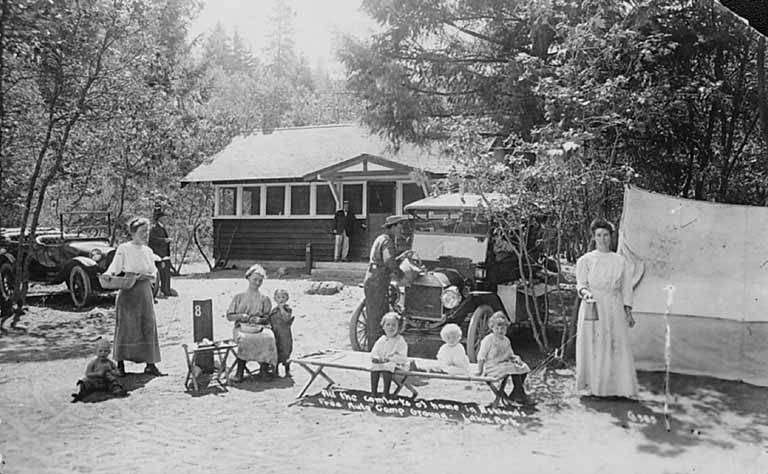
Ford bet that free time would sell cars, and he was right. Within a few years, towns across the country were opening free auto camps for weekend travelers. The weekend road trip, the Saturday test drive and the Sunday cruise all grew out of the idea that working people should have two days off.
That habit still shapes how cars are sold. Dealers staff up for weekends because that is when many households have time to shop. Automakers still design and advertise vehicles around what owners do on their days off, from towing a boat to loading bikes onto a crossover.

What It Means for Autoworkers and Automakers
The 40-hour week also shapes what your next car costs to build. When demand is strong, plants add Saturday shifts, and every hour past 40 is paid at overtime rates. When demand is weak, automakers cut shifts instead. Either way, the five-day week is the baseline every production plan starts from.
Autoworkers are still fighting over that baseline. In 2023, the UAW went into talks with Ford, GM and Stellantis asking for a 32-hour week at 40 hours of pay. UAW President Shawn Fain said members were working “60, 70, even 80 hours a week” to make ends meet. The final contracts brought big raises but not the shorter week. Fain took the case to a Senate committee hearing in March 2024. Strikes over pay and hours are nothing new, as the 1970 GM strike showed.
The pressure can also run the other way. This week, Mercedes-Benz tied the future of two German factories to cost cuts, including longer hours without extra pay. Nearly a century after Ford cut hours to grow his market, a luxury automaker is asking workers for more time to protect its margins.
Meanwhile, automakers are rethinking the assembly line itself. Ford’s own plan for cheaper EVs depends on a new “assembly tree” build process meant to cut the time and labor it takes to build each vehicle. How many hours a car takes to build still decides what it costs.
The Bottom Line
Henry Ford did not give workers Saturdays off purely out of kindness. He did it because he believed free time would create more car owners. He was right, and the weekend became part of what it means to own a car. Like GM’s founding in 1908 and Honda’s founding in 1948, September 25, 1926, still shapes how cars are built, sold and driven.
So here is the question: Should automakers move to a four-day week the way Ford moved to five in 1926? Or would shorter hours only push new-car prices higher? Share your take.