
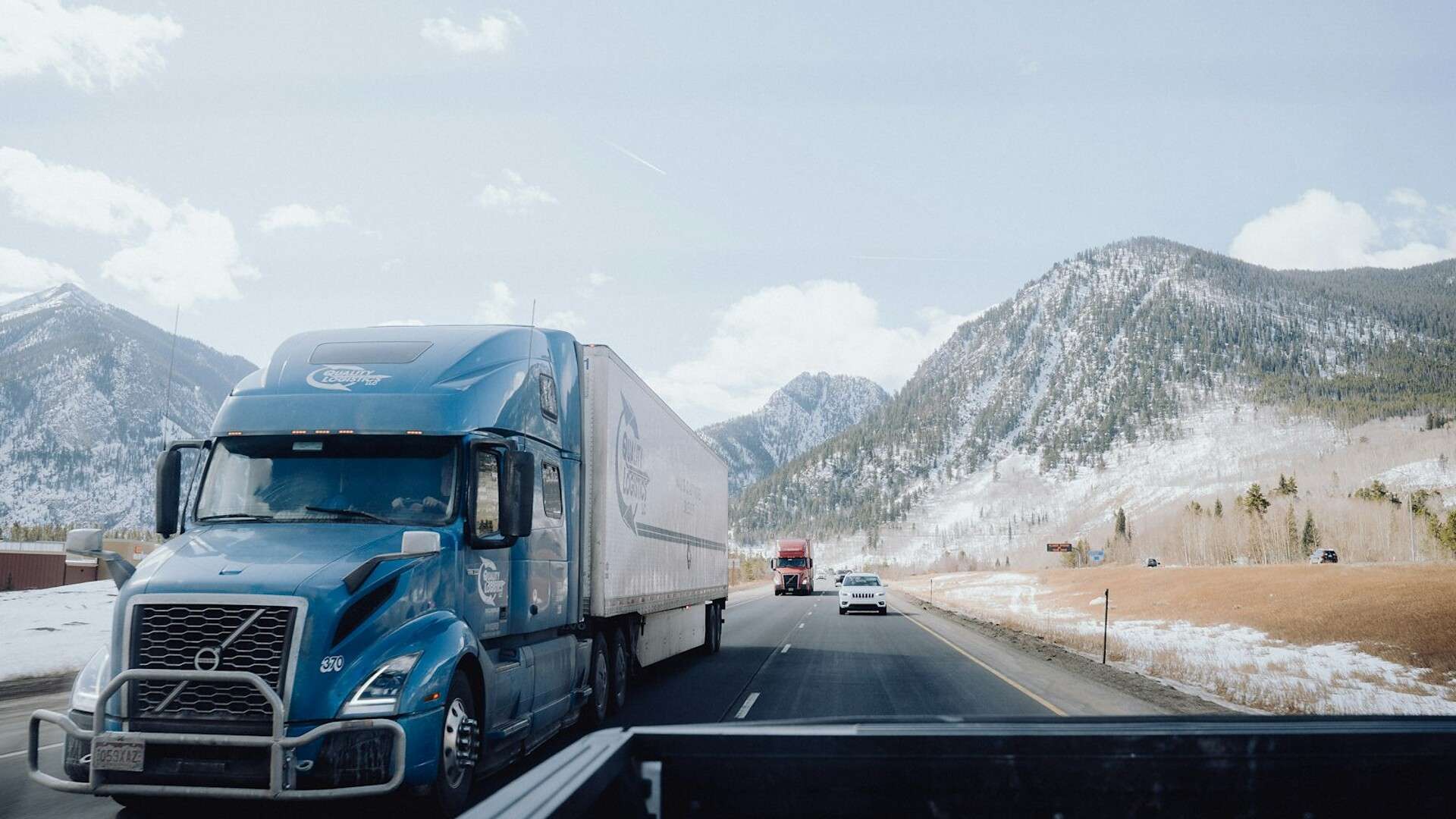
The smoke is the giveaway. In a clip posted by AccuWeather with guidance from the Colorado State Patrol, a loaded semi comes down Interstate 70 with its brakes pouring white smoke, far past the point where pressing the pedal harder does anything useful. The driver has one good option left, and takes it: a runaway truck ramp, a steep lane of loose gravel built into the mountainside for exactly this moment. The truck plows in, sinks, and stops. Nobody below it on the grade ever knows how close it was.
@accuweather A runaway semi with smoking brakes was caught on camera using an emergency ramp on Colorado’s I-70, where deep gravel helped bring it safely to a stop.
Watch on TikTok
It looks like luck. It isn’t. That ramp exists because Colorado’s highway engineers assumed, correctly, that some trucks would lose their brakes on this mountain every single summer.
Colorado Built These Ramps Because Trucks Keep Needing Them
The Colorado Department of Transportation counts five runaway truck ramps along the I-70 mountain corridor, four of them westbound. The busiest is Lower Straight Creek at mile point 209, on the long descent from the Eisenhower-Johnson Memorial Tunnel toward Silverthorne. CDOT calls it the most heavily used runaway truck ramp not only in Colorado but in the United States. In CDOT’s own tally for a stretch from August 2016 to May 2019, that one ramp logged eight reported uses, and the agency estimated it gets used about once a week in summer. CDOT also notes that some uses never get reported.
Summer is the season for a reason. Long, hot descents with heavy loads are when brakes run out of room to shed heat. Eastbound, CDOT rebuilt its Mount Vernon ramp near Genesee in 2024, with three feet of gravel, a bigger barrier wall and a design that lets a driver who misses the first entry get in late. That last detail says a lot about how these emergencies actually go.
How a Runaway Truck Ramp Stops 80,000 Pounds
A runaway truck ramp doesn’t use brakes at all. It’s an arrester bed: a lane of deep, loose, rounded stone, usually running uphill. When a truck’s tires hit it, they sink, and every foot forward means shoving tons of gravel out of the way. Gravity and rolling resistance do what the brakes no longer can. The owner of a Summit County towing company that pulls trucks out of Lower Straight Creek told Denver7 the stone works “like a ball pit,” with no fine material mixed in so it never packs down.
Two details from that same local report are worth knowing if you ever drive a truck through here. Colorado State Patrol doesn’t write tickets for using a ramp, and CDOT doesn’t bill the driver for the ramp itself. The trucker pays the private tow company for the extraction, which is a lot cheaper than what happens at the bottom of the hill without one. The tow operator also estimated that about 90 percent of the trucks that end up in the gravel are from out of state, drivers who may not know how this grade behaves.
Why Brakes Quit on a Mountain
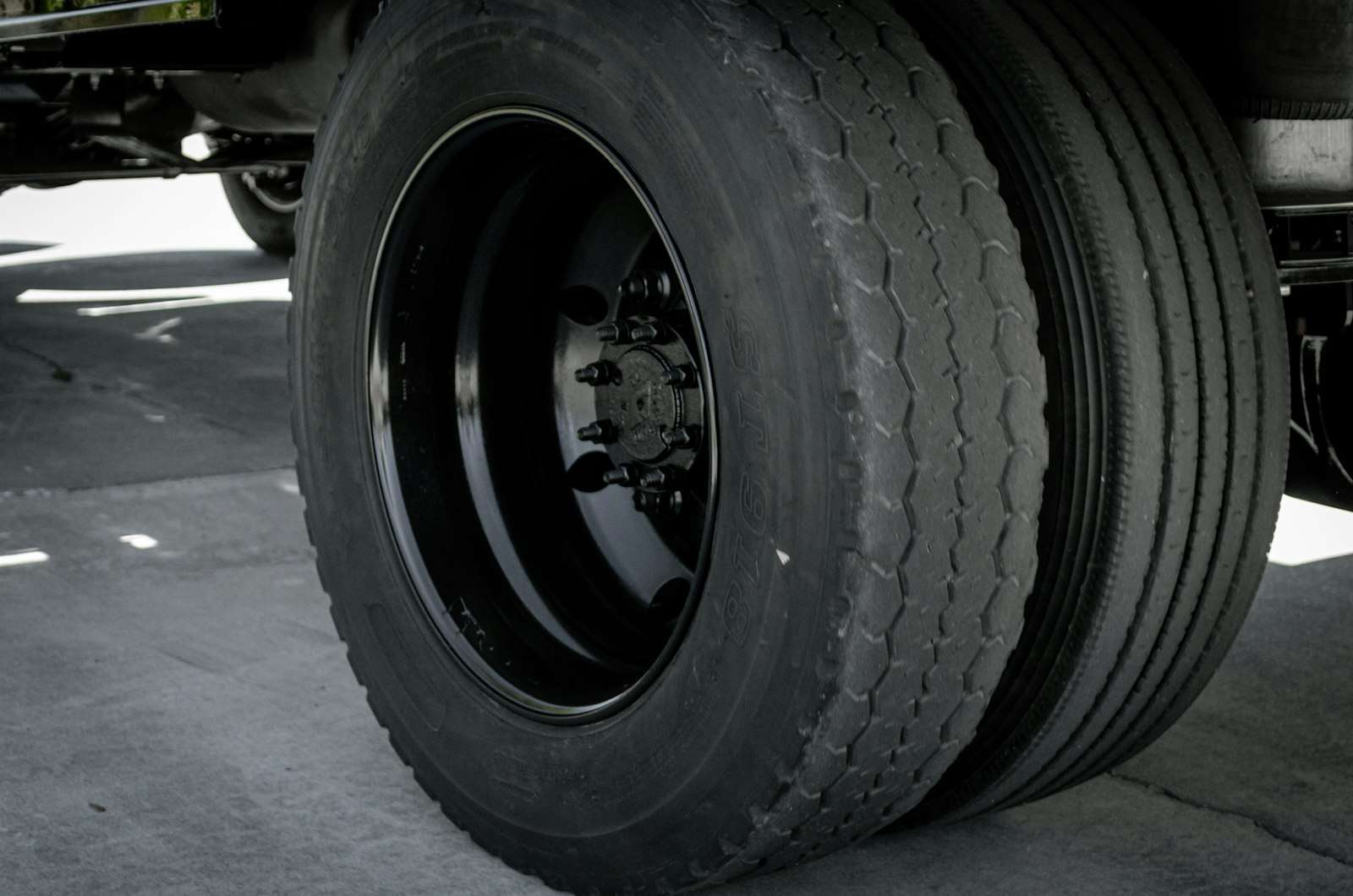
Brakes turn motion into heat. On a short stop, they get rid of that heat fast enough. On a descent several miles long with a heavy trailer behind them, they can’t. The friction material gets hotter, grips less, and the driver pushes harder to get the same result, which makes more heat. That spiral is called brake fade, and the smoke in the video is what the end of it looks like.
The fix is the one every commercial driver is supposed to learn: pick a low gear before the descent starts, let the engine and exhaust brake hold the speed, and use the service brakes in short, firm applications instead of riding them. CDOT’s freight safety materials point drivers to brake check and cooling areas before the worst grades, including westbound near Silverthorne and eastbound near Georgetown. Whether new drivers actually learn that technique is its own problem. The federal list of truck driving schools runs largely on the honor system, and regulators shut down 110 of them in one sweep this summer.
Equipment matters too. During the Commercial Vehicle Safety Alliance’s 2025 Brake Safety Week, inspectors across North America checked 15,175 trucks and pulled 2,296 of them, 15.1 percent, off the road for brake violations. The most common problem was having 20 percent or more of a truck’s service brakes defective. A truck in that shape has a lot less margin on a grade like this one.
What to Do If a Runaway Truck Is Behind You
Colorado State Patrol’s advice runs against instinct. If a truck with no brakes is coming up behind you, don’t slam on your own brakes in front of it. Stay calm and move left when it’s safe, which keeps the right side and the ramp entrance clear. A truck that has lost its brakes usually still has steering. The ramp only saves anyone if the driver can reach it, and a car sitting in the way can turn a controlled stop into a pileup.
The same rule of thumb applies to anyone towing on these mountains, from a pickup with a camper to a rental truck full of furniture. Choose your gear at the top of the hill, not after you smell the brakes. As heavier trucks and even driverless ones push onto more highways, a pile of gravel on the side of I-70 remains one of the most dependable safety systems on the road.
Have you ever seen a truck use a runaway truck ramp, or had to get out of the way of one coming down a mountain?