
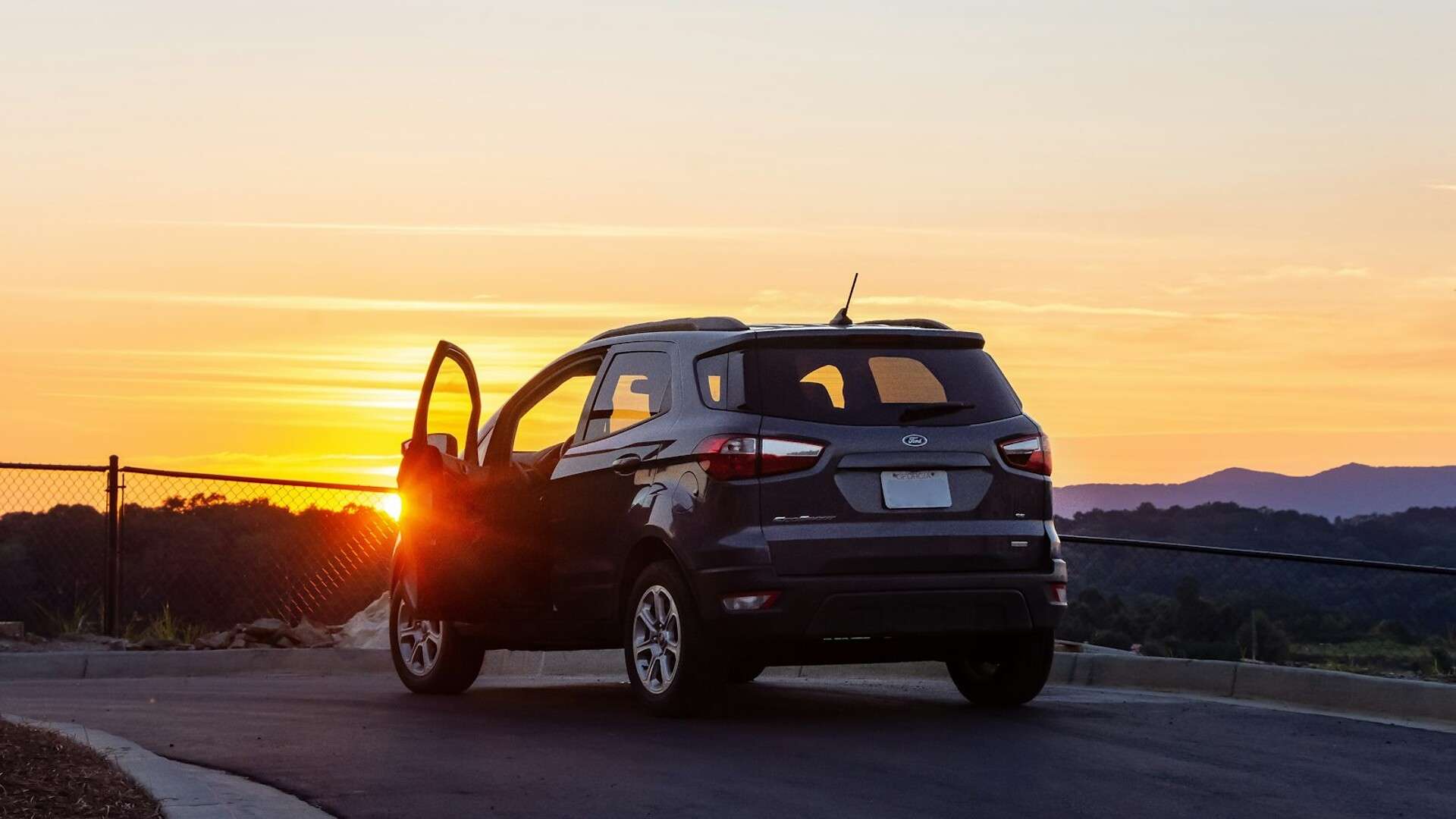
When federal investigators first looked at the Ford wet timing belt problem last December, the file covered about 10,000 cars and 44 complaints. Seven months later it covered 135,551 cars and 1,299 reported incidents. That is not the shape of a problem that is going away, and nobody is making new versions of these cars to fix it. Every one of them is already in somebody’s driveway, most of them bought used, most of them bought cheap.
The engine in question is Ford’s 1.0-liter turbocharged three-cylinder, the little EcoBoost that went into the Fiesta, the Focus and the EcoSport. We explained in August why Ford ran its timing belt submerged in engine oil and what the upgrade to an engineering analysis means. Two months on, there is still no recall. Here is what the federal file actually says, and what it means if you own one or are about to buy one.
How the case grew
The timeline is short and it only moves in one direction.
On December 18, 2025, NHTSA’s Office of Defects Investigation opened preliminary evaluation PE25020 into an estimated 10,473 Fiestas and Focuses from the 2015 through 2018 model years with the 1.0-liter engine. It had 44 complaints. The allegation was blunt: the timing belt may fail and the car loses motive power.
On June 2, 2026, Ford launched a customer satisfaction program. It cut the belt’s replacement interval from 150,000 miles to 100,000 miles or six years, and offered to reimburse some owners who had already paid for engine repairs or replacements tied to the belt.
On July 31, 2026, the agency upgraded the case to engineering analysis EA26004. The population jumped to 135,551 vehicles: 2014 through 2017 Fiestas, 2015 through 2018 Focuses and 2018 through 2021 EcoSports, with manual and automatic transmissions. The count of reported incidents across all sources reached 1,299. NHTSA reports no crashes, injuries or fires tied to the defect so far. It also wrote that there is “an unreasonable risk to motor vehicle safety,” which is the language the agency uses on the road to a recall it can force.
The numbers that should worry owners
Two figures in the engineering analysis do most of the work. The average failure happened at about 70,000 miles. And 98 percent of failures happened before 150,000 miles, the interval Ford originally printed in the maintenance schedule. In other words, the part almost never made it to the mileage its own maker said it was good for.
NHTSA also noted that failures showed up in cars whose owners had documented proper maintenance. This isn’t a story about people skipping oil changes.
Why a wet belt kills the engine
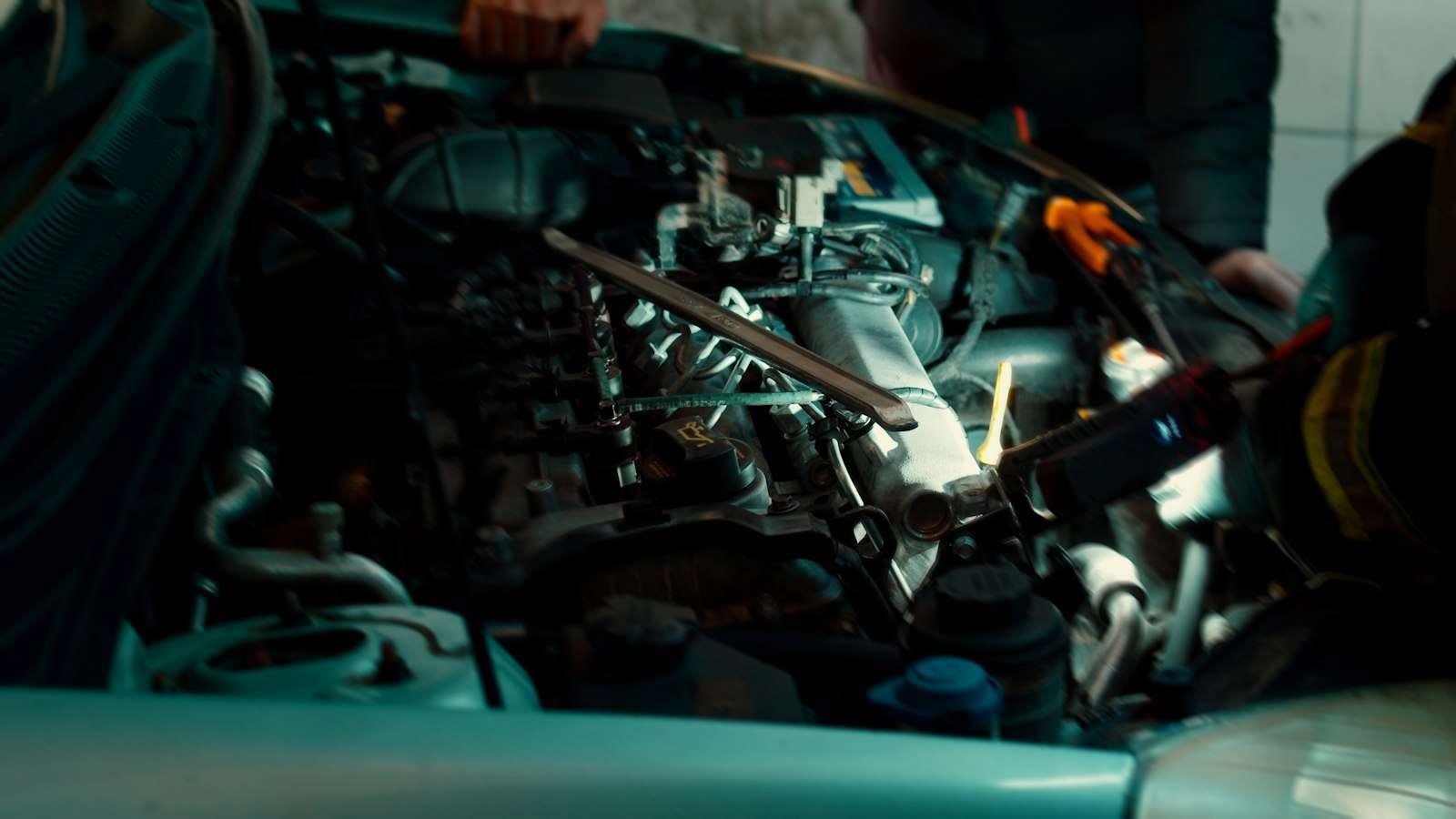
The mechanism is the part most owners haven’t heard. According to NHTSA, the belt material degrades and sheds debris into the oil. That debris collects on the mesh screen at the oil pump’s pickup, the small strainer the pump pulls oil through. As the screen clogs, oil pressure drops. The driver sees an oil pressure warning, and then the engine loses power or seizes, often very quickly.
The line in the federal file that matters most: the oil pump pickup screen cannot be serviced without removing the engine. An oil change drains the oil. It doesn’t clean that screen. That raises an uncomfortable question for anyone with a high-mileage car: a new belt stops fresh debris, but NHTSA’s file doesn’t say anything will clear what an old belt already left on the screen. That’s worth asking a dealer directly before you assume an early belt change resets the clock.
Why this still isn’t a recall
A customer satisfaction program is not a recall. It carries no federal campaign number and no admission that a safety defect exists, and it doesn’t show up the way a recall does when you run a VIN. Ford has been down this road before, including a hybrid recall this summer where the first fix didn’t hold, and it is facing a separate petition over its 2.0-liter EcoBoost.
An engineering analysis is where NHTSA does its own component and vehicle testing. It ends one of two ways: the agency closes it, or the manufacturer recalls the cars, voluntarily or because the agency pushes. Until then, owners are working off the program, not a recall.
If you own one
Check the car’s maintenance record for any belt replacement and compare the mileage against the new 100,000-mile or six-year interval. Whichever comes first matters, and plenty of these cars are already past six years old. Keep every receipt for oil changes and belt work, because reimbursement programs tend to ask for proof. Treat an oil pressure warning light as a stop-now event, not a check-it-this-weekend event, because in these engines that light is often the only warning there is. If Ford hasn’t contacted you about the program, call a Ford dealer with your VIN and ask whether it applies to your car.
If you’re shopping for a used one
These cars are tempting precisely because they are cheap, efficient and everywhere on used lots. That is also why the risk lands on buyers who can least afford a surprise engine bill. Ask for service records, confirm whether the belt has been done, and budget for it if it hasn’t. A car that looks like a bargain at 80,000 miles on an original belt is sitting right on the average failure point in NHTSA’s data. Budget for oil changes, too: engine oil is getting more expensive this year.
Would you buy a used Fiesta, Focus or EcoSport with the 1.0-liter right now, or has this investigation taken it off your list?
Related: The Feds Quietly Closed Their Honda Ridgeline Backup Camera Case Without Ordering A Single Repair