
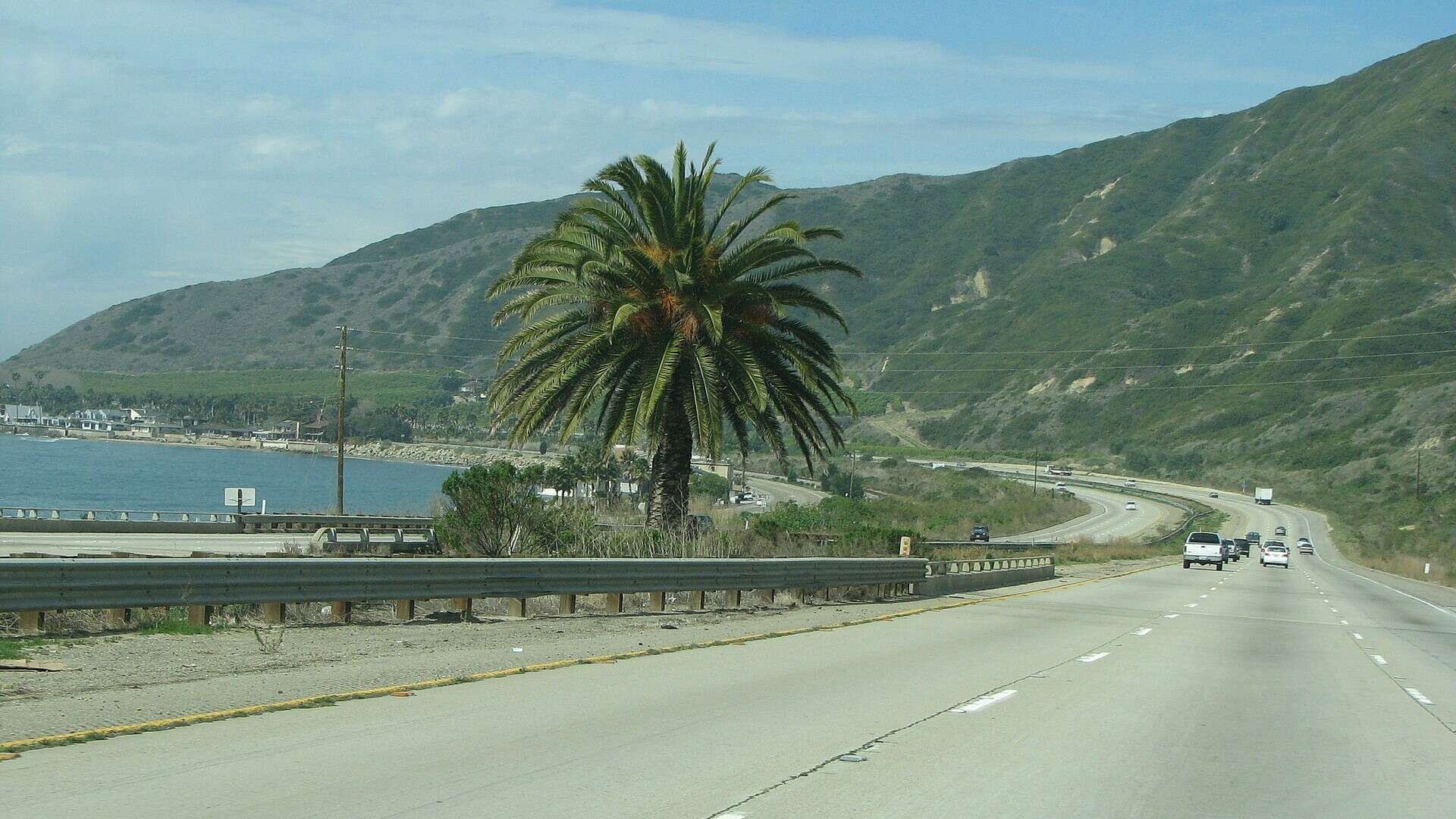
Four speed cameras on Pacific Coast Highway in Malibu recorded about 100,000 drivers going at least 11 mph over the limit between September 16 and September 24, and not one of them will get a bill. The cameras were running in a testing phase, the City of Malibu said in its Oct. 1 update on the program, so they issued no warnings or citations and pulled no owner records from the DMV. Drivers who saw a flash got a photo taken and nothing else.
The same notice carries a second figure that matters more for anyone who drives PCH: roughly 86% of those violations happened in Eastern Malibu. And in Eastern Malibu, the city is running a traffic study to “evaluate existing speed limits in the area,” specifically at the Carbon Canyon and Tuna Canyon camera sites. The study is due in November, the same month the city now plans to start its 60-day warning period. Before Malibu mails its first fine, it is checking whether the number on the sign is the right one.
What Malibu’s cameras recorded, and when fines start
Malibu had planned to begin warnings in late September. On Sept. 29 it pushed the start to November, citing “necessary installation adjustments” along with the Eastern Malibu study. The city’s speed camera page now lists the enforcement phase as TBD. With a 60-day warning period that starts in November, the earliest real citations would land in January 2027.
The rules come from Senate Bill 1297, written by state Sen. Ben Allen and signed by Gov. Gavin Newsom on Sept. 27, 2024. It lets Malibu run up to five camera systems on its 21 miles of PCH until Jan. 1, 2032. The cameras use lidar, photograph the rear plate of any vehicle going 11 mph or more over the posted limit, and send the notice to the registered owner. Once warnings end, the civil penalties are:
- $50 for 11 to 15 mph over the limit
- $100 for 16 to 25 mph over
- $200 for 26 mph or more over
- $500 for 100 mph or more
The bill builds in more leniency than the fine table shows. A vehicle’s first violation in the 11-to-15 mph band gets a warning notice, even after the 60-day grace period ends. The city says the tickets carry no license points and won’t touch insurance rates. Drivers who qualify as indigent get the fine cut by 80%, and those up to 250% above the federal poverty level get it cut by 50%, with payment plans capped at $25 a month and community service available instead of payment.
Malibu’s 2025 traffic counts predicted about 100,000
The September count lines up with numbers Malibu published more than a year ago. In the speed safety system impact report Malibu put out for public review in June 2025, the city wrote that up to 20% of vehicles near the proposed camera sites were traveling more than 10 mph over the posted limit. Its appendix counts those drivers site by site and direction by direction.
I added up the city’s daily counts. Across all five sites, both directions, the report found about 12,450 vehicles a day going more than 10 mph over. Over nine days, that comes to roughly 112,000. The September test, with four sites running, logged about 100,000. The cameras found what the city’s own traffic counters told it to expect 15 months earlier.
The same table explains why the east end dominates. Eastbound at Tuna Canyon alone, the report counted 3,234 vehicles a day more than 10 mph over the limit, which it put at 16% of traffic. Working backward from those two numbers, that direction carries a little over 20,000 vehicles a day. At Latigo Canyon, eastbound, 1,513 speeders made up 18% of traffic, which works out to about 8,400 vehicles. Eastern Malibu doesn’t have the highest share of speeders on PCH. It has a 45 mph limit and more than twice the traffic, closer to Santa Monica and the rest of Los Angeles.
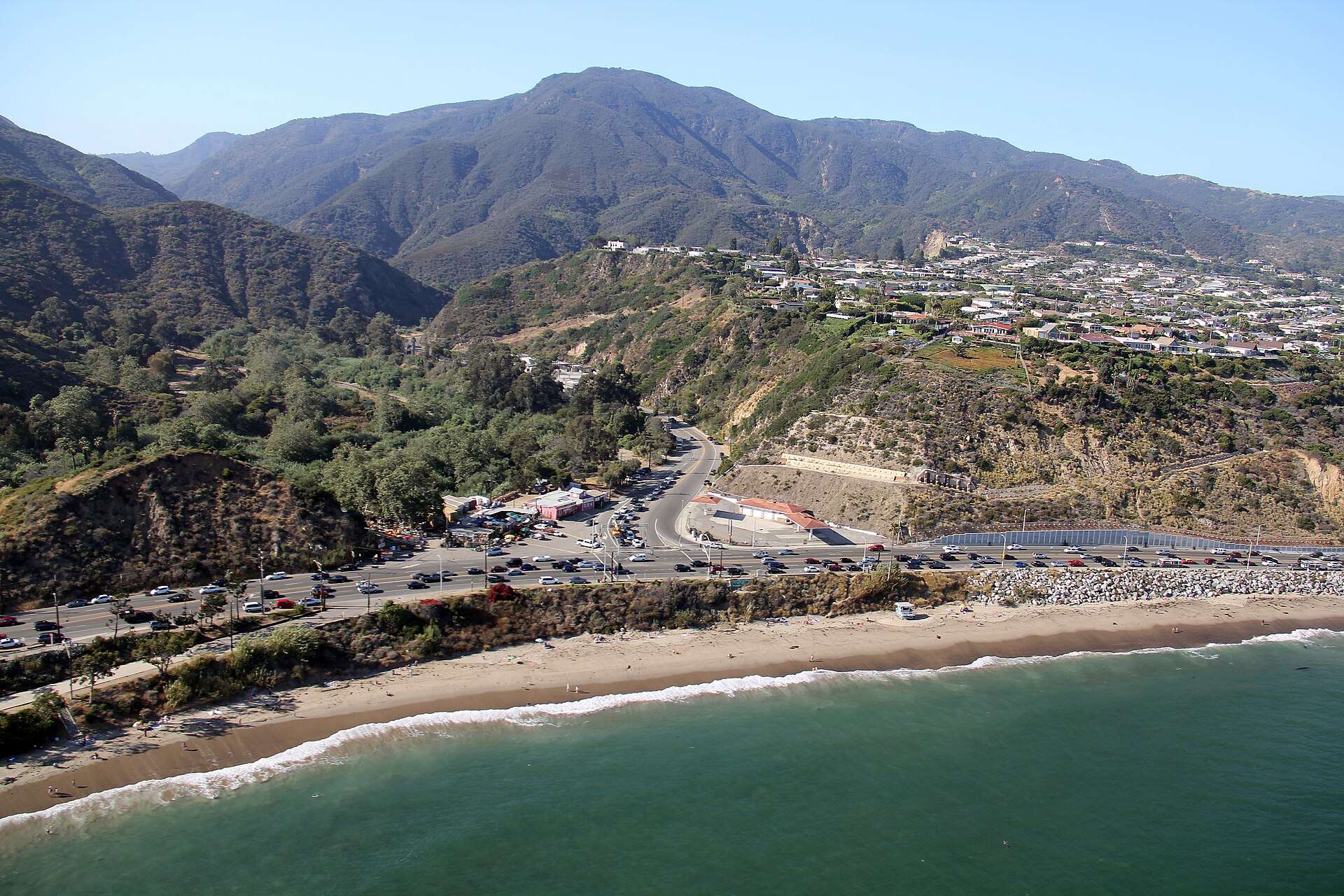

Why the 45 mph limit in Eastern Malibu decides the count
Traffic engineers describe how fast people drive on a road with the 85th-percentile speed, the speed that 85% of free-flowing vehicles stay at or under. Malibu’s camera FAQ says the measured 85th-percentile speed along PCH is 55 mph, against a posted limit of 45. The impact report puts it at 52 mph in both directions at Carbon Beach, the site the city’s newer notices call Carbon Canyon, and at 55 eastbound and 54 westbound at Tuna Canyon, both posted at 45.
A camera that fires at 11 over in a 45 zone triggers at 56 mph. At Tuna Canyon eastbound, that is 1 mph above the speed most drivers already hold. The system is tuned to catch the fastest 15% or so of a very large stream of cars, and that is how four cameras get to 100,000 in nine days.
California ties speed limits to that same 85th-percentile number. Under the state’s traffic-control manual, as Caltrans’ traffic control devices committee lays out, engineers start from the 85th-percentile speed rounded to the nearest 5 mph, can cut 5 mph more with a written justification, and since the 2021 law AB 43 can cut further on roads designated as safety corridors or near heavy pedestrian and bicycle activity. Run Tuna Canyon through the basic method and 54 or 55 mph points to a 55 limit, or 50 with the standard reduction. Getting to 45 takes the extra justification. Our look at how America lets the fastest drivers write speed limits explains why that system tends to push limits up over time.
Malibu hasn’t said which way its study might point, and the decision isn’t fully the city’s to make. PCH is a state highway, and the city’s own PCH safety page notes that Malibu does not control it. Any change to the posted limit runs through Caltrans. But a 5 mph change in either direction at the two eastern sites would move the camera trigger to 51 or 61 mph and reshape the violation count more than any billboard campaign could.
The case for holding at 45 sits in the same appendix. Within one mile of the Carbon Beach site, the city counted three fatal crashes, 13 severe-injury crashes and 111 other injury crashes from 2019 through 2023, with 34 crashes attributed to speeding, the most of any proposed site. Tuna Canyon logged two fatal, 17 severe-injury and 72 other injury crashes over the same years. The part of Malibu with the most speeders is also where people get hurt most often.
Malibu’s camera costs, and where the fine money has to go
The impact report puts the cost of setting up five systems at $2,086,895 and ongoing costs at $1,010,000 a year, with the city fronting the money from its general fund. At the $50 minimum, covering that annual bill takes about 20,200 paid citations. That is The Auto Wire’s math, not the city’s, and it equals less than two days of September’s test volume. If drivers keep the habits the test recorded, the program will pay for itself within weeks of fines starting.
What the city can do with any surplus is narrow. SB 1297 requires Malibu to sign an agreement with Caltrans to spend excess revenue on traffic-calming projects on PCH within three years of the fiscal year it comes in. If that money isn’t spent on PCH projects by then, it goes to the state’s Active Transportation Program. The camera vendor’s contract can’t pay by the ticket or by a share of revenue, and the job and pay of the hearing examiners who rule on appeals can’t be tied to how many penalties they uphold. The city says the measure of success is “slower vehicle speeds, fewer crashes, and fewer injuries, not the number of citations issued.”
San Francisco, one of six cities allowed to run cameras under the earlier state pilot law that The Auto Wire covered in January 2024, offers a preview of what success looks like. The city’s transportation agency reported in May that the share of drivers going 10 mph or more over the limit at camera locations fell from 11% on average before the cameras to 2%. About 65% of drivers who had received a warning or citation had not gotten another. Malibu’s eastern sites started at 5% to 16% in the city’s 2025 count, and Latigo Canyon at 18% to 20%. If Malibu follows San Francisco’s curve, the September count will turn out to be the high point.
Who gets the notice: rental fleets, commuters and visitors
The notice goes to whoever owns the car, not whoever drove it. That matters on PCH more than on most roads. Malibu has about 10,000 residents, and its impact report says at least half of the highway’s traffic comes from non-residents: beachgoers, tourists in rental cars, and through traffic along the coast. A rental company, a leasing bank or an employer with a fleet of work trucks will see these notices first and decide how to pass them along. If you borrow, rent or drive a company vehicle through Malibu next year, check what your agreement says about camera tickets.
The city says non-violation data is deleted immediately, violation records are destroyed within 60 days after a case is resolved, the system doesn’t use facial recognition, and the data won’t be shared with other government agencies.
Malibu won’t be the only place in Southern California mailing these notices. Long Beach switched on up to 18 speed detection devices on Oct. 7 and is in a warning period through Dec. 7, Spectrum News reported. Los Angeles is preparing up to 125 cameras under the same $50-to-$500 fine structure. By volume, none of them is likely to match Chicago, which mailed a speed camera ticket every 17 seconds in 2024 with a far lower trigger of 6 mph over.
What to watch on PCH this November
Three things will decide what Malibu’s cameras turn into. The first is the Eastern Malibu study and whether Caltrans changes the 45 mph limit at Carbon Canyon or Tuna Canyon before warnings begin. The second is the warning period itself, which the city still hasn’t put a date on. The third is the city’s first performance report to its Public Safety Commission, which it has promised to make a regular agenda item. If the counts fall during the warning period the way San Francisco’s did, the 100,000 figure will be remembered as a baseline. If they don’t, Malibu will have a program that covers its annual costs within weeks and a highway where drivers kept paying to go 56.
If most drivers on Malibu’s east end already cruise at 52 to 55 mph, should Caltrans raise the limit to match them, or should the cameras hold the line at 45?