
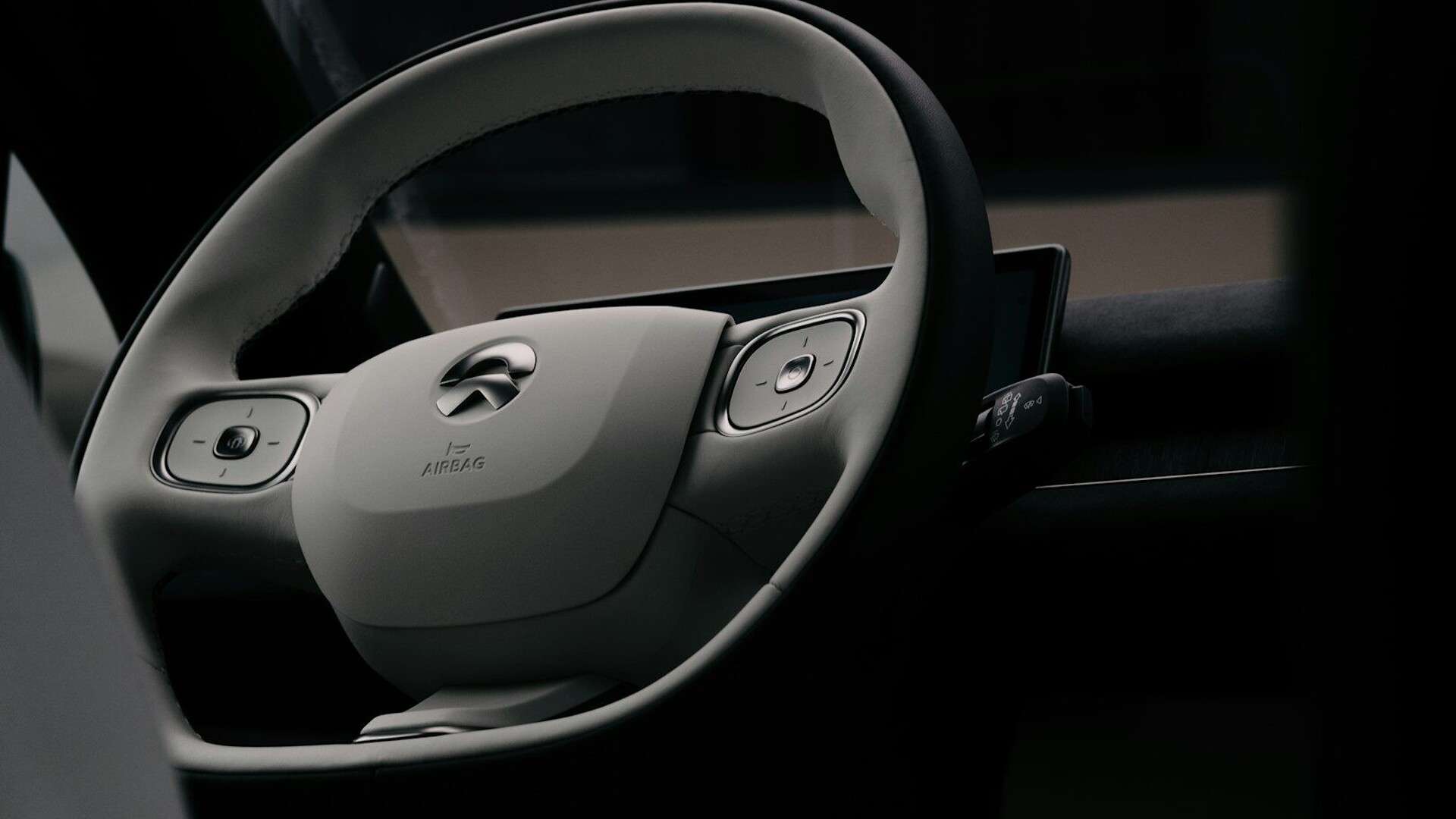
Norway’s Home Guard spent a week in September rehearsing how to defend its capital. Some of its rental cars spent the same week making home movies.
From September 14 to 18, nearly 5,000 soldiers trained across Oslo and Akershus in Exercise Hovedstad 2026, which the armed forces’ own announcement described as the year’s largest Home Guard exercise, and the first in many years to train the whole Oslo and Akershus district at once. Part of the transport came from a rental fleet. Some of those rentals were saving video of what happened around them. sourcesource
What the government has actually confirmed
The clearest account comes from Defense Minister Tore O. Sandvik’s written parliamentary answer to Progress Party lawmaker Himanshu Gulati. Sandvik confirmed that soldiers themselves discovered the cars were recording, reported it immediately, and that the recordings were deleted. The armed forces also asked the rental company for a complete list of the cars used during the exercise. source
Related Articles
- A Haines City Cop Was Three Months Into His Second Chance When He Got Arrested for DUI in His Marked Patrol Car Near Orlando City Hall
- Gas Up 34%, Insurance Down 5%: September’s CPI Moved the Cost of Driving From the Policy to the Pump
Gulati’s question goes further. It states that the rented cars recorded their surroundings without the soldiers knowing and captured security codes, among other things. Sandvik didn’t contest that. He did admit something more awkward: a threat assessment covering digital risks was prepared before the exercise, but because baseline protections were already in place, no specific risk assessment was done on using Chinese rental cars. source
The paper trail on the supplier is short. Hertz’s Oslo locations are registered as branches of First Rent A Car Norway AS, according to Norway’s business registry. In 2017, Volvo Car Corporation notified EU regulators that it would take sole control of First Rent A Car, whose rental business covered Sweden, Norway and Denmark, per the European Commission filing. Gulati’s question highlights that this chain runs through Volvo Cars to China’s Geely group. source
What no official document does: name the make or model, or show that any footage ever left the cars.
The car kept the footage. Nobody told it not to.
Here’s the car-nerd part. Many modern EVs reuse their surround-view and driver-assist cameras for a second job: built-in dashcam and parked-surveillance recording. The clips land on internal storage or a USB drive. In a privately owned car, that’s a feature. It nails the guy who dinged your door.
In a rental fleet, it’s a liability. The car’s memory outlasts every renter unless someone deliberately wipes it. A car that gets vacuumed, charged and handed over without a data reset is still carrying the last customer’s clips. Here, the soldiers found the videos on their own. Whoever rents the car next could too.
That’s why the real failure here may be fleet hygiene more than espionage. Nobody needs a satellite uplink to Beijing if the next customer can scroll through the gallery.
Sandvik’s answer makes a similar point. He wrote that sensor-based collection risk applies to all modern vehicles, including delivery vans and defense employees’ private cars, and to phones and smartwatches, regardless of who built them. Several units already require private vehicles to park outside camp, and bans on vehicles with modern sensors and cameras remain an option for specific areas. But a general ban on Chinese-made vehicles entering defense sites is not considered appropriate for now. source
Oslo is not Washington
Washington, predictably, went the other direction. The Commerce Department’s connected-vehicle rule bars China- and Russia-linked connectivity software starting with Model Year 2027 and hardware from Model Year 2030. Then-Commerce Secretary Gina Raimondo summed up the logic: “Cars today aren’t just steel on wheels – they’re computers.” source
Related Articles
- New York City Says CarGurus Rated a Honda $2,212 Under Market. With Fees, It Was $1,473 Over.
- Lawsuit: The Search Reason Was ‘Info.’ The Driver Being Searched Was Suing the Sheriff.
Norway is betting on base security and alert personnel instead of origin-based bans. Sandvik framed the soldiers’ own discovery as proof of the awareness the forces need. That’s a fair point. It’s also a generous way to describe a system where the detection method was a soldier poking at a touchscreen. source
What owners and buyers should take from this
- Renting anything newer than about 2020? Dig into the camera, dashcam or sentry menus before you return it. Delete your clips the same way you’d delete your paired phone and saved addresses.
- Buying an ex-rental or ex-fleet EV? Do a full factory reset. Check any inserted USB drive, too. You may be inheriting someone else’s driving history, and they may be inheriting yours if the dealer skipped the reset.
- Running a fleet or company cars? Add a data wipe to the turnaround checklist next to tire pressure. Footage of identifiable people is personal data in Europe, which makes leftover clips a compliance problem, not just an awkward one.
- Insurance angle: Onboard recordings can help settle disputes over damage. But that same footage belongs to whoever’s driving. Know your car records before an adjuster asks for it.
The punchline isn’t that a Chinese car spied on NATO-country soldiers. Nobody has shown that. The punchline is that a camera-equipped car did exactly what it was designed to do, and nobody in the chain thought to ask what that meant on a military base. When did you last check what a rental kept before you handed it back?