
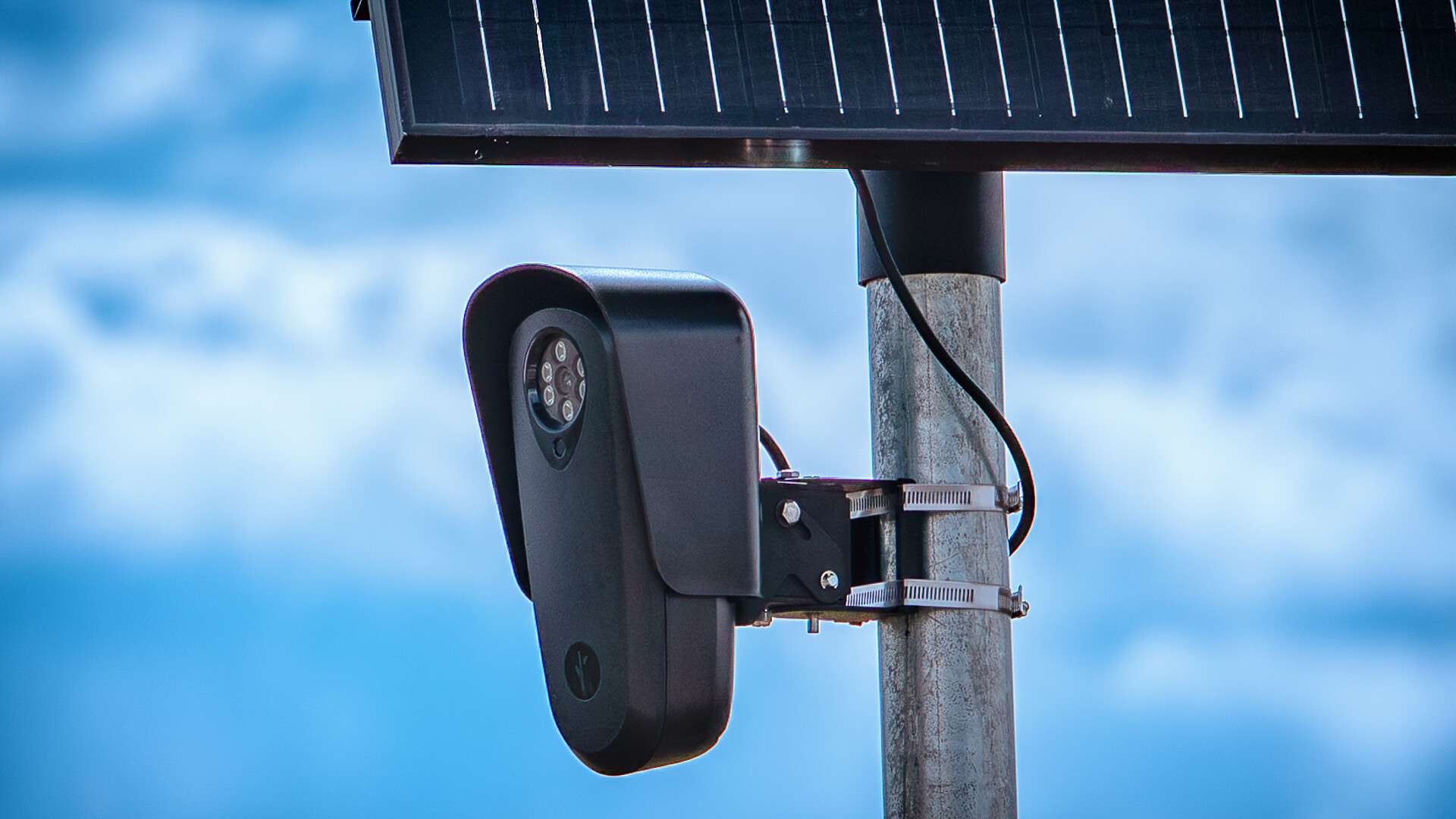
Lynn, Massachusetts, police got a report at about 4:36 p.m. on Monday, Oct. 26, that a car had been stolen from the area of Boston Street with a 6-year-old child in the back seat. At about 5:15 p.m., according to the Lynn Police Department’s release, Everett officers found and stopped the car. Police said the child was recovered safely and taken to Massachusetts General Hospital for evaluation. The department credits the Flock license plate reader network with showing that the car had left Lynn toward Saugus. The stop itself was made by Everett officers.
A 26-year-old man was arraigned Tuesday in Lynn District Court, WHDH reported, on charges that include kidnapping, reckless endangerment of a child, receiving a stolen motor vehicle, shoplifting by asportation, malicious damage to property and two counts of open and gross lewdness. He pleaded not guilty and was held without bail, with a dangerousness hearing set for Nov. 3. The station’s report included no statement from his defense. It said the Essex County District Attorney’s Office described the car striking several police cruisers and another vehicle while fleeing, and officers ending the chase with a PIT maneuver. Those are accusations, and he has not been convicted of anything.
What the cameras did in those 39 minutes
The release gives the plate readers one job: direction of travel. A reader logs a plate, a time and the location of the camera, so a hit tells dispatchers where a car was a few minutes ago, not where it is now. That is enough to decide which neighboring departments to call, and the release says Lynn police notified surrounding departments and Massachusetts State Police and started the AMBER Alert process. Investigators also tried to locate a cell phone inside the vehicle. Flock was one tool among several. Chief Kelly’s statement said the priority was finding the child and that technology like Flock gives officers valuable investigative information.
The timing is not uniform across coverage. WHDH, citing its own reporting, put the recovery about 20 minutes after the call and relied on unnamed sources for the Flock tracking, while CBS Boston reported a call at about 4:45 p.m. and a car surrounded on Revere Beach Parkway in Everett. The department’s release is the only one of the three that gives its own clock, 4:36 to 5:15 p.m., and this article uses it.
Where Massachusetts law stands on plate readers
In Commonwealth v. McCarthy, decided April 16, 2020, the Supreme Judicial Court held that the limited use of plate readers in that case was not a search under the Fourth Amendment or article 14 of the state constitution. The record there was four cameras at two fixed spots, the Bourne and Sagamore bridges. The court said widespread use could implicate a protected expectation of privacy in the whole of a person’s public movements, and it noted that the exigency exception could apply to real-time hot-list alerts. Chief Justice Gants, concurring, wrote that future cases may require a warrant based on probable cause for a locational mosaic comparable to cell-site data.
Measured against that opinion, a live alert during an abduction report is the easy case: the exigency the court described is the situation Lynn police were in. The harder cases involve no emergency and stored data, where officers search weeks of a driver’s plate history. That is the question in the Wisconsin Supreme Court warrant fight, in the Fifth Circuit appeal over a fuzzy steering-wheel cover and in a Colorado lawsuit over a Rivian logged 20 times.
Massachusetts cities and the cameras
The ACLU of Massachusetts has been suing State Police under the public records law since November 2023 for camera locations and for records showing why and how often officers search the database. Its case page lists a Sept. 2, 2026 press release headlined that a court ruled State Police must disclose those locations and audit records. The page also lists Cambridge, Framingham, Greenfield, Natick and Watertown as municipalities that have barred their local police from using plate readers. Elsewhere, Tempe passed a ban 6-1 and a city memo then said police can still accept neighbors’ plate-reader data if they do not request the search.
Departments defending the cameras tend to point to cases where a child or a stolen car comes home. Lynn’s release makes that argument, and it is a fair one on its facts: the car was stopped 39 minutes after the report, and the child was unharmed. What the release does not say is how many cameras were involved, how long Lynn keeps the data, or who else can search it. Those answers, not the 39 minutes, are what a city council in Massachusetts would need before voting to keep or drop a contract.
Court date and what to watch
The man is due back in Lynn District Court on Nov. 3 for the dangerousness hearing. If prosecutors later rely on stored plate data from the Lynn network at trial, the McCarthy questions about retention and search limits would come up in a case with a sympathetic set of facts behind it.
A kid came home safe 39 minutes after the call. Is that enough for your city to keep its plate readers, or do you want a warrant for anything past a live alert?