
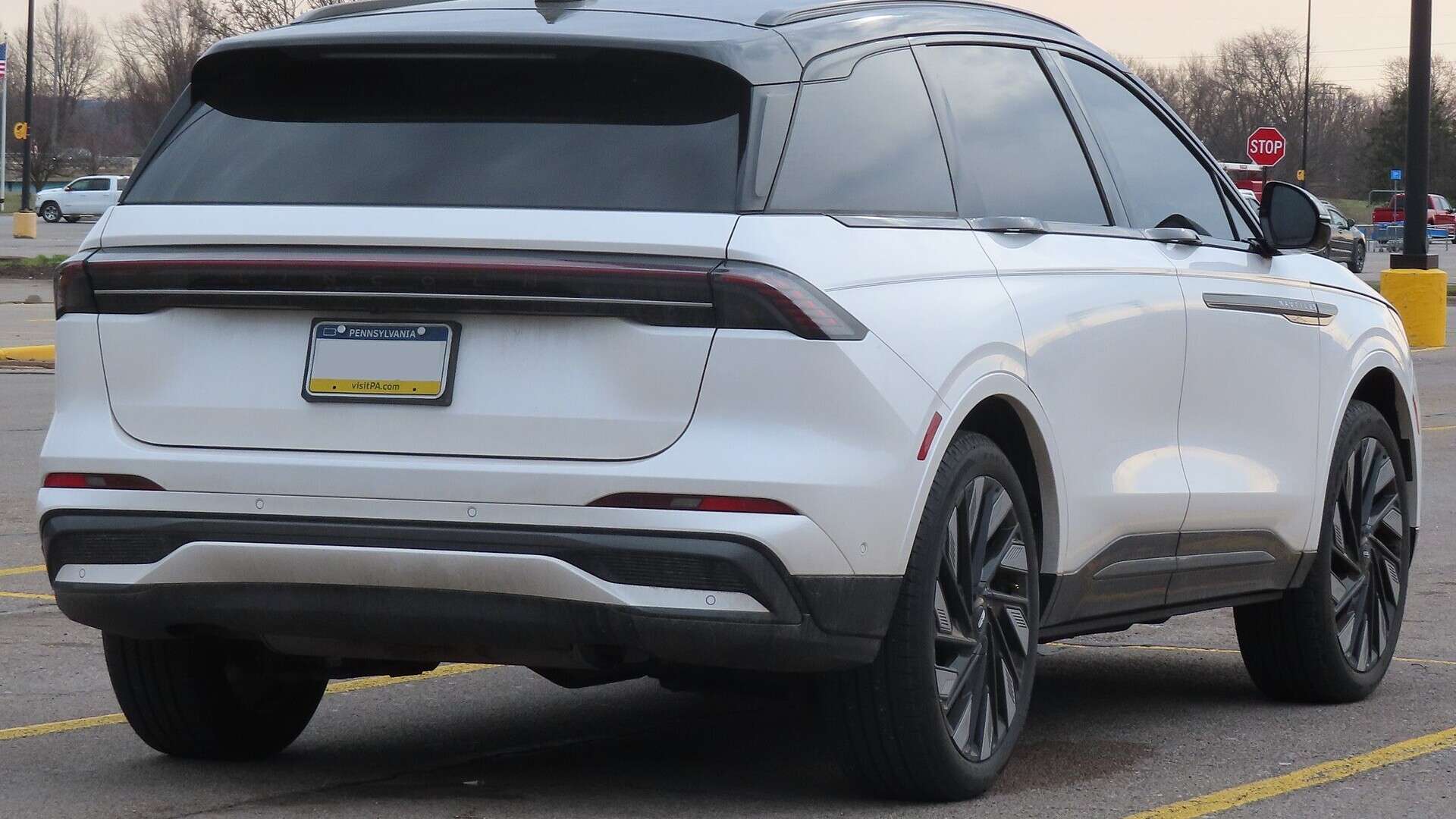
The Lincoln Nautilus Hybrid recall comes down to a supplier’s oil change. Ford’s recall report, filed with NHTSA on October 20, says the supplier changed the anti-rust oil used on the park module, did not tell Ford, and did not validate that the new oil was compatible with the coating that protects the module’s circuit board.
The recall, NHTSA campaign 26V688 and Ford 26S75, covers 11,623 vehicles: 11,560 Nautilus Hybrids from the 2026 and 2027 model years built between September 9, 2025 and August 6, 2026, and 63 2027 Corsair Hybrids built between March 12 and July 8, 2026. Ford says oil on the Integrated Park Module can degrade the conformal coating on its circuit board. Ford’s analysis found that the degraded coating promoted corrosion in the rotary sensor circuit and a related capacitor. A voltage drop on that sensor can make the vehicle shift into Neutral unexpectedly while driving, and a stationary vehicle may be unable to shift out of Park.
What the coating does and why the supplier change matters
A conformal coating is a thin polymer film applied over a circuit board to keep moisture and contaminants away from the components underneath. When a process oil attacks the film, the board loses that protection, and corrosion can follow. Automakers generally require a supplier to get approval before changing a material on a production part, because testing that the new material is compatible with what it touches is how a change like this gets caught before it ships. Ford’s report says neither step happened here.
The warning signs, according to the report, are a wrench light with a “Service Vehicle Soon” or “Shifting System Error” message, and dealers have found diagnostic trouble code P271A. As of September 28, Ford had 15 U.S. warranty claims, 106 worldwide, plus one U.S. field report and one U.S. customer report. It reported no crashes, fires or injuries. Ford’s chronology shows a regional review group opening a concern in July, the case moving to its North American group on August 13, failure analysis finishing in September, and the Field Review Committee approving the recall on October 13.
Dealers will replace the module with one that lacks the problematic oil and carries the latest software, at no charge. Ford expected to notify dealers on October 26 and mail owner letters November 2 through 6, and NHTSA’s record shows affected VINs became searchable on October 26.
Four more recalls hit NHTSA the same week
Ford, Chrysler, BMW and GM filed four more recalls with NHTSA between October 20 and October 22. Together with the Lincoln recall they cover 55,125 vehicles. The Auto Wire covered the largest filing from the same days, Toyota’s 228,367 Sienna Hybrids, separately.
| NHTSA recall | Vehicles | Units | What NHTSA says is wrong | Fix and owner letters |
|---|---|---|---|---|
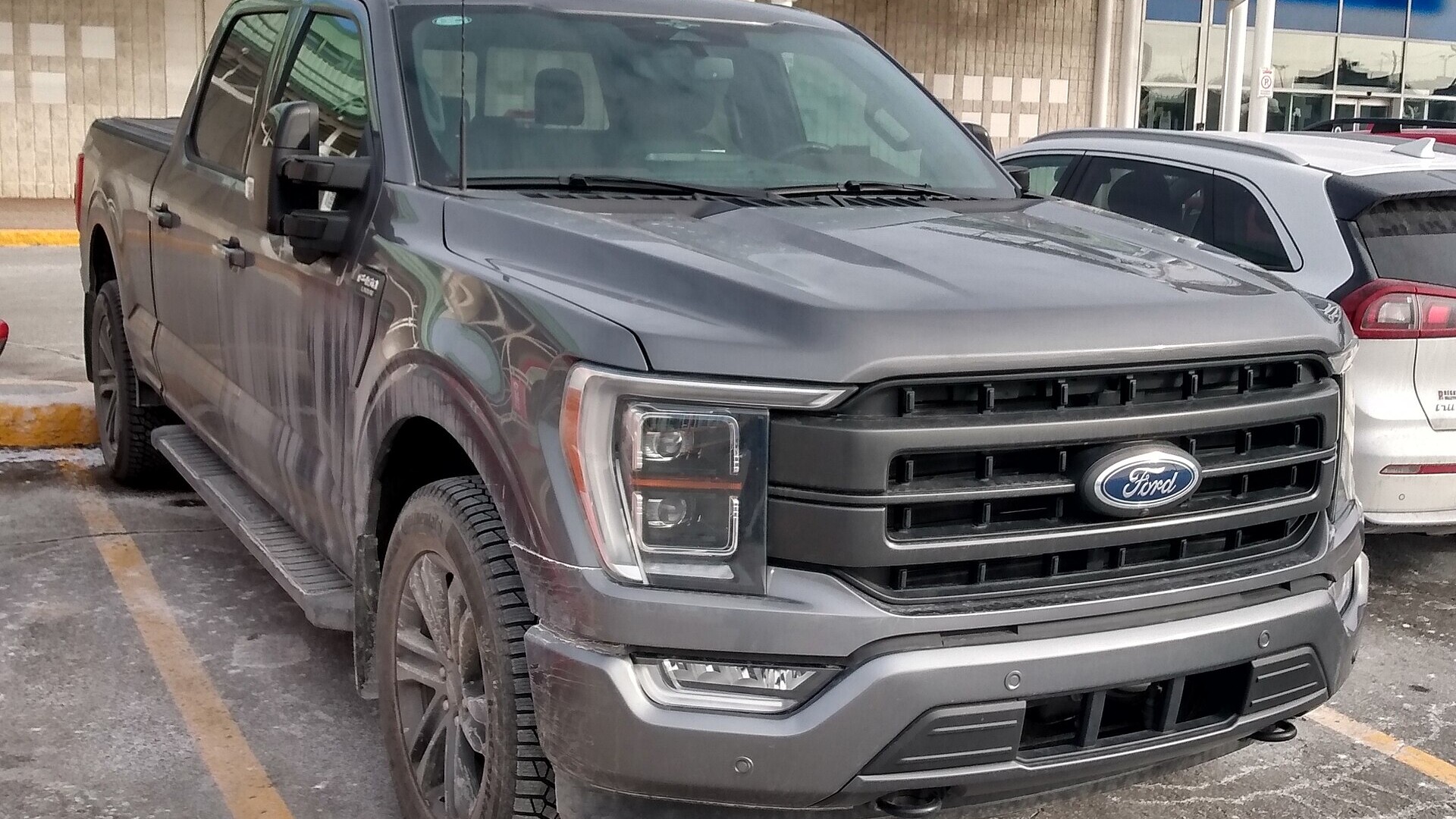
| 26V689 | 2026-2027 Ford F-150; 2026 F-250, F-350, F-450 Super Duty | 30,123 | Left-side tailgate cable may fail under certain heavy load conditions and let the tailgate drop onto the rear bumper | Dealers replace the left-side cable. Interim letters Dec. 14; remedy letters expected January 2027 |
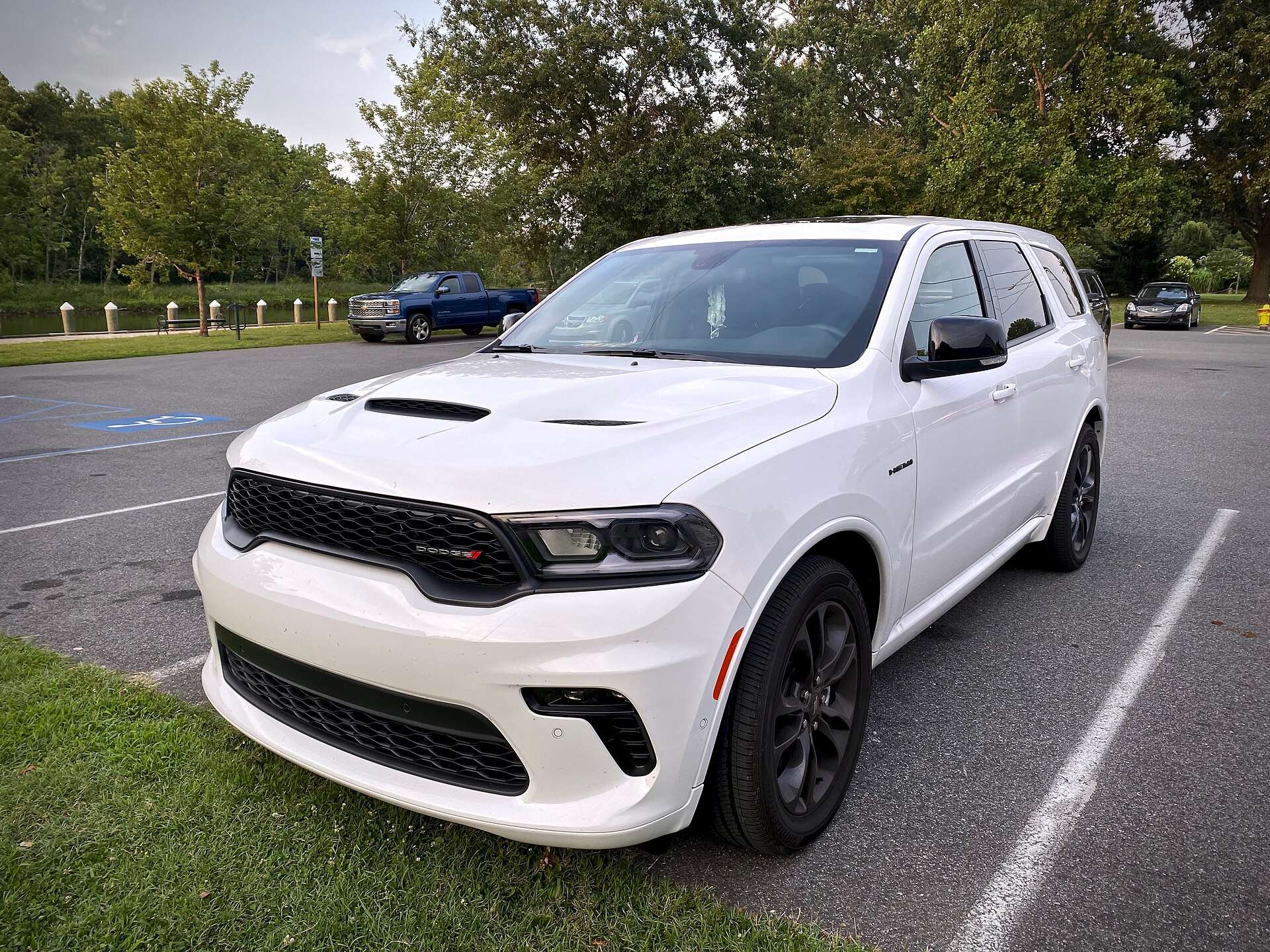
| 26V701 | 2026 Dodge Durango | 13,330 | Damaged terminals in the tail light wiring harness may cause the tail lights to fail, which violates FMVSS No. 108 | Dealers inspect and replace tail light assemblies as needed. Letters Dec. 3 |
| 26V695 | 2018-2020 BMW 530e; 2018 BMW 740Le xDrive | 45 | Positive battery cable on the starter may loosen and spark, raising the risk of fire | Dealers inspect the starter and replace it if needed. Letters Dec. 11 |
| 26V696 | 2026 Chevrolet Traverse; 2026 GMC Acadia | 4 | Insufficient welds where the seatback recliner pivot joins a bracket on the driver or front passenger seat frame | Dealers replace the seatback frame. Letters Dec. 7 |
The Durango’s tail light recall is a wiring problem on 2026 models. It is a separate matter from the water that collects in the racetrack taillamp on 2018 to 2024 Durangos, which is the subject of Stellantis’ warranty extension. FMVSS No. 108 is the federal standard for lamps and reflective devices, and NHTSA’s record cites it because a lamp that can fail does not meet it.
The BMW recall covers 45 vehicles that NHTSA’s record says were previously repaired under Recall 26V441. That was the starter relay recall on 29,119 BMW plug-in hybrids, which The Auto Wire reported in July. NHTSA’s summary of the new recall does not say whether the earlier repair is what left the cable loose. The GM recall lists four vehicles, which makes it the smallest of the five.
Four of the five filings trace back to how the car was built or fixed, not to a part that wore out: a supplier’s undisclosed oil change, weak welds, damaged terminals and a cable that can loosen on cars that already had one recall repair. GM’s L87 engine recall has the same origin, with suppliers blamed for sediment and out-of-specification crankshafts, and NHTSA is now checking whether that repair worked. Owners can check a VIN at NHTSA’s recall lookup. For the Ford tailgate recall, the search opens December 7.
If your Nautilus Hybrid threw a ‘Shifting System Error’ on the highway tomorrow, what’s the first thing you do, and does the supplier detail change how much you trust the fix?