

Three months after Edmunds found 3-year-old used vehicles selling for a record $32,461, the same class of car set a different record in the third quarter: it sold for an average of $16,562 less than its original sticker price. That is the widest gap Edmunds has on record, topping the $16,252 it logged in the fourth quarter of 2019, according to the company’s Q3 2026 used-vehicle report by Ivan Drury, its director of insights, published Nov. 17.
Prices for the cars themselves stayed high. The average 3-year-old sold for $32,039, a little below the second quarter but up 3.1% from $31,067 a year earlier. The number they are measured against is what moved. These vehicles carried an average original MSRP of $48,601, so the typical one kept 65.9% of its sticker, the lowest share since the first quarter of 2021 and well below the 76.6% peak of the third quarter of 2022. A 3-year-old in late 2026 is generally a 2023 model, and its first owner paid 2023 prices for it.
The 2023 sticker accounts for nearly all of the record gap
The Edmunds report lays out the two moving parts. Since the third quarter of 2022, the average original MSRP of 3-year-old vehicles rose about 19%, from $40,826 to $48,601. Over the same stretch, the average price those vehicles brought on the used market rose 2.5%, from $31,259 to $32,039.
By The Auto Wire’s math, that is $7,775 more on the sticker side and $780 more on the used side. The difference, $6,995, is the entire amount by which the gap has widened since the third quarter of 2022, when 3-year-olds sold for $9,567 under MSRP. Used prices held roughly flat. The record comes from what these cars cost new.
Spread across 36 months, $16,562 works out to about $460 a month in lost value, before a dollar of interest, insurance or fuel. The owner of a 3-year-old in the third quarter of 2022 lost about $266 a month on the same basis. MSRP is also the low end of what many 2023 buyers paid. Edmunds’ third-quarter negative-equity report says people who bought at peak prices, particularly those who paid above sticker or financed over long terms, face a greater risk of owing more than their vehicles are worth. A buyer who paid a market adjustment in 2023 lost that money on top of the average $16,562.
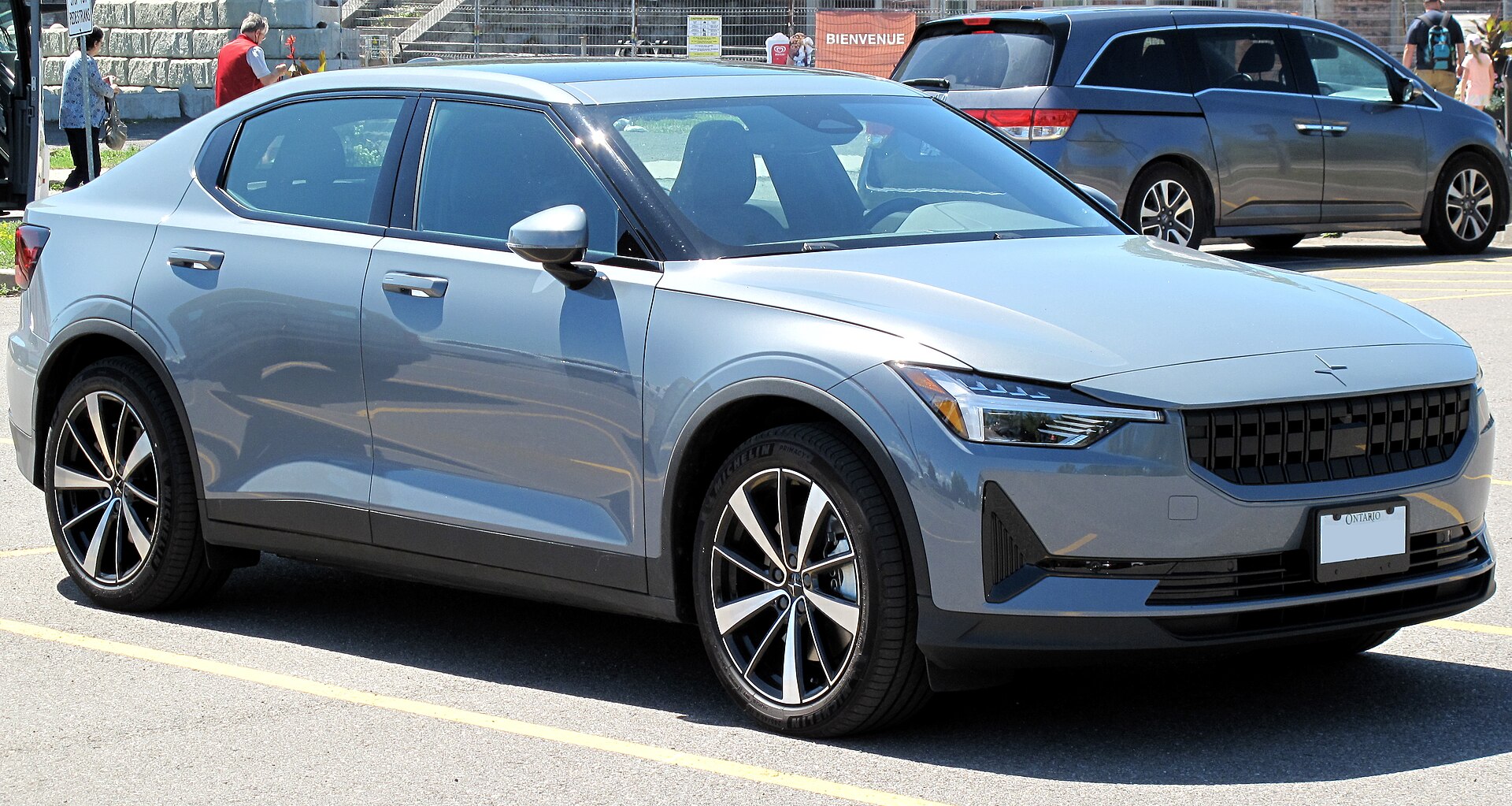
Edmunds also points to the mix of cars. Electric vehicles and plug-in hybrids made up 7.9% of used inventory in the third quarter, up from 3.8% a year earlier, and the company says a shift toward more luxury vehicles may be widening the gap too. Those cars carry high stickers, and the Polestar 2 in Edmunds’ model data below shows how much of one can disappear in three years. The core arithmetic still holds: sticker prices for this group rose about 19% while their used prices rose 2.5%.
Underwater owners on one side, record equity on the other
For an owner who financed a 2023 car and wants out early, the gap shows up as negative equity. Edmunds found 29.1% of trade-ins with outstanding loans toward new-vehicle purchases were underwater in the third quarter, up from 28.1% a year earlier, and those owners owed an average of $7,107 more than their cars were worth. Buyers who rolled that debt into a new loan financed an average of $57,235 at an average 8.1% APR and paid $952 a month, and 91.2% of them signed for 72 months or longer. Edmunds estimates they are on track to pay $16,610 in interest over the life of those loans. That interest rides on a $952 payment, well above the average new-car payment, and more borrowers are already falling behind.
The same market is producing a record in the opposite direction. In a July report, Edmunds said trade-ins with positive equity carried an average of $13,330 in the second quarter of 2026, nearly double the pre-pandemic figure. The most frequent winners, according to Edmunds, are owners of mainstream cars around 7 years old who bought around 2019 on 60- or 72-month loans. Set the two Edmunds averages side by side and the distance between a typical above-water trade and a typical underwater one is more than $20,000.
2023 lessees can hand the loss back
Not every 2023 driver is stuck with the drop. New-vehicle leasing reached 2.59 million in 2023, up 23% from 2.06 million in 2022, according to Edmunds, which says those contracts may be feeding more off-lease vehicles into the used market this year. Closed-end leases are the most common kind of consumer lease, and the Federal Reserve described them in its 1996 rewrite of Regulation M as walk-away leases because the consumer is not liable for the difference between the residual value and what the car is worth at the end. The Fed’s consumer leasing guide puts it in practical terms: a closed-end lessee can return the vehicle at scheduled termination without paying for depreciation beyond what the contract expected, though excess mileage and wear charges still apply.
So when a 2023 lease carries a residual higher than what the car fetches today, the leasing company or the automaker absorbs the shortfall. GM Financial’s August 2026 lease securitization supplement shows how one captive lender handles part of that risk. It sets base residuals from Automotive Lease Guide values, GM may raise contract residuals above that guide, and GM pays GM Financial the difference at the time the lease is written through subvention payments. A lessee whose buyout price is above what comparable cars are selling for can turn the car in and walk. One whose buyout is below market is holding equity that is worth pricing before the keys go back.
The longest third-quarter wait in a decade, led by the Jeep Cherokee
Three-year-old vehicles took an average of 43 days to sell in the third quarter, up from 38 in the second quarter and the longest for any third quarter in at least a decade, Edmunds said. Over the past 10 years, time to sell has typically risen about 5% from the second quarter to the third. This year it rose 13.2%.
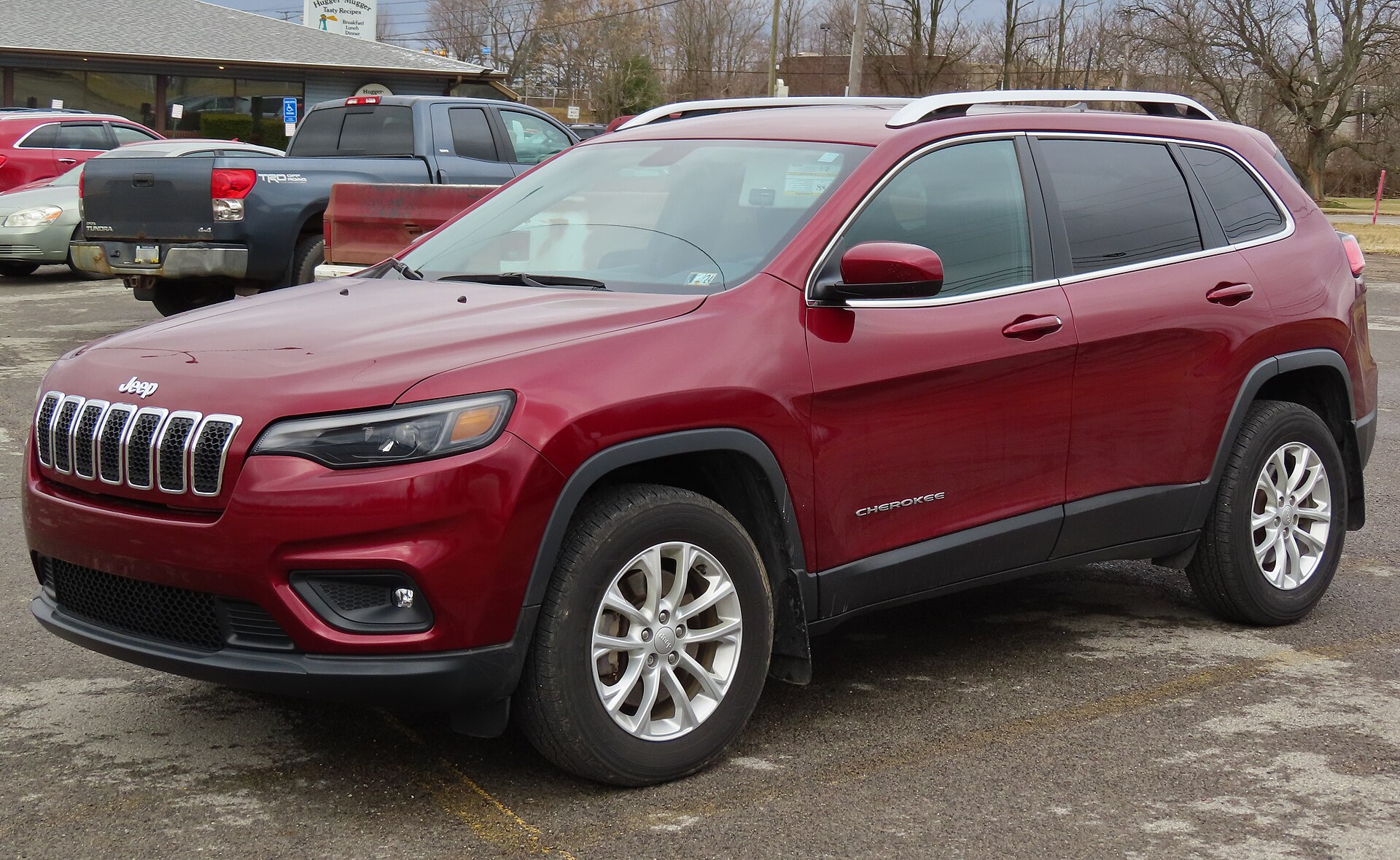

The Jeep Cherokee sat longest, at 64 days. Edmunds’ table of the 20 slowest sellers shows the average 3-year-old Cherokee carried a $42,263 original MSRP and sold for $23,138, keeping 54.7% of its sticker and shedding $19,125. Those Cherokees came out of Stellantis’ Belvidere, Illinois, assembly plant, which the company said in December 2022 it would idle indefinitely that February, Reuters reported at the time. Jeep has also struggled with slow-moving new inventory this year.
Behind the Cherokee came the Chevrolet Silverado 3500HD at 62 days and the Nissan Maxima at 61. The heavy-duty Chevy kept 70.5% of its $75,785 sticker, so a long wait did not mean a fire-sale price. The ends of the table are further apart still. A 3-year-old Polestar 2 sold for an average of $25,475 against a $63,712 original MSRP, keeping 40% and losing $38,237. A Porsche 911 kept 98.9% of a $190,447 sticker, a loss of $2,175. Both took more than 50 days to sell.

Lower trade offers and more room to haggle this winter
Edmunds expects the fourth quarter to bring longer selling times, and its advice to dealers is to price inventory competitively and be realistic about trade-in values so they are not stuck holding cars. For an owner bringing a 2023 vehicle to the trade desk, that points to lower offers. Edmunds’ negative-equity report says keeping a vehicle longer, or paying the loan down before trading, can shrink the hole when circumstances allow. A shopper who can wait is in the opposite spot. Edmunds says buyers who are flexible on make and model and willing to compare prices may find room to negotiate, especially on vehicles that have been on a dealer’s lot for a long time, and a Cherokee that has sat for two months is one of those.
A 3-year-old car now gives back about a third of its sticker, and on a 2023 lease the lender takes that hit while on a 2023 loan the owner does. If you bought a 2023 at peak prices and still owe on it, are you riding it out until it’s paid off, or eating the loss to get out now?