
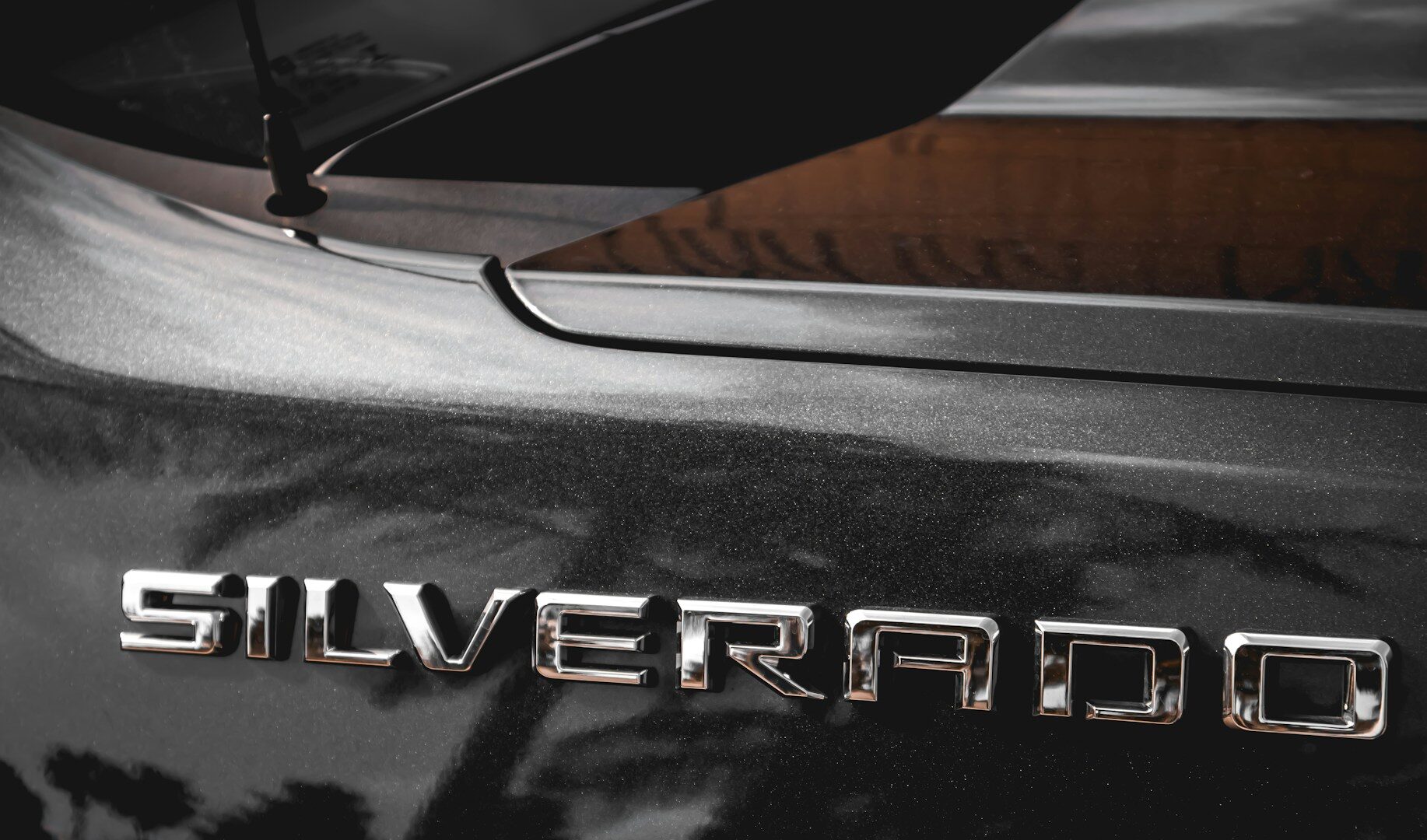
The Ford F-150 and Chevrolet Silverado 1500 remain the titans of the full-size truck world, perennially ranking among America’s best-selling vehicles year after year. Both trucks offer a dizzying range of trims, powertrains, and capability levels, spanning everything from stripped-down work trucks to genuinely luxury-grade haulers. Here’s how they actually stack up on pricing, performance, interior, technology, safety, and reliability for 2026.
Quick Verdict
The Ford F-150 leads with the broadest powertrain lineup in the segment, including the PowerBoost hybrid and class-leading available features, plus the genuinely useful Pro Power Onboard generator system. The Chevrolet Silverado counters with a strong value proposition, a refined ride quality, and excellent trailering technology. Choose the F-150 for versatility and innovation; choose the Silverado for value and towing confidence.
Pricing
Both trucks span an enormous price range depending on trim and configuration. Here’s a snapshot of approximate 2026 starting prices across key trim tiers.
| Trim Level | Ford F-150 | Chevrolet Silverado |
|---|---|---|
| Base (work truck) | ~$38,000 | ~$37,000 |
| Mid-range | ~$55,000 | ~$53,000 |
| Top luxury/off-road | ~$80,000 (Raptor/Limited) | ~$75,000 (High Country/ZR2) |
Performance
The F-150 offers an exceptionally wide engine lineup, ranging from a turbocharged V6 and EcoBoost options to a 5.0-liter V8 and the efficient PowerBoost full hybrid. Maximum towing capacity exceeds 13,000 pounds when properly equipped. The Silverado counters with turbocharged four-cylinder, V8, and Duramax diesel engine options, backed by strong towing capability and a notably smooth, composed ride. Both trucks also offer hardcore off-road variants in the Raptor and ZR2, for buyers who want serious off-pavement capability rather than just hauling power.
Interior
The F-150 offers clever interior touches like a fold-flat work surface built into the console and available Max Recline seats, with materials ranging from rugged work-truck durability to genuinely luxurious in top trims. The Silverado’s interior improved dramatically in recent updates, now featuring a large central touchscreen and noticeably more upscale materials that have closed much of the gap with Ford. Both trucks offer spacious crew cab configurations with excellent rear-seat legroom.
Technology
Both trucks feature large touchscreens with wireless Apple CarPlay and Android Auto standard. Ford’s SYNC 4 system is responsive and offers excellent towing-related aids, while the available hands-free BlueCruise driver assistance system stands out as a genuine highway-driving advantage. Chevrolet’s infotainment system is sharp as well and includes Super Cruise on select trims, along with an industry-leading suite of trailering camera views and dedicated towing apps.
Safety
Both pickups offer comprehensive driver-assistance packages, including automatic emergency braking, lane-keeping assistance, blind-spot monitoring, and adaptive cruise control as available or standard features. Ford Co-Pilot360 and Chevy Safety Assist are both robust, well-developed suites, and each brand also offers an advanced hands-free highway driving system on higher trim levels.
Reliability
Both trucks generally carry solid reliability records, though each has had isolated issues across specific model years. The F-150’s most established engines are well-proven at this point, and its hybrid system has performed reliably in the years since its introduction. The Silverado’s V8 engines carry a long track record of their own. Both trucks also benefit from massive nationwide dealer and service networks, which makes ownership genuinely convenient regardless of which one you choose.
Pros and Cons
Ford F-150
- Pros: Broadest powertrain lineup in the segment, hybrid option, Pro Power Onboard, clever interior features, BlueCruise
- Cons: Top trims get genuinely expensive, some tech features carry a learning curve
Chevrolet Silverado
- Pros: Strong overall value, refined ride quality, excellent towing technology, available Duramax diesel and Super Cruise
- Cons: Base interior trims trail Ford’s, fewer electrified powertrain options
Final Recommendation
If you want the most versatile lineup available, the broadest range of powertrains including a genuine hybrid option, and class-leading feature innovation, the Ford F-150 is the do-it-all champion of the segment. If you prioritize value, a smooth ride, and best-in-class towing technology, the Chevrolet Silverado is a compelling and often more affordable alternative. Both are outstanding full-size trucks in their own right, so the smarter approach is matching the truck to your specific towing, budget, and feature needs rather than picking a default winner.
Frequently Asked Questions
Which truck tows more?
Both trucks can tow well over 13,000 pounds when properly equipped. The exact maximum depends heavily on the specific configuration, engine choice, and towing package selected, so it’s worth checking the figures for the exact build under consideration.
Does the F-150 offer a hybrid?
Yes. The F-150 PowerBoost is a full hybrid powertrain that improves fuel efficiency while also powering the available Pro Power Onboard generator system, which can run tools and appliances directly from the truck’s onboard power.
Which has better towing technology?
Both are excellent in this area, but the Silverado is widely praised for its comprehensive suite of trailering camera views and dedicated apps, while the F-150 offers strong towing aids along with available hands-free driving assistance for highway towing specifically.