
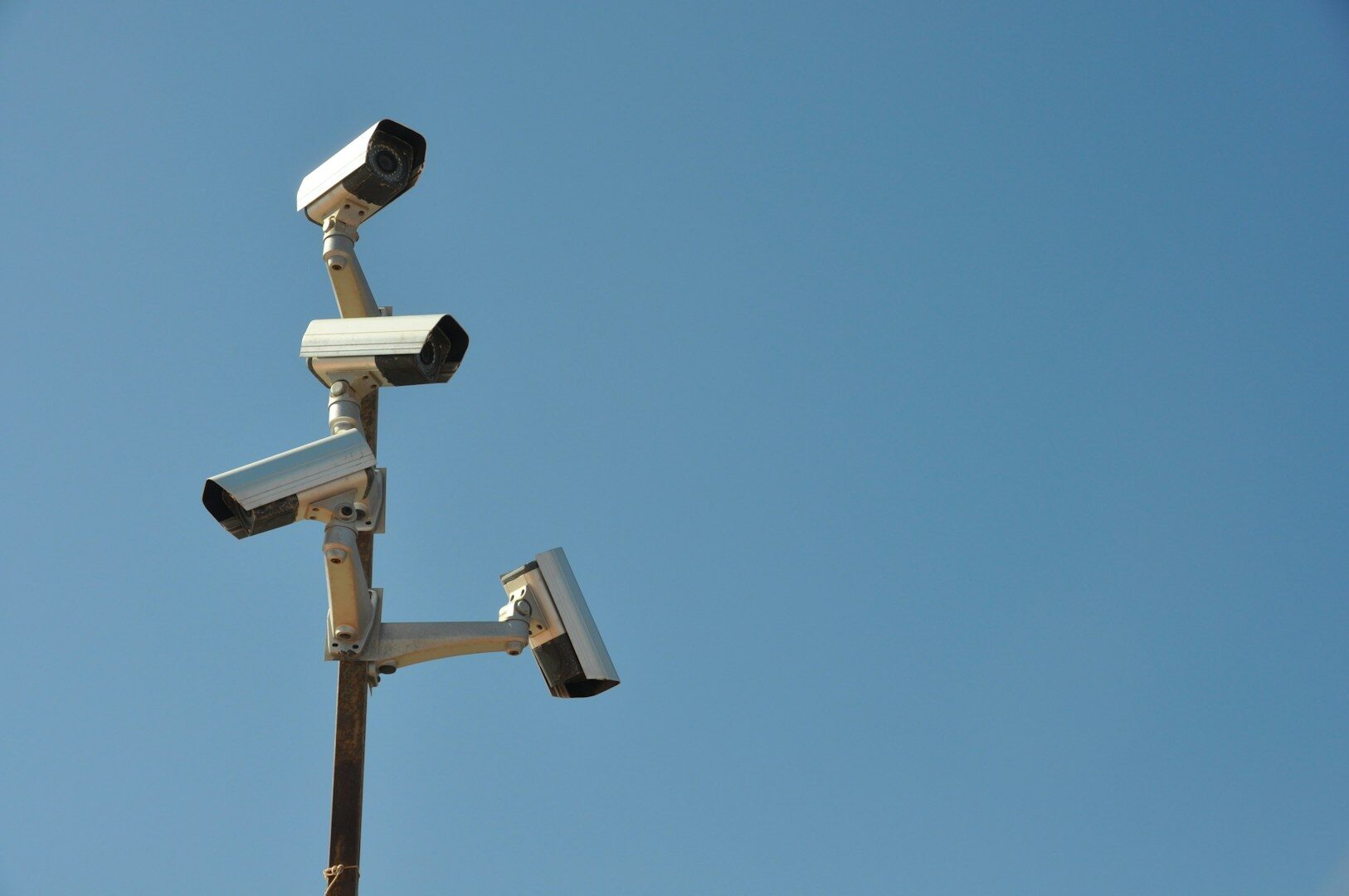
Nine months ago, DeKalb County Flock cameras were unveiled with a promise: “safeguards to ensure transparency, accountability, and ethical data use.” Last Friday, a sergeant with seventeen years on the job became the test case for what that promise was actually worth.
Sgt. Kabiru Salawu was fired and arrested on July 17, accused of illegally searching DeKalb County’s Flock Safety license plate database for reasons that had nothing to do with police work, according to the sheriff’s office. He faces a felony count of violating his oath of office and a misdemeanor count of misusing license plate data. He’s also the newest name on a list that’s grown uncomfortably long this summer: a Greene County deputy in June, three Cherokee County deputies days later, three Fayetteville police officers fired the same morning as Salawu, and five Albany officers arrested eleven days earlier in a case The Auto Wire covered in depth. Six agencies. At least thirteen officers. Six weeks.
That’s not really a story about thirteen bad employees. It’s a story about what happens when a nationwide vehicle-surveillance network finally gets audited by something other than a human being who has to decide, on a given Tuesday, to go looking for trouble.
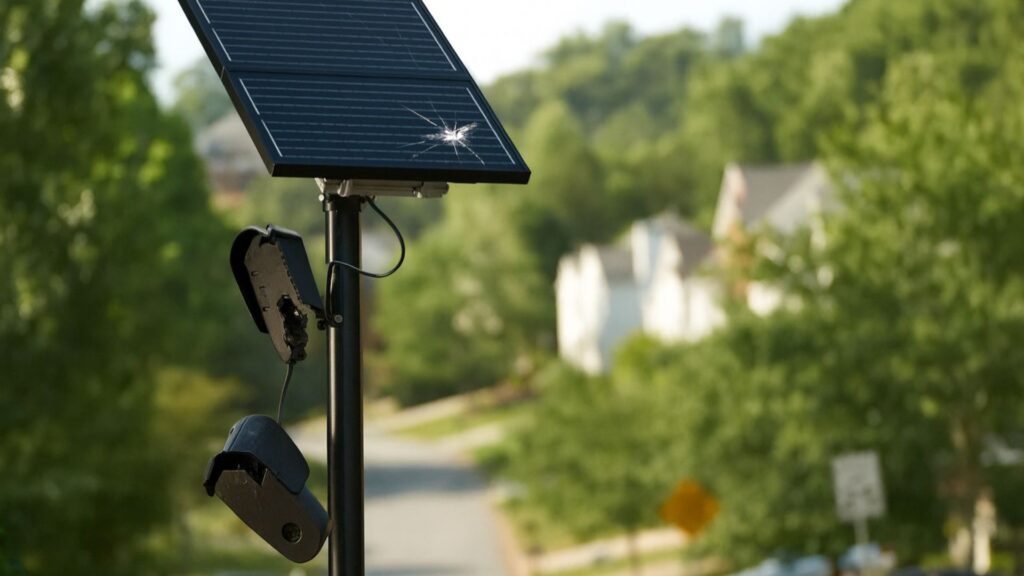
The Promise DeKalb Can’t Un-Announce
DeKalb’s timing is almost too on the nose. On October 1, 2025, CEO Lorraine Cochran Johnson announced Digital Shield, an $18.9 million countywide expansion of Flock Safety cameras, unanimously approved by the Board of Commissioners. The county’s own announcement listed transparency, accountability, and ethical data use as headline features, right alongside stolen-vehicle recovery and faster investigations. Nobody wrote that line expecting a sergeant in the same department to test it within a single budget year. He did anyway.
What These Flock Cameras Actually Know About Your Car
Here’s the detail most drivers miss, and it matters if you’ve ever assumed a dirty plate or a plastic cover keeps you anonymous. Flock’s cameras don’t rely on plates alone. The company’s own system builds what it calls a Vehicle Fingerprint: a profile of a car’s make, model, body style, paint color, and features like roof racks, bumper stickers, and existing damage. A camera that misses your plate entirely can still flag your car by its cracked bumper and the parking sticker on the windshield. That’s not an accident. It’s the pitch.
The Snitch Nobody Budgeted For
Thirteen officers didn’t get caught in six weeks because Georgia suddenly produced a wave of curious cops. They got caught because the receipts were built into the product from day one. By Flock’s own account of how misuse surfaces, every search is tied to an individual user, requires a stated reason connected to an actual offense, and lands in a permanent log that supervisors, and increasingly the company’s own audit tooling, can review after the fact. Flock CEO Garrett Langley has said misuse “undermines the work first responders do,” and that the built-in log is what holds officers accountable.
That’s a genuinely different accountability model than policing has ever had. For most of American law enforcement history, misuse of a sensitive database surfaced because a victim got hurt, noticed, and complained, months or years later, if ever. A vendor’s dashboard flagging a search pattern before anyone gets hurt is a different structure entirely, and it’s one no legislature designed or asked for. DeKalb County Flock cameras didn’t build an oversight office alongside Digital Shield. It bought one, bundled into the camera contract.
Georgia Already Saw This Coming
Georgia doesn’t prosecute this kind of abuse as generic misconduct. Misuse of License Plate Data is its own standalone criminal offense, separate from Violation of Oath of Office, and it’s a misdemeanor while the oath violation is a felony. That hierarchy is worth sitting with: lawmakers treated the act of quietly running a stranger’s driving history as a lesser crime than the more abstract violation of an officer’s oath, even though the plate search is the part that actually touches an ordinary driver’s life.
The Court Case That Could Upend the Whole Arrangement
There’s a bigger legal reckoning sitting just off the coast of all this. On June 29, the U.S. Supreme Court ruled 6-3 in Chatrie v. United States that a geofence warrant, a request that sweeps up bulk location data on everyone near a given place and time, counts as a Fourth Amendment search. The case involved Google location records, not license plate cameras, but the logic travels: any system capable of reconstructing where a specific car was at a specific time, without a warrant naming that car, now sits on shakier constitutional ground than it did in June. Nobody has applied that reasoning to a Flock network in court yet. Give it time.
What to Remember
Salawu’s case will move through the DeKalb County court system the way the others before it have, and it will probably end quietly: a plea, a resolution nobody outside the department remembers by winter. The camera at the end of your subdivision won’t remember him either. It’ll keep doing exactly what it was built to do, logging your car’s color, its dented fender, its bumper sticker, and its plate, waiting for the next person with a login and a bad idea. DeKalb County Flock cameras didn’t just spend $18.9 million onthis networkcameras. It bought a permanent, searchable record of everyone who drives through the county, then handed the only real oversight mechanism to the company that sold it the hardware. That arrangement is what caught Salawu. It’s also what made him possible in the first place.