
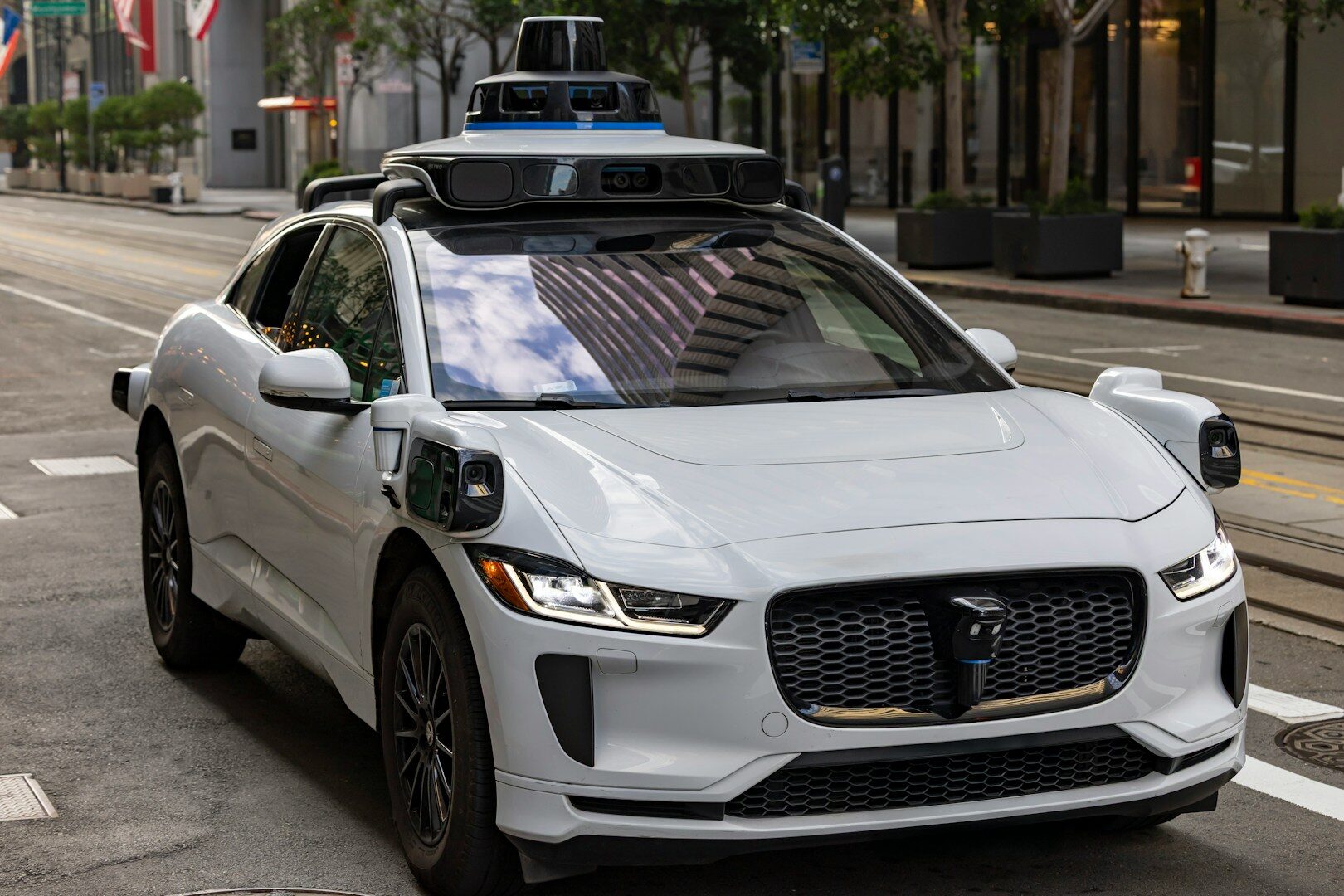
On June 20, an empty Zoox robotaxi drove into a wall of smoke on a street in Las Vegas, hard-braked, tried to steer around a fire scene it couldn’t see, and stalled out short of it. What got the car moving again wasn’t its cameras, its lidar, or a single line of self-driving code. It was a person sitting at a screen somewhere else, who told the vehicle to reverse.
That detail, buried near the bottom of Zoox’s own recall filing, is the real story. The smoke, the software patch, the 105 recalled vehicles: all of that is scaffolding around one uncomfortable fact. The backstop for a “driverless” car is still a human. He or she just isn’t in the car anymore.
What Actually Happened in Las Vegas
According to the report Zoox filed with the National Highway Traffic Safety Administration, the vehicle involved was unoccupied and approaching an active emergency scene that first responders hadn’t yet marked off with cones. Heavy smoke obscured the area. The robotaxi’s perception system didn’t treat the smoke as a reason to stop, so it drove into it, then braked hard and tried to steer away once conditions worsened. It came to a stop instead, short distance from a working fire crew.
A Zoox employee working in what the company calls teleguidance, essentially a remote operations role that watches the fleet through onboard cameras, instructed the car to back out. First responders then set cones around the scene. Zoox says no one was hurt and describes the incident as the only one of its kind the company has logged.
The Fix Nobody Is Talking About
Zoox notified NHTSA of the recall on July 8, then pushed a software update to the affected vehicles so their perception and planning systems treat heavy smoke as an obstacle rather than empty air. That’s the headline fix, and it’s a real one worth having.
But the update doesn’t touch the part of the story that should worry anyone paying attention: the car did not solve its own problem. A remote employee did. Zoox’s robotaxis have no steering wheel and no pedals for anyone to grab in an emergency. When the automation fails at the exact moment it matters most, the fallback isn’t a passenger seizing control. It’s a call to an operations center and a stranger nudging the vehicle from somewhere that isn’t the fire scene at all.
The Timing Is Too Clean to Be Coincidence
July 8 is also the exact date NHTSA Administrator Jonathan Morrison published a public letter to every automated vehicle developer operating in the United States, warning that the agency had identified a clear pattern of driverless AVs interfering with law enforcement and other first responders. Morrison gave developers until the end of the month to show up with solutions.
Zoox’s recall notice landing on the same day as that letter is either a remarkable coincidence or a tell. Federal recall notices don’t materialize overnight. A company doesn’t discover a defect, investigate it, draft a formal filing, and submit it to a federal safety agency between breakfast and lunch. The more likely read: Zoox knew the letter was coming and wanted its paperwork on file before regulators could point at it by name.
A “Recall” That Never Touches a Driveway
It’s worth pausing on what “recall” even means here, because it isn’t what most car owners picture. A traditional recall means a manufacturer mails letters to owners, who then drive their trucks or sedans to a dealership to get a physical part replaced. That process can take months and never reaches every owner.
Zoox skipped almost all of that. The company owns and operates its entire fleet, so “recalling” 105 robotaxis meant pushing a software build overnight to vehicles it already controls, with no owner letters mailed at all. It’s less a recall than a patch, filed under the same federal designation because current rules don’t cleanly separate a software defect from a mechanical one. That’s not a flaw in the process so much as a sign of how fast a defect can move from discovery to correction when the fleet operator is also the manufacturer, the service department, and the owner all at once.
Zoox Isn’t the Only One, and That’s the Bigger Story
This is Zoox’s second wave of software recalls in about a year, following earlier fixes for lane-crossing errors and the car’s ability to predict how pedestrians and other vehicles would move. It isn’t even the largest robotaxi recall of the summer. Waymo recalled nearly 3,900 vehicles in June after its cars kept driving into closed construction zones on freeways.
Two different companies, two different sensor suites, two different failures, one identical root cause. Robotaxis are excellent at reading permanent traffic infrastructure: lane lines, signals, posted signs. They are much worse at reading improvised human chaos: a fire crew waving people off, a construction flagger, smoke where there shouldn’t be any. NHTSA’s letter didn’t name a single company. It didn’t have to. The pattern is the point.
The Irony Sitting Right Next to This Story
A few weeks before Zoox filed this recall, NHTSA finalized a rule dropping the steering-wheel requirement for robotaxis, around the same time the agency was drafting a warning about robotaxis failing to yield to first responders. Take the wheel and pedals out of a vehicle, and you also take away the one option available to anyone standing next to a stuck robotaxi: climb in and manually move it. What’s left is a call center somewhere else and however long it takes a teleguidance operator to notice.
What to Remember
The car didn’t back itself out of the smoke. A person did. That’s the entire robotaxi industry compressed into one sentence, and it’s worth remembering the next time a company announces its fleet is “driverless.” The driver didn’t disappear. He or she just moved into a building you’ll never see, watching through a camera, waiting for the moment the software runs out of ideas.