
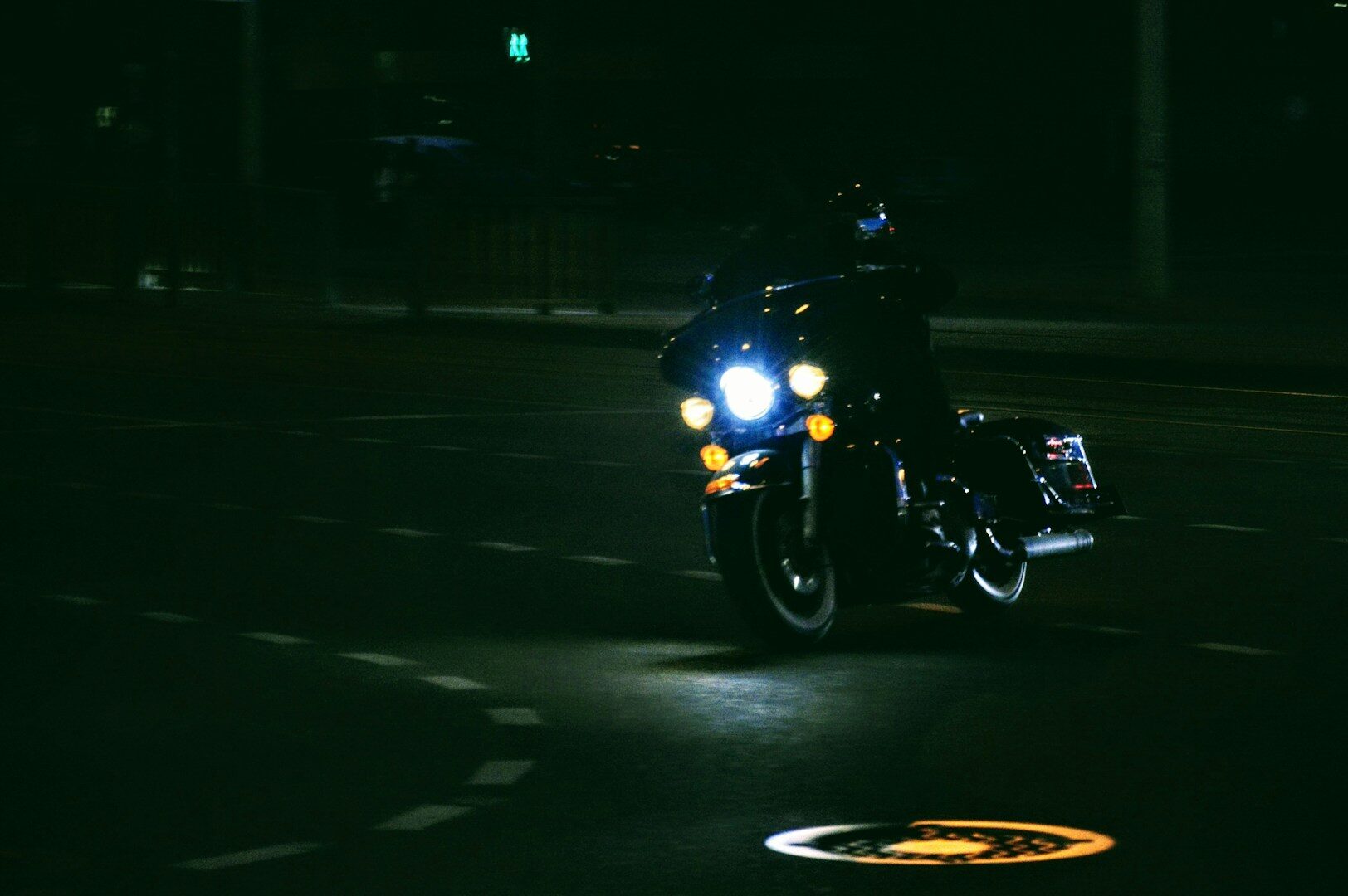
The most important decision in this story doesn’t belong to the guy on the motorcycle. It belongs to the trooper who chose not to chase him.
Early Sunday morning on Interstate 75 near Bradenton, a Florida Highway Patrol trooper rolled up on a crash involving two motorcycles. One rider was hurt. The other, 20-year-old Jason Ortiz, was standing right there. According to the arrest report, the trooper keyed his PA and told Ortiz something almost quaint by modern policing standards: “Do not run, you are not in trouble.” Ortiz ran anyway, kicking his bike back to life instead of having a conversation.
What the trooper did next is the part worth studying. He didn’t stand on the throttle. He let Ortiz think he’d gotten away, then closed the gap with lights and sirens once the motorcycle slowed down on its own. That’s not hesitation, that’s restraint born of policy. Most agencies, FHP included, have spent years tightening the math on when a pursuit is worth the risk it creates for everyone else on the road who didn’t do anything wrong.
Ortiz bolted a second time anyway. This time the decision got made for him. Heavy smoke poured off the bike, then flame, and Ortiz pulled over not because he wanted to but because the machine underneath him quit. He reportedly tried to restart it and keep running. The trooper nudged the burning motorcycle with his patrol car to end that idea, then physically dragged Ortiz away from the fire.
Here’s the detail almost every retelling of this story skips: that motorcycle didn’t spontaneously combust. It had already absorbed a collision minutes earlier. A bike that’s taken an impact isn’t the same machine it was ten minutes before, even if it still starts and rides away. A fuel line nicked in a crash, a tank seam stressed just enough to weep instead of rupture outright, bodywork pushed a half-inch closer to a header pipe running several hundred degrees hot, none of that announces itself immediately. It shows up later, usually once the engine gets run hard again, which fleeing from a state trooper tends to guarantee. Riding away from a crash on a compromised bike isn’t just dodging a citation. It’s running an uncontrolled experiment in combustion.
The charges tell the same story as the fire: bad decisions compound fast. Ortiz is now facing a felony hit-and-run count for leaving an injured rider behind on the interstate, plus felony aggravated fleeing, reportedly counted twice since each attempt is its own charge. Add a couple of misdemeanors for riding an unregistered motorcycle without a valid license, and a routine crash response turned into a two-felony arrest before sunrise. It’s the same arithmetic that turned a stolen Cadillac and a loose dog into a multi-felony mess in Wisconsin last week: fleeing rarely adds just one charge. It tends to add whatever the original stop would have carried, plus everything that happens while the engine keeps running.
There’s an insurance wrinkle here too, and owners rarely think about it until it’s too late. A motorcycle that catches fire during a police interaction, after already being involved in a collision, hands an adjuster two separate causes to investigate instead of one before anyone gets paid. For the rider Ortiz allegedly hit and left behind, the situation cuts the other way. Hit-and-run victims typically have to lean on their own uninsured motorist coverage to get made whole quickly, since collecting restitution through a criminal case can take months or years, the same bind facing victims in cases like the McLaren driver’s alleged red-light crash in Chicago.
None of this required a high-speed chase in the way that phrase usually gets used. A trooper who declined to give one, a suspect who ran anyway, and a motorcycle that had already taken more damage than its rider realized. That last part matters more than the video does. Bikes get treated as disposable after minor spills all the time, and most of the time nothing happens. This is what it looks like when something does. The trooper didn’t win this standoff. The motorcycle ended it first, by quitting on its own terms.
It’s also a reminder of how differently the roads read for two-wheeled traffic. The same week Mazda was busy proving how well a modern crossover can stop short of a motorcycle in a lab, a real one on I-75 was proving how little margin these machines have once physics gets involved off the test track.