
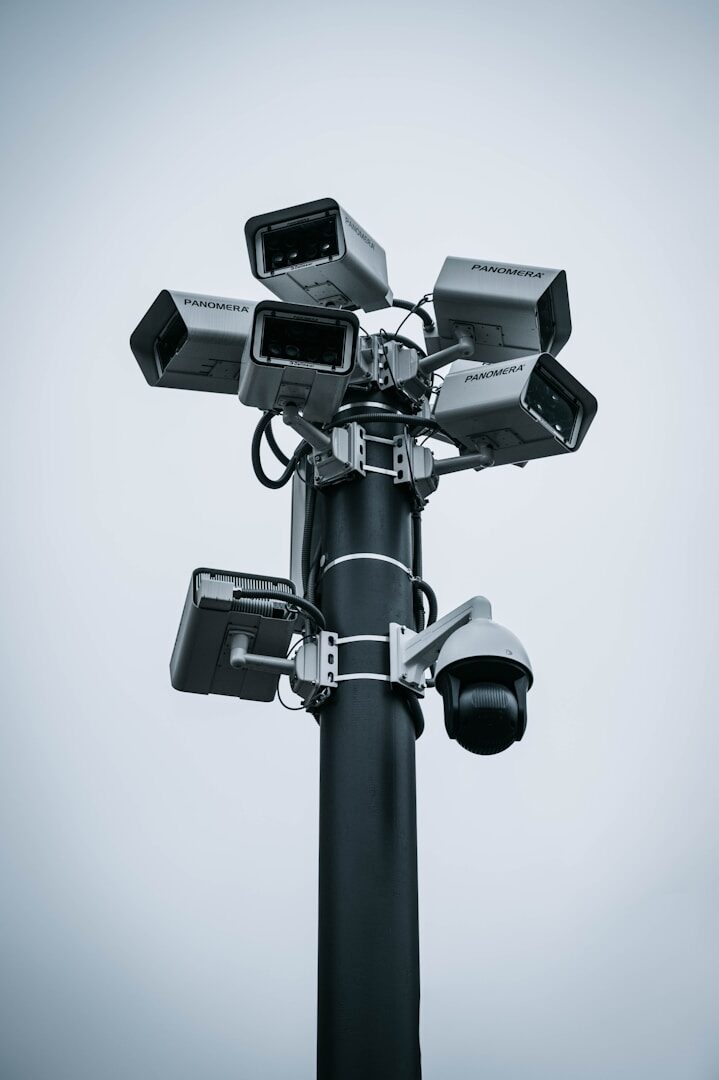
Somewhere in Killingworth, Connecticut, population barely 6,500, a handful of elected officials just made the same call as the Los Angeles Police Department, the country’s second-largest police force. Both walked away from Flock Safety’s license plate camera network within weeks of each other. That’s the real story hiding under this summer’s headlines about sawed-through camera poles and heated sheriff’s office Facebook threads: the backlash against automated license plate readers has stopped being a fringe privacy complaint and started being an administrative decision, made by the same governments that signed the contracts in the first place.
The immediate news out of Connecticut was mundane enough. Milford police opened an investigation on July 15 after several Flock cameras along Boston Post Road were vandalized. But buried in that same report was the more interesting detail: Windsor and Killingworth had already installed Flock cameras and are now taking them out, not because of vandalism, but because officials couldn’t get comfortable with who else could see the data. “It’s being tracked where you are, where you’re going,” Killingworth First Selectman Eric Couture said. The concern even reached the governor’s race. Ned Lamont told debate viewers the data “stays in Connecticut” and gets deleted. State Rep. Josh Elliott wasn’t buying it, arguing the only real guarantee is if “the data isn’t collected in the first place.”
Two weeks earlier, the LAPD had already made Elliott’s argument in practice rather than debate-stage rhetoric. The department suspended its use of Flock’s 138 pole-mounted cameras after an inspector general audit urged a pause on new deployments until enforceable privacy and oversight rules existed, and after advocacy groups raised concerns that the shared plate database could feed federal immigration enforcement. Flock called the concerns “misconceptions.” The department stopped anyway.
Here’s a fact that should stop any driver cold. According to the ACLU, somewhere between 80,000 and 100,000 Flock cameras are currently bolted to poles across American highways, neighborhoods, and shopping center parking lots. Fewer than one percent of the plates they scan turn out to be connected to any crime or wrongdoing at all. One in ten misreads which state issued the plate. That’s the accuracy record of a system being sold to city councils as precision policing: wrong about a driver’s home state more often than it’s right about anything else.
Here’s a stranger one. When a West Virginia man was accused of ripping Flock cameras off their poles last month, prosecutors didn’t charge him with vandalizing government property. They charged him with destroying equipment used by emergency responders, a felony statute normally reserved for people who sabotage 911 towers and dispatch radios, as Auto Wire reported at the time. The irony almost writes itself: Flock typically leases its hardware to police departments rather than selling it outright, meaning the “emergency equipment” doing the legal heavy lifting in that case may not belong to any government at all. Somebody built a legal shield strong enough to protect ambulances, and a rented pole borrowed the armor.
Flock’s own homepage promises “local control,” insisting communities decide how the technology gets used. Georgia’s enforcement record says otherwise. A Conyers crime center supervisor was arrested this month for running her domestic partner’s plate more than 30 times over four months, a case Auto Wire covered in detail, and one that pushed the documented count of Georgia officers disciplined for personal Flock searches this year alone past twenty. What made that possible wasn’t a rogue employee with a grudge. A Flock camera never belongs only to the department that installed it. Agencies share access across county and state lines by design, meaning a plate captured in Killingworth could, with the right permissions, be pulled up by someone who has never set foot in Connecticut. That’s the mechanism Elliott was describing on that debate stage, whether he had the technical language for it or not.
The legal and political fights are stacking up just as fast as the local ones. A class-action lawsuit filed last month accuses a New York county of scanning residents’ plates without authorization. A Fourth Circuit case, fed by a recent Supreme Court ruling on cellphone location tracking, could decide whether any of this requires a warrant at all. Congress has already tried once, through a bipartisan highway funding amendment, to restrict how ALPR cameras get used nationwide. None of those fights get settled with a saw and a solar panel. But the towns quietly un-installing cameras this summer may be doing more damage to Flock’s map than any of it.
There’s an angle here easy to miss if you only read Flock as a policing story. The company doesn’t sell cameras. It leases a subscription, installation, maintenance and software updates bundled in, the same recurring-revenue model automakers have been building into cars themselves, from remote-disabled ignitions to subscription heated seats. A license plate was never designed to be a login credential. It was stamped metal, meant to let a stranger identify your car after a hit-and-run, nothing more. Somewhere in the last decade it quietly became the input for an AI-sorted, cross-jurisdictional tracking product, monetized the same way a car company monetizes remote start, and nobody holding a plate ever got a vote on the upgrade.
That’s the part worth remembering after the sawed-through poles in Milford get replaced. The bolt cutters make the news. The city councils and inspector generals quietly ending contracts are the ones actually capable of shutting this network down, one town at a time. This summer, for the first time, they started doing it faster than Flock could sign new ones.