
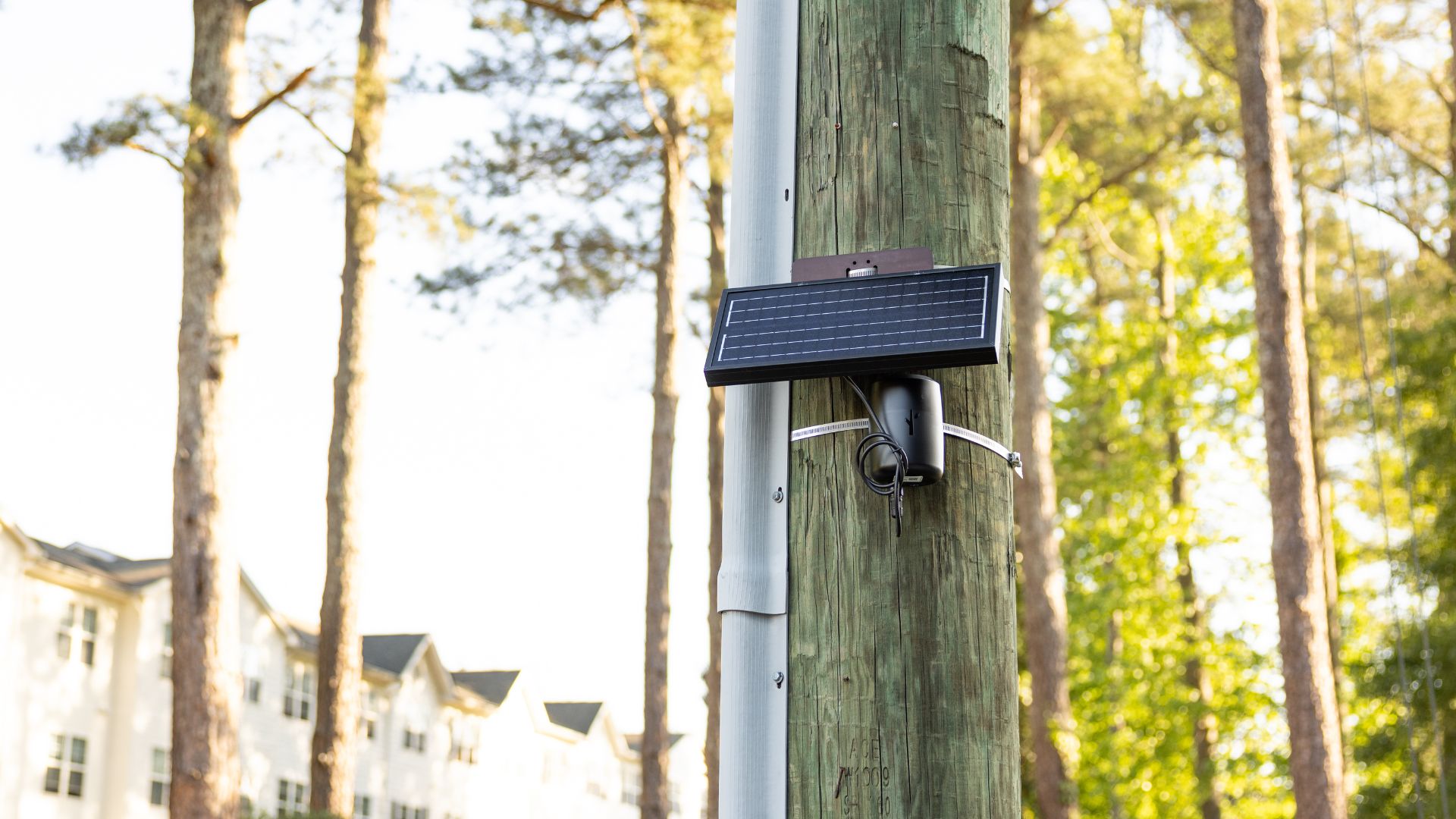
The camera did exactly what it was built to do. That’s the uncomfortable part. On August 6, a car merged onto Interstate 94 outside Milwaukee and rolled past a Flock Safety license plate reader. The system matched the plate to an active homicide investigation and pushed a wanted-vehicle alert to nearby patrol units. Minutes later, Brookfield officers had the car pulled onto the shoulder, weapons drawn, ordering the occupants out. Body camera video obtained by WDJT shows what happened next: the people inside weren’t suspects. Milwaukee police had already cleared the vehicle from the homicide case. The alert just never got turned off.
“MPD staff inadvertently did not remove a vehicle alert from the system,” Milwaukee police said afterward, which is about as complete an explanation as anyone has offered. Not a hacked network. Not a misread plate. Not a glitch in the machine-learning model. A person closed a case and forgot to delete the flag telling every camera in the region to treat that car like a rolling emergency.
That distinction is the whole story, and it’s worth sitting with for a minute, because it isn’t the story Flock or its critics usually tell.
Flock’s accuracy record has taken plenty of hits this year, including one Auto Wire has covered directly: a Roseville, California department found the system misreading plates in most of the felony alerts it generated, a rate that would get any other piece of safety equipment pulled from service. But this wasn’t a misread. The plate was read correctly. The car really did belong to someone Milwaukee police had, at one point, wanted to talk to about a homicide. The failure happened after the investigation moved on, in the unglamorous business of database housekeeping.
Flock has spent much of 2026 marketing itself as newly serious about privacy. This month, the company touted a cut to its default data retention window, from 30 days down to 7. That number applies to raw plate-read logs, the ordinary record of every car that passes a camera, innocent or not. It does not apply to hot-list entries, the wanted or stolen or suspect flags that an agency’s own staff type in and, evidently, sometimes forget to type back out. Flock’s own license plate reader policy tells officers to confirm a match before acting on it. That instruction assumes a computer might mistranslate a plate. It has no answer for a computer accurately reporting a fact that stopped being true three weeks earlier.
Car people have actually seen this failure mode before, just wearing a different uniform. A loan gets paid off, but the lender is slow to file the lien release, and the title stays clouded at the DMV for months. A vehicle gets rebuilt after a salvage title, but the branding never gets corrected in every state’s records, so it keeps popping up as wrecked a decade later. States built systems like the National Motor Vehicle Title Information System specifically because paperwork describing a car’s past has a habit of outliving the event it describes. Nobody ever drew a gun over a stuck lien release. But the underlying failure, a database that only moves forward and never gets cleaned up, is the same one that put handcuffs on an innocent person in Wisconsin.
It isn’t new to policing, either, even if the cameras are. In 1995, the Supreme Court dealt with a nearly identical scenario in Arizona v. Evans: a man was arrested on a warrant that court staff had recalled weeks earlier but never removed from the database an officer checked. The Court let the arrest stand, reasoning the error belonged to a court employee rather than the officer, so there was no misconduct left to deter. Herring v. United States reached a similar conclusion in 2009 after a different county’s sheriff’s office failed to update a warrant that had already been withdrawn. Both cases turned on the same idea: a stale record isn’t a constitutional violation if the officer reasonably relied on it. Flock hasn’t invented a new legal problem. It has mass-produced an old one and wired it directly into highway traffic.
That’s the part that should give drivers pause. A warrant database gets checked when an officer runs a name. A Flock network checks every car that passes a camera, continuously, without anyone asking it to. Brookfield’s officers didn’t go looking for that vehicle; the system found it for them and told them to draw down. Multiply one un-deleted flag by the thousands of cameras Flock has installed in communities nationwide, and the odds of administrative housekeeping turning into a gun-drawn stop on an innocent driver stop looking like a fluke and start looking like a schedule.
The Auto Wire has tracked these incidents one by one since July, and a pattern keeps surfacing that has nothing to do with artificial intelligence misreading plates: it’s agencies not maintaining the lists behind them. Earlier this month, a typo on a press-fleet Range Rover flagged it as stolen nationwide. Flock published a report claiming an 11 percent drop in car theft that left out how the number was calculated. The company’s own CEO compared banning the cameras to banning cars, an argument his own privacy policy quietly undercuts. Add Wisconsin to the ledger, and the throughline isn’t the algorithm. It’s data entry.