
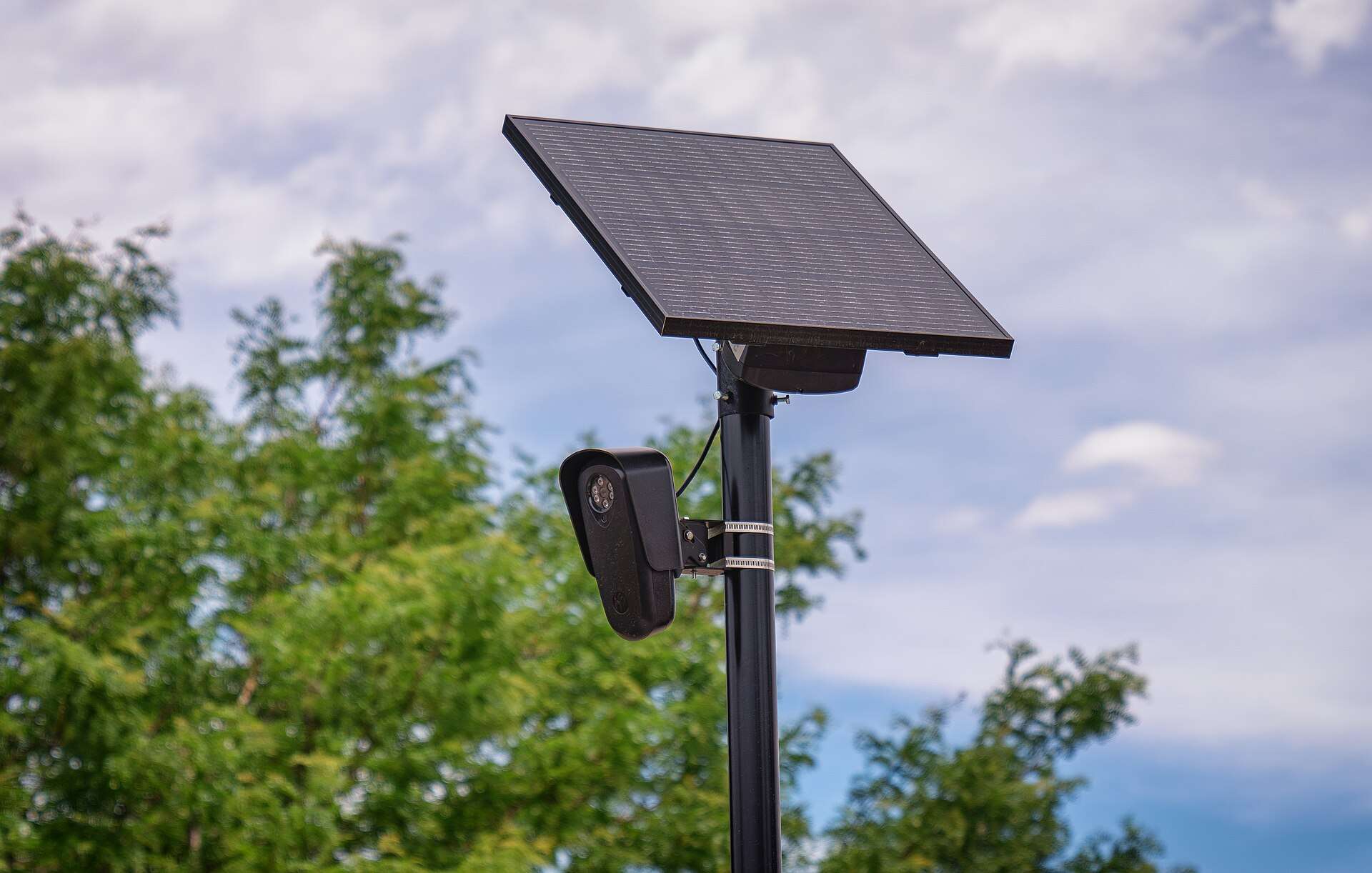
A license plate camera is the easy part of a license plate camera business.
The hardware is a small box, a solar panel and a cellular modem. It can be built in a factory by the thousands and bolted up in an afternoon. What can’t be built in a factory is the ground it stands on and the public budget that pays for it. Over the last four weeks, Florida and Texas reached for exactly those two things, and Flock Safety, whose cameras it says serve more than 5,000 communities, is now offering its own employees money to leave.
Flock Safety’s troubles are being framed as a privacy fight. That is only half right. The more useful way to read them is as a lesson in infrastructure: a surveillance network built on borrowed roadside and borrowed money is only as permanent as the people lending both.
What actually happened
On August 31, the Florida Department of Transportation sent a memo revoking every license plate reader approval it had granted to local law enforcement for equipment on the right-of-way of the State Highway System. According to the memo’s language as published by WINK News, the agency cited a rapid increase in deployments, concerns about alleged misuse, and data privacy. It gave agencies 30 days to take the hardware down and said it could remove the devices itself if they did not. It also said it would stop approving new requests.
That clock runs out at the end of this month. Sheriffs are already complying. In St. Johns County alone, roughly 180 readers sit on the state road network, and Sheriff Robert Hardwick said they would come down while insisting the technology works.
Texas moved on both levers. Gov. Greg Abbott ordered a halt to state funding for the cameras in late August, and on September 8 the Texas Department of Transportation stopped issuing permits for Flock cameras and other automated plate readers on state roads, including agreements that had been approved but not yet installed. TxDOT described its role as making sure the readers are “installed correctly and safely along state-owned roadways,” according to the Texas Tribune, which had earlier reported that a state agency steered about $30 million toward more than 3,200 Flock cameras.
Then came the internal news. Flock, valued at about $8 billion, has offered voluntary buyouts to its roughly 1,500 employees, a package the company reportedly calls its most generous since its 2017 founding. Terms reported by Inc. include several months of health coverage and up to two years to exercise stock options, with applications due October 2 and departures around October 29. A company spokesperson said new city partnerships have outpaced nonrenewals by roughly 10 to 1 this year.
Both things can be true. A company can be signing new customers and still decide it hired for a future that is no longer guaranteed.
No new privacy law was needed
Here is the part that should surprise anyone who assumed the pushback would come from a legislature. Neither Florida nor Texas passed a statute banning plate readers. Florida’s highway department pulled a permit. Texas’s highway department stopped issuing one.
That permit is the same kind of paperwork that governs a utility pole, a sign or a driveway connection to a state road. It exists because anything placed next to a highway is a potential object for a car to hit, and the state owns the strip of land it sits on. Transportation departments have broad discretion over what goes there. Florida’s memo leaned on exactly that discretion. It did not need to prove a single camera was misused. It only needed to decide it no longer wanted them on its land.
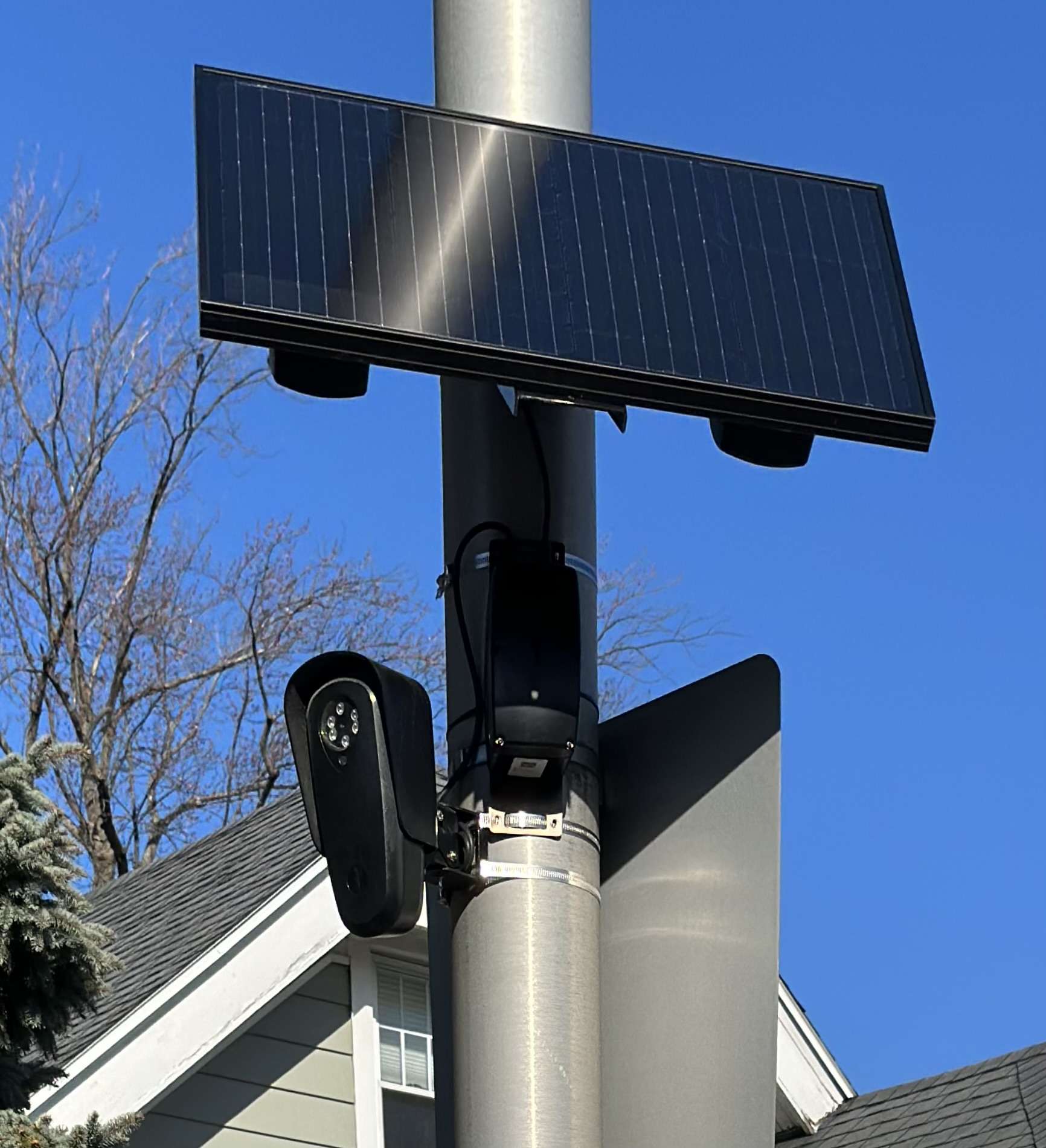
That is the structural weakness in the business model. Flock’s cameras are compact, solar-powered units that mount on a single pole, which makes them quick to deploy. That speed depended on roadside access being easy to get. It turns out access that is easy to grant is just as easy to revoke.
We saw the local version of this problem in St. Lucie County, where officials could not account for dozens of cameras on their own roads. Florida’s statewide order is the same logic at a much larger scale.
The cameras move. They don’t disappear.
Drivers should be careful about reading these orders as the end of plate readers in either state. They are not.
Florida’s order covers the State Highway System right-of-way. City streets, county roads, shopping center parking lots and private property are different land with different owners. A camera removed from a state route can, in many cases, be reinstalled a short distance away on a road a city or county controls. In Texas, the pause covers new permits on state roads; the more than 900 readers operated by the Texas Department of Public Safety were not affected, according to the Tribune.
So the states have regulated where the camera stands. They have done far less about what the camera remembers.
It stopped being about the plate a while ago
Florida law requires your plate to be “plainly visible and legible at all times 100 feet from the rear or front,” free of any obscuring material, under Section 316.605. The state mandates the identifier, dictates its placement, and fines you for covering it. Every driver is required to cooperate with the system that reads it.
But the plate is no longer the only thing being read. Flock’s own description of its Vehicle Signature technology lists make, body type, color, decals, bumper stickers, roof racks, bed racks, toolboxes, temporary tags and vehicles with no plate at all. The company pitches that as a way to keep an investigation moving when a plate is missing, swapped or unreadable.
For car owners, that changes the math. The aftermarket light bar, the club decal, the kayak rack and the faded dealer sticker are all things people add to make a car their own. To a modern roadside camera, they are identifiers. Our own look at what a single Flock unit stores showed how much detail ends up in the record.
Florida’s public records law was written with the older technology in mind. Section 316.0777 defines a plate recognition system as cameras and algorithms that turn images of license plates into computer-readable data. Whether every attribute a newer system extracts from the rest of the car fits cleanly inside that definition is a question lawmakers have not yet had to answer.
A right most Florida drivers don’t know they have
The same statute contains a detail that rarely gets mentioned. While plate reader images and data are generally exempt from public records requests, Florida law allows that information to be disclosed to the person whose plate it is, unless it is part of an active criminal investigation.
In plain English: a Florida driver can ask an agency what its plate readers have recorded about their own registered vehicle. The data also cannot be kept longer than the state’s retention schedule allows. With hundreds of cameras coming off state roads this month, that is a practical question worth asking your local agency about where the stored data goes when the hardware does.
Why the buyout matters more than the headlines about it
Flock insists its business is strong, and the company’s claim about new partnerships far outnumbering cancellations deserves to be taken at face value until someone shows otherwise. But companies do not pay people to leave because the next year looks exactly like the last one.
The Texas and Florida actions hit the two inputs the company cannot manufacture. Grant money made it easy for a small police department to say yes without a local budget fight. State right-of-way made it easy to put a camera on the busiest roads in town without a local zoning fight. When both get harder, every new sale gets slower, and slower sales mean fewer people are needed to install, support and sell the product. A voluntary buyout is how a company trims for that future without calling it a layoff.
That also explains why the backlash has spread quickly. Cities have been reviewing these contracts one council meeting at a time, and some have found camera uses they never planned for, like Dallas turning its garbage trucks into a rolling surveillance fleet. Once the state agencies holding the land and the money started asking the same questions, the local debates gained a lot more weight.
What drivers should take from this
The fight over plate readers is usually argued in the abstract, as safety against privacy. Florida and Texas just showed it can be settled in something far more ordinary: who controls the dirt on the shoulder of the road and who writes the check.
Flock can build the cameras. It cannot build the roadside.
For the people driving past those poles every day, the lesson is that the protections that matter most are not the ones about where a camera stands. They are the ones about what happens to the record of your car after it drives by. Right now, those rules are still catching up to cameras that read your roof rack as easily as your plate.
Should states limit plate-reading cameras by controlling where they can be installed, or should the rules focus on how long the data is kept and who gets to search it?
Featured image: Flock Safety ALPR camera. Photo: Tony Webster / Wikimedia Commons (CC BY 2.0)