
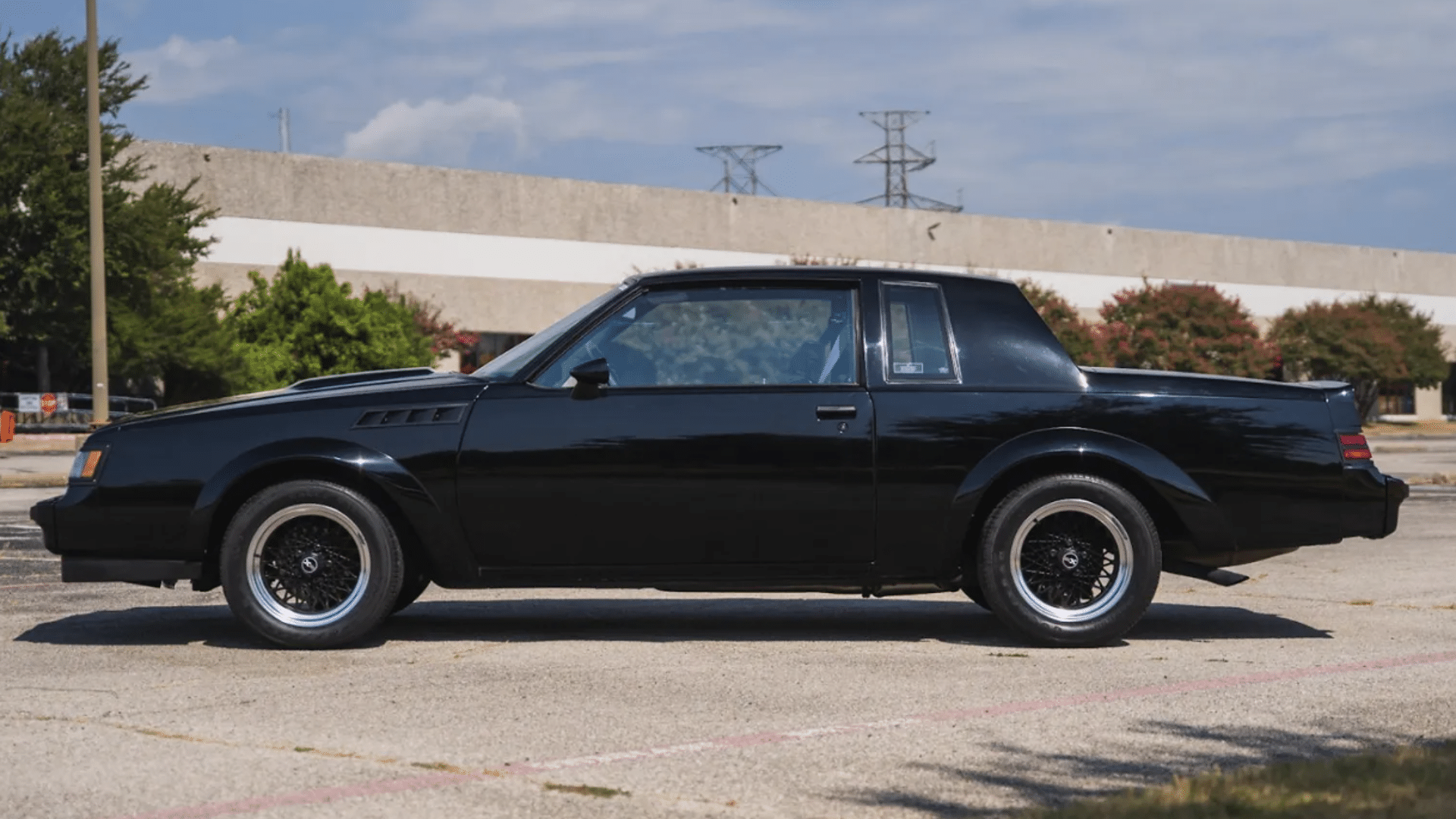
Do the math on Buick GNX #450 and it gets uncomfortable quickly. The black 1987 coupe sold for $427,000 on Bring a Trailer in late September with 30 miles on the odometer. That works out to roughly $14,233 for every mile the car has covered since it left the factory. The buyer didn’t pay for a car to drive. They paid for a car that has almost never been driven, and the best way to protect that investment is to keep it that way.
Same car, twice the money
This GNX has been sold before. In July 2024, #450 went through the same auction platform with 26 miles showing and sold for $200,000. Since then it has added four miles and $227,000 in value.
That’s a 113 percent gain in a little over two years, or about 40 percent a year compounded. Few things a person can park in a garage perform that well. The car didn’t change. The market’s appetite for the most original GNXs did.
Related Articles
- An AI Avatar Spoke for a Road-Rage Victim at Sentencing. Arizona Just Threw Out the 10.5-Year Term.
- USPS Is Turning Mail Trucks Into Road Scanners With Nextbase Dash Cams
The car itself is the same as it was in 1987: one of the 547 Grand Nationals Buick sent to ASC/McLaren for the GNX conversion. Every GNX was black. Each one carried a turbocharged 3.8-liter V6 that Buick rated at 276 hp and 360 lb-ft, numbers that almost everyone who has driven one considers conservative. A numbered plaque on the passenger side of the dash identifies which of the 547 you’re looking at, and buyers at this level should check it carefully.
Why the top of the market is pulling away
The GNX market is no longer one market. Driver-quality cars and true time capsules now trade in different worlds, and the gap between them keeps growing. Rarity alone doesn’t explain it, since all 547 are equally rare. The premium is for originality: factory tires, factory fluids, protective plastic still in place. Only a handful of GNXs still look like they just came off the truck, and every mile driven on one of them is permanent.
Pop culture added fuel. Kendrick Lamar named his late-2024 album GNX, introducing the car to buyers who weren’t born when it was new and who have money to spend. When newer collectors and longtime turbo-Buick enthusiasts compete for the same few untouched cars, the results look like this one.
The problem nobody wants to talk about
A 39-year-old car that has barely moved isn’t the same as a new car. Storage takes its own toll:
- Rubber ages whether the car moves or not. Hoses, seals, gaskets, and tires harden with time, not mileage. Original 1987 tires are display pieces only and shouldn’t be trusted at speed.
- Fuel systems varnish. Old gasoline left in injectors, lines, and the tank can leave deposits. Clearing them out properly is a careful job on a car where originality is worth six figures.
- Brake fluid absorbs moisture over decades, which can corrode calipers and lines internally even if the brakes have never been used.
- Turbochargers depend on oil. Starting a turbo engine that has sat for years without first priming the oil supply risks damaging its bearings in the first few seconds.
This leaves the owner with an awkward choice. Recommissioning the car properly, with new rubber, fresh fluids, and real tires, makes it safe to drive but removes some of the originality the buyer paid for. Leaving everything untouched preserves the value but means the car can’t really be used. At $427,000, almost everyone chooses to leave it alone.
Insurance and paperwork
Related Articles
- Philadelphia’s Speed Cameras Billed a Dallas Man for a Mercedes. The Plate Came Off His Buick in 2022.
- A Stolen Identity Financed the Corvette. A Second One Wrote the Down Payment Check.
A car like this belongs on an agreed-value collector policy, not standard auto coverage. Those policies usually limit annual mileage and require secure, enclosed storage, which this car is already getting. The more important protection is documentation. A low-mileage GNX is valued on proof: the dash plaque, records showing continuous ownership history, and evidence that the odometer reading is believable. If any of that paperwork goes missing, the car is just a very nice Buick.
What it means for everyone else
Results like this pull up the whole market, but unevenly. A well-kept GNX with a few thousand miles benefits from the headlines without reaching this price. Regular 1987 Grand Nationals, built in far larger numbers, get some of the attention too, and remain the realistic choice for people who want to actually drive a turbo Buick.
That’s the irony of this sale. The GNX was built to beat V8 Corvettes in a straight line. The most valuable one known to the public will probably never get the chance. Its new owner bought a nearly perfect 1987 survivor, and keeping it that way means barely driving it.
Images Via: Bring a Trailer