
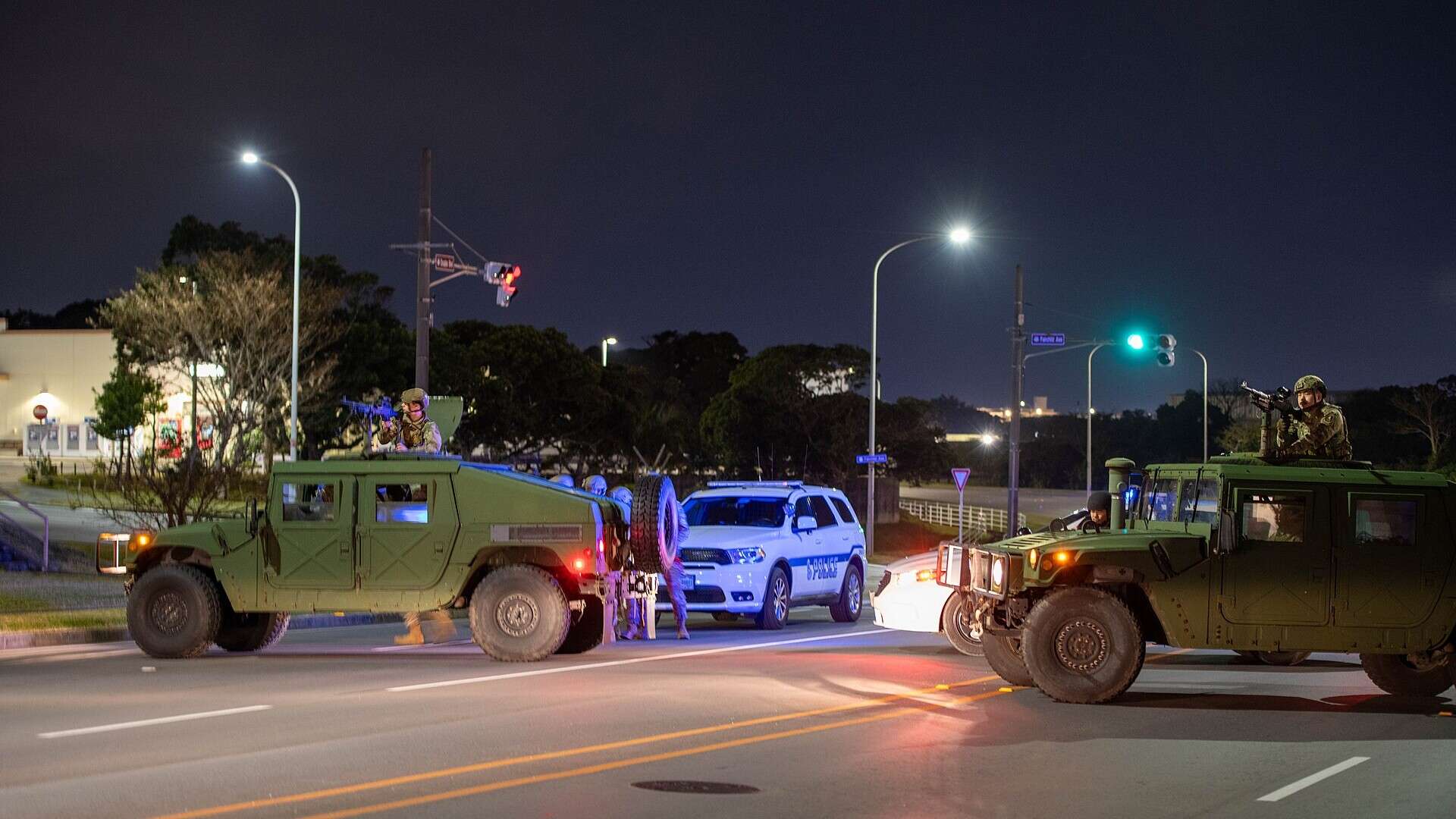
The 18th Wing at Kadena Air Base on Okinawa, Japan, has barred BYD-made vehicles from the base, calling them an “unacceptable and unmitigable” risk to personnel and the mission, Stars and Stripes reported on Oct. 27. Wing commander Brig. Gen. John Gallemore made the decision. Wing spokeswoman Lt. Col. Alli Stormer confirmed it in a statement emailed Monday and said it followed a thorough, consultative process. BYD opened its only Okinawa dealership, in the city of Tomigusuku, on Sept. 5, about seven weeks before the ban became public.
The wing has not said what the risk is. A base has told drivers that one automaker’s cars can’t be managed, and the public record doesn’t show why.
What the wing has and hasn’t said
Yonhap News Agency reported Friday, citing unnamed U.S. military officials in Japan, that the ban covers privately owned vehicles, taxis, delivery trucks and contractor vehicles. Stars and Stripes found no effective date and no enforcement details. Stormer’s statement didn’t name a specific security risk or say whether the Pentagon’s June designation of BYD (more on that below) played a part. Nothing the wing has said ties the two together.
U.S. Forces Japan spokesman Air Force Col. John Severns told the paper that Kadena is the only U.S. base in Japan that bans BYD vehicles and that the command would announce any change to base populations.
The Pentagon list BYD landed on in June
BYD appears in the Defense Department’s June 10 Federal Register notice designating Chinese military companies under Section 1260H of the fiscal 2021 National Defense Authorization Act. The notice describes BYD as directly and indirectly affiliated with SASAC, the state body that oversees China’s centrally administered state-owned enterprises, and indirectly affiliated with the Ministry of Industry and Information Technology. It also treats BYD as a contributor to China’s military-civil industrial base.
The list is a contracting tool. Under the fiscal 2024 NDAA, Stars and Stripes reports, the Pentagon is generally prohibited from doing business with companies on it, a restriction that took effect June 30. A broader restriction covering goods and services from those companies is scheduled for June 30, 2027. The notice also lays out how a listed company can ask for reconsideration. I found nothing in it about vehicles at a base gate. Whether Gallemore leaned on it is the wing’s to say.
Who has to find somewhere else to park
Getting onto Kadena already runs through paperwork. The base’s pass and registration office issues contractor credentials on forms signed by officials the sponsoring unit commander has approved, and service members stationed in Japan need a USFJ operator’s permit before driving a privately owned or company-owned vehicle. A ban that reaches contractors and taxis lands on employers with fleets and on drivers who have no say in what their company bought.
The questions the wing hasn’t answered are practical ones. Does a BYD already registered to a service member keep its access? Does a cab with a BYD badge get turned away at the gate with a passenger inside? Is the check made at registration or at the barrier? Stormer’s statement, as Stars and Stripes reported it, doesn’t say.
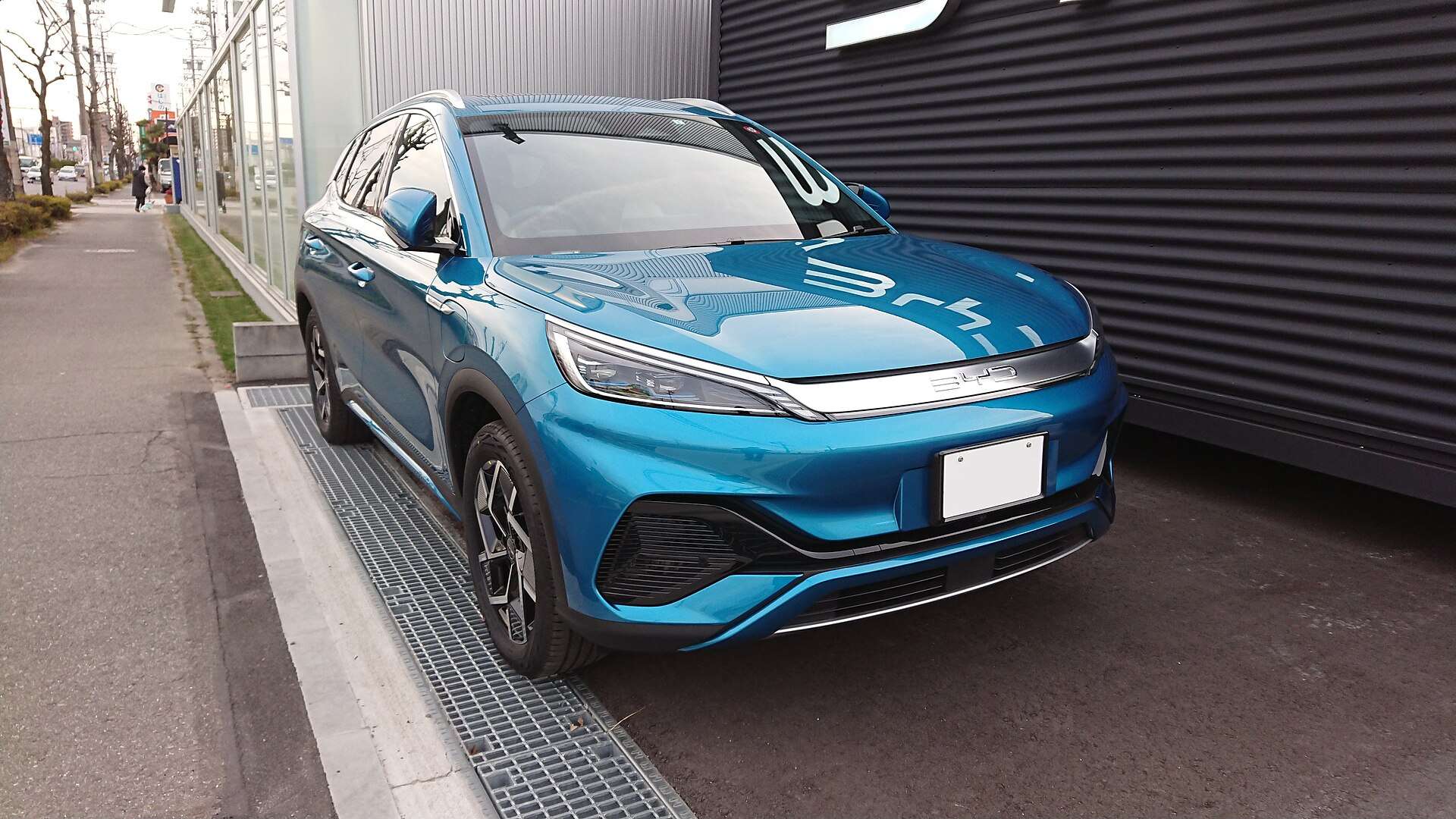
BYD’s website lists 78 dealerships in Japan, some still preparing to open, the paper reported, and the company entered the Japanese market in 2023. A BYD spokeswoman declined comment by phone Monday and didn’t respond to emailed questions that day. The Okinawa dealer declined an interview request.
Korea’s bases went the other way
U.S. Forces Korea spokesman Kim Eun-chong said BYD vehicles aren’t barred from U.S. bases on the Korean Peninsula and that the command continuously reviews installation access and security measures. On the South Korean side, Rep. Kang Dae-sik says at least 190 internet-connected, China-made cars are registered to enter facilities run by the defense ministry and the armed services, with no entry ban in place. Those are the lawmaker’s figures, not a published registry.
The data-risk argument is the obvious one, and the wing hasn’t made it. Connected cars carry cameras and microphones, and they pair with phones, and Stars and Stripes cites security experts who call them potential collection platforms. Our earlier reporting on a researcher’s access to a BYD Shark 6 in Australia, shown on ABC’s Four Corners, involved a different model in a different market. Nothing public ties that flaw, or any other, to BYDs sold in Japan.
What to watch
The wing may have sound reasons. A commander can know things a reporter can’t, and the 2027 contracting deadline shows Washington already treats BYD as a defense-procurement concern. But a rule that reaches taxi drivers and delivery contractors who come through the gate, while U.S. bases in Korea allow the same cars, needs a published scope and a start date. USFJ says it will announce changes to base populations, and the June 30, 2027 procurement restriction is the next fixed date on the calendar.
If you run a cab or a delivery route into Kadena, what would the base have to tell you before you’d accept this ban?