
Pickup Trucks
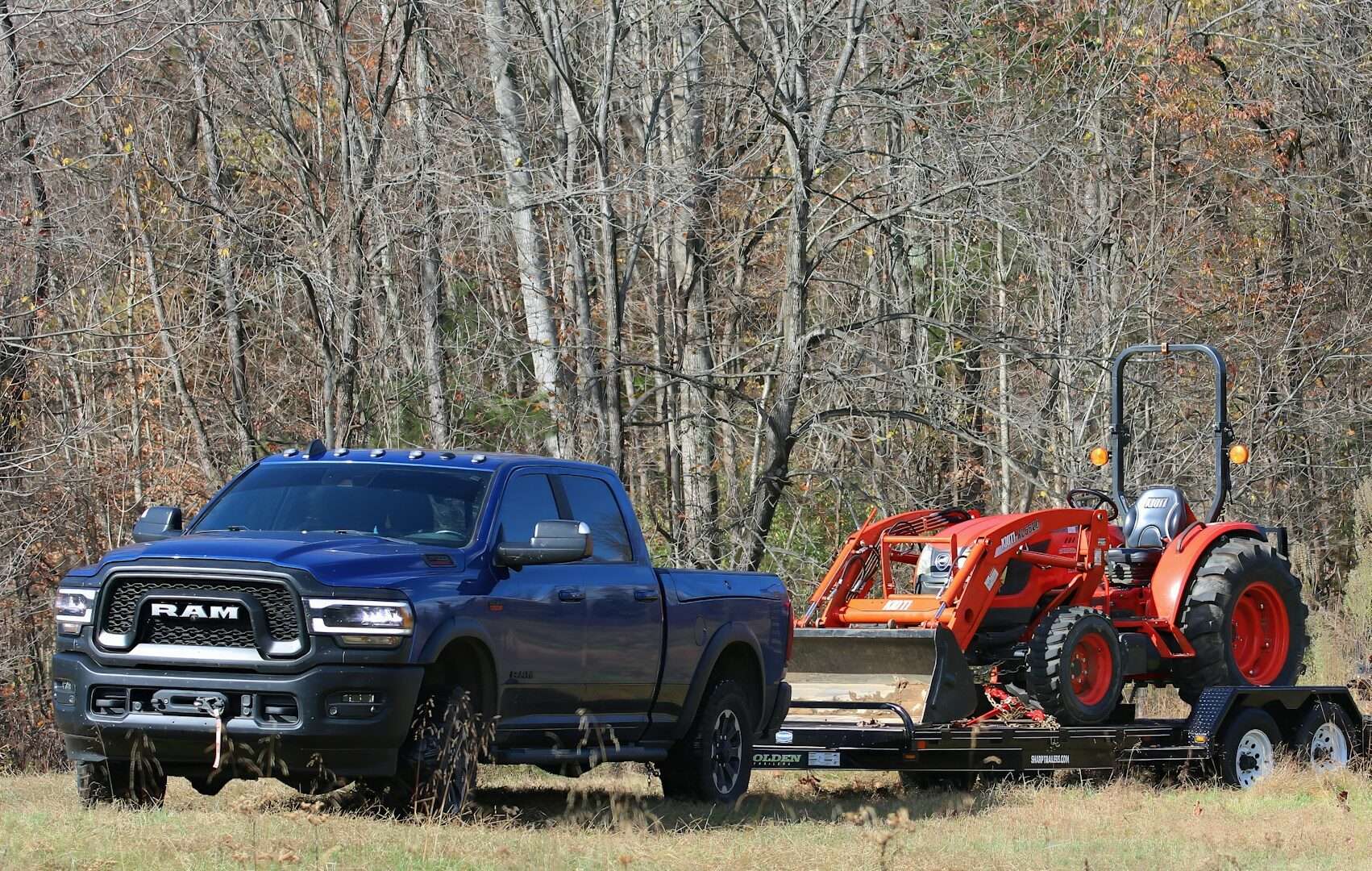
A pickup is a work tool Monday through Friday and a family hauler on weekends. This page covers how to compare payload and towing, light-duty against heavy-duty, gas, diesel and electric, and what to check before buying new or used. We track truck launches, reliability and recalls, and the buying realities behind the best sellers.
Table of Contents
- Understanding the Pickup Truck Market
- Towing and Payload Explained
- Light-Duty vs. Heavy-Duty
- Gas, Diesel, and Electric Trucks
- Cabs, Beds, and Configurations
- Buying New vs. Used
- Truck Reliability and Recalls
- Latest News
- Related Guides
- Expert Resources
- Recommended Reading
- Frequently Asked Questions
Understanding the Pickup Truck Market
Pickup trucks are the best-selling vehicles in America, and the market spans an enormous range, from basic work trucks to luxury models that rival premium SUVs in price and comfort. Understanding where a truck fits in that spectrum is the first step to buying the right one, because a truck optimized for hauling gravel is a very different machine from one built to tow a boat in leather-lined comfort.
The big decisions come down to how you will actually use the truck: what you need to tow or carry, how many passengers you have, whether you drive off-road, and how much daily-driving comfort matters. Buying more capability than you need wastes money and fuel; buying too little leaves you stuck. Matching the truck to the job is everything.
Towing and Payload Explained
Towing and payload are the two capability numbers that matter most, and they are easy to confuse. Getting them right is a safety issue, not just a spec-sheet detail, because exceeding a truck’s limits strains the brakes, suspension, and drivetrain and can be genuinely dangerous.
Payload vs. Towing Capacity
Payload is the weight a truck can carry in the bed and cabin, including passengers and cargo. Towing capacity is the weight it can pull behind it on a trailer. They are separate limits, and they interact: the tongue weight of a trailer counts against payload, so a truck loaded with people and gear can tow less than its headline number suggests. Always account for both together.
Reading the Door Sticker
The most reliable source for your truck’s actual limits is the sticker on the driver’s door jamb, which lists the specific vehicle’s ratings rather than the best-case marketing figure for the model. Marketing numbers usually apply to a stripped-down configuration with the right options; your truck’s real numbers may be lower. When in doubt, trust the door sticker and the owner’s manual.
Light-Duty vs. Heavy-Duty
Trucks are broadly split into light-duty and heavy-duty classes. Light-duty trucks, like the familiar half-ton models, handle most everyday hauling, weekend projects, and moderate towing while remaining reasonable to drive daily. Heavy-duty trucks step up to serious towing and payload for big trailers, campers, and commercial work, at the cost of a stiffer ride, higher price, and more truck than most people need. Be honest about which category your real workload requires.
Gas, Diesel, and Electric Trucks
Trucks now come with three very different powertrains, each suited to different buyers. Gas engines are the affordable, familiar default. Diesels offer strong towing torque and highway efficiency at a premium. Electric trucks bring instant torque and low running costs but raise range questions, especially under load.
Diesel Considerations
A diesel engine shines when you tow heavy loads regularly, delivering abundant low-end torque and better fuel economy on long hauls. The trade-offs are a higher purchase price, costlier maintenance, and emissions systems that require attention. Diesel makes financial sense for high-mileage towers but rarely pays off for light, occasional use.
Electric Pickups
Electric pickups deliver instant torque, quiet operation, low fuel and maintenance costs, and useful features like power outlets and large storage where the engine used to be. The major caveat is range, which drops sharply when towing heavy loads, and a charging network that is still maturing for long hauls. For local use and light towing they are compelling; for long-distance heavy towing the technology is still catching up.
Cabs, Beds, and Configurations
Trucks are sold in a confusing array of cab and bed combinations, and the choice involves real trade-offs. Bigger cabs carry more passengers but usually come with shorter beds on a given wheelbase, while longer beds haul more but make the truck harder to park and maneuver. Think about your typical mix of people and cargo, since you generally cannot maximize both at once.
Buying New vs. Used
Trucks hold their value well, which cuts both ways: used trucks stay relatively expensive, but a new truck depreciates more slowly than most vehicles. A well-maintained used truck can be a smart buy, provided you check its history for signs of hard work, like heavy towing or commercial use, which accelerate wear. Inspect the frame, suspension, and drivetrain carefully on any used truck.
Truck Reliability and Recalls
Truck reliability varies significantly by brand, model, and powertrain, and the added complexity of diesel and electric systems introduces failure points that simple gas trucks avoid. Because trucks are often worked hard, maintenance history matters even more than usual. Checking a model’s recall record and known problem areas before buying can save you from inheriting an expensive, well-documented flaw.
Latest News
The latest pickup truck coverage from The Auto Wire updates automatically below, spanning new models, towing and capability, electric trucks, and reliability. Scroll to the Latest News feed for the most recent stories.
Related Guides
Trucks connect to several other areas of our coverage. These companion hubs go deeper on related topics:
- Vehicle Reliability — how trucks hold up under hard use.
- Car Recalls — defect campaigns affecting trucks.
- Electric Vehicles — including the new electric pickups.
- Automotive Technology — the tech inside modern trucks.
Expert Resources
For towing standards, specs, and safety data, these sources are good starting points:
- NHTSA Towing Safety — federal towing and trailering guidance.
- SAE J2807 — the standard behind tow-rating tests.
- EPA fueleconomy.gov — official efficiency data for trucks.
Recommended Reading
- Towing vs. Payload: The Numbers That Actually Matter
- Are Electric Pickups Ready to Tow?
- How to Inspect a Used Truck Before You Buy
Frequently Asked Questions
What is the difference between payload and towing capacity?
Payload is the weight a truck can carry in its bed and cabin, including passengers and cargo. Towing capacity is the weight it can pull on a trailer. They are separate limits that interact, since a trailer’s tongue weight counts against payload, so you have to account for both at once.
What is the best-selling pickup truck?
Full-size half-ton trucks from the major domestic brands have dominated U.S. sales for decades, with the best-seller title regularly trading among a small group of long-running nameplates. They sell in enormous numbers because they balance capability, comfort, and price for the widest range of buyers.
Are electric pickups worth it?
For local use and light towing, they are compelling, offering instant torque, low running costs, and handy features like onboard power. The main drawbacks are sharply reduced range when towing heavy loads and a still-maturing charging network. Whether one is worth it depends heavily on your towing needs and charging access.
What is the difference between light-duty and heavy-duty?
Light-duty trucks, such as half-ton models, handle everyday hauling and moderate towing while staying comfortable to drive. Heavy-duty trucks are built for serious towing and payload, with stronger frames and drivetrains, at the cost of a stiffer ride and higher price. Most buyers need only light-duty.
How much can a half-ton truck tow?
It varies by configuration, but modern half-ton trucks can typically tow somewhere in the range of 8,000 to 13,000 pounds when properly equipped. Always check the door-jamb sticker for your specific truck rather than the headline marketing figure, which usually reflects an ideal configuration.
Is a diesel truck worth the premium?
For drivers who tow heavy loads regularly or rack up high highway mileage, the extra torque and fuel efficiency can justify the higher purchase and maintenance costs. For light or occasional towing, the premium rarely pays off, and a gas engine makes more sense.
Which trucks are the most reliable?
Reliability varies by brand, model, and powertrain, and simpler gas trucks tend to avoid some of the issues that affect complex diesel and electric systems. Rather than relying on reputation, check current reliability data and the recall history for the specific model and year.
What truck cab configuration should I choose?
It depends on your mix of passengers and cargo. Larger cabs seat more people but usually pair with shorter beds, while longer beds haul more but reduce passenger space and make the truck harder to park. Pick the configuration that fits how you actually use the truck most often.
Do trucks hold their value better than cars?
Generally yes. Strong, steady demand for trucks means they tend to depreciate more slowly than most cars. That helps resale value on a new truck but also keeps used trucks relatively expensive.
How do I check a used truck before buying?
Inspect the frame, suspension, and drivetrain for signs of hard use or towing wear, review the maintenance and recall history, and check for evidence of commercial or off-road abuse. A pre-purchase inspection by a trusted mechanic is well worth the cost on any used truck.
Latest News (Auto-Updating)
-
Ford’s Quarterly Loss Hides a Worse EV Number and a Very Good Trade
Ford’s second quarter produced a $1.3 billion net loss, a raised profit forecast, and a press release that manages to be accurate about both. Fine. The interesting numbers are the ones nobody put on a slide. Start with the ledger. Revenue of $48.3 billion, down $1.9 billion. Wholesale volume of 1,039,000 units, down 12 percent.…
-
Trump’s Michigan Tariff Victory Lap Starred a Factory Built to Bury GM’s EV Trucks
When a president stands on a General Motors proving ground and announces that tariffs are dragging factories back across the border, the obvious move is to check which factories actually moved. That’s the wrong instinct. The more interesting question is which numbers just got repackaged as a tariff win that had nothing to do with…
-
Ford Fixed The F-150’s Oil-Burning V8, Then Quietly Un-Fixed It To Protect Its MPG Numbers
Somewhere in a Ford engineering file is a piston ring. It isn’t exotic, and it doesn’t cost much to manufacture. But a federal judge in Detroit has just decided that a jury should hear exactly how that ring, and the decisions Ford made about it between 2016 and 2017, turned into a lawsuit that could…
-
Ford Q2 2026 Loss Explained: What The $4.2 Billion In Charges Actually Covers
Ford’s $1.3 Billion Q2 Loss Isn’t The EV Bloodbath It Looks Like Read the headline number and you’d assume Dearborn just torched another pile of cash on electric trucks. Read the filing and a different picture shows up. Ford’s second-quarter results, filed with the SEC on July 28, show a GAAP net loss attributable to…
-
Ford Wanted to Patent a Car That Locks You Out and Drives Itself to the Junkyard. The Government Said No.
A Ford Bronco did not get bricked in traffic on a Michigan expressway last week. Ford says so on the record, and the truck in the viral clip does not even carry the hardware that would make it possible. That should have ended the story right there. Instead it dragged something stranger into daylight: three…
-
Toyota Takes A Third Of cellcentric: What The Fuel Cell Truck Deal Really Buys
On July 27, Volvo Group, Daimler Truck AG, cellcentric and Toyota signed a binding agreement making Toyota an equal one-third owner of cellcentric alongside the two European truck groups that founded it. Closing is expected around the end of 2026 or the start of 2027, pending regulatory approvals. cellcentric stays an independent Tier 1; the…
-
Wally Darwish Got the Deal of a Lifetime on Ten Dealerships. He Just Got a $30 Million Bill for Treating Them Like His Personal ATM
Ten car dealerships in the small, rural markets of upstate New York spent the better part of three years being run, or fought over, by two men who couldn’t agree on who was actually in charge. That confusion, a judge has now ruled, wasn’t an accident. On July 10, an Albany County Supreme Court judge…
-
Mahle’s Diesel Range Extender For Electric Trucks Faces A Bigger Problem Than Physics
Mahle used its Stuttgart media day on July 21 to preview what it will roll into Hall whatever at IAA Transportation in Hanover this September: a self-contained range extender for heavy battery-electric trucks. The press release frames it as the thing that finally uncouples e-truck adoption from Europe’s charging build-out. The engineering is genuinely clever.…
-
Corvette Clocked At 130 In A 45: Inside Florida’s Dangerous Excessive Speeding Statute
The St. Johns County Sheriff’s Office says a deputy stopped a Chevrolet Corvette on County Road 13 North near Joe Ashton Road doing 130 mph in a posted 45. The driver went to the St. Johns County Jail on a charge of Dangerous Excessive Speeding. SJSO put the body camera footage out publicly and used…
-
Ford’s Explorer and Aviator Can Now Recline Their Own Driver’s Seat, No Passenger Required
Ford just filed a new Explorer and Aviator seat recall, and the defect description alone is unusual: the driver’s seat can recline itself while the truck is sitting empty in a driveway. No one has to be sitting in it. No one has to touch it. A remote start or a remote unlock is apparently…
-
Ford’s Latest Recall Letter For Almost 400,000 SUVs Is Basically Just An IOU
The defect itself already got the deep dive it deserves. The Auto Wire covered how this exact bezel-and-switch problem burned Ford once in 2025 and is now back for a sequel. What hasn’t gotten enough attention is the letter itself: what an interim recall notice actually promises, what it doesn’t, and what it quietly does…
-
Trump Got a Drag Race and Signed a Corvette. GM Got Something Way More Valuable.
Presidents don’t typically get invited past the guard shack. Milford Proving Ground has spent a full century keeping outsiders away from General Motors’ most sensitive engineering work, and in all that time, no sitting president had ever set foot inside. On July 27, Donald Trump did. He watched a drag race, climbed into a six-figure…