
Supercars
Introduction
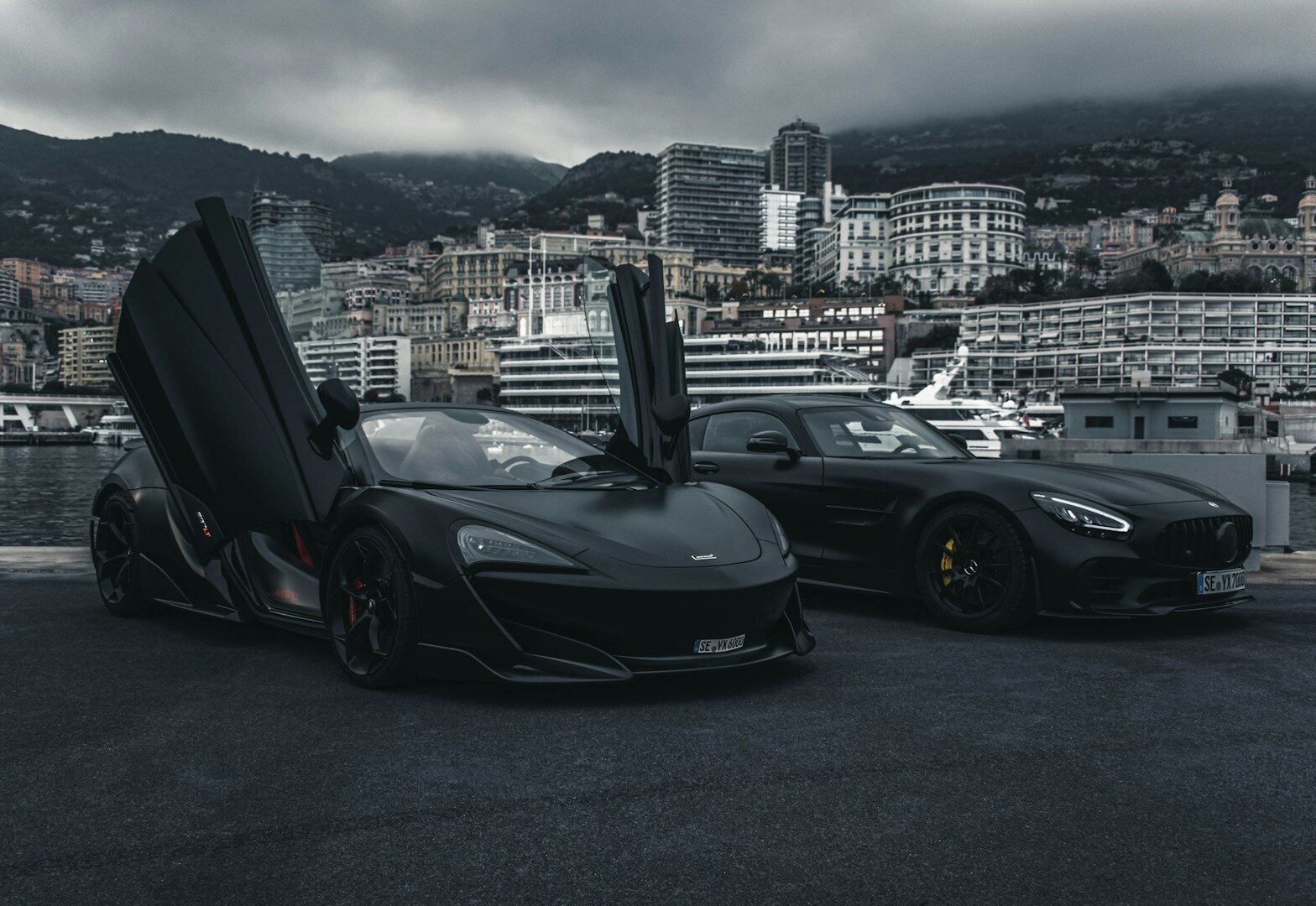
Supercars sit at the top of the automotive world, blending extreme engineering, exotic materials, and eye-watering price tags into machines built to thrill. This hub is your guide to what defines a supercar (and how it differs from a hypercar), the marques that build them, the technology that makes them possible, and what it actually takes to own one. The Auto Wire follows exotic launches, auctions, and the culture around high-performance machines. Use this evergreen page to understand the segment, explore the engineering, and connect to our coverage of the fastest cars and the technology trickling down from the top of the market.
Table of Contents
- What Defines a Supercar
- Supercar vs. Hypercar vs. Exotic
- Iconic Supercar Marques
- Engineering and Performance
- Owning and Maintaining a Supercar
- Supercars at Auction
- Electric and Hybrid Supercars
- Latest News
- Related Guides
- Expert Resources
- Recommended Reading
- Frequently Asked Questions
What Defines a Supercar
A supercar is a high-performance, low-volume sports car that sits at the top of what is technically and financially possible for a road vehicle. The label has no formal definition, but supercars share a recipe: exceptional speed and handling, exotic engineering, striking design, limited production, and a price far beyond ordinary cars. They are built to thrill first and to be practical a distant second.
What separates a true supercar from a merely fast car is the totality of the experience: the way it looks, sounds, accelerates, and corners, combined with the rarity and craftsmanship that make it an object of desire as much as a means of transport.
Supercar vs. Hypercar vs. Exotic
These terms overlap and get used loosely, but there is a rough hierarchy. “Exotic” is the broadest term, covering rare, expensive, and unusual performance cars generally. “Supercar” describes the high-performance tier built in limited numbers. “Hypercar” sits at the very top: the rarest, fastest, most extreme and expensive machines, often produced in tiny numbers and pushing the boundaries of technology. Every hypercar is a supercar, but only a handful of supercars reach hypercar status.
Iconic Supercar Marques
A small group of manufacturers has come to define the supercar, each with its own character and heritage. Some are storied European houses with decades of racing pedigree; others are modern specialists that have rewritten what is possible. The badge carries enormous weight in this world, shaping not just performance but desirability and value.
European Exotics
Italy and the wider European scene gave birth to the supercar as we know it, and names like Ferrari and Lamborghini remain the cultural shorthand for the genre. These marques blend motorsport heritage, dramatic design, and emotional, high-revving engines into cars that are as much art as machinery. Their history and exclusivity are a core part of what buyers are paying for.
Modern Challengers
Newer specialists and reborn brands have shaken up the establishment, often by chasing outright performance with cutting-edge engineering, lightweight construction, and hybrid or electric power. These challengers prove that supercar greatness is no longer the exclusive property of century-old names, and the competition has pushed the entire category to new heights.
Engineering and Performance
Beneath the styling, a supercar is a showcase of advanced engineering. Lightweight materials like carbon fiber, sophisticated suspension, enormous brakes, and powerful engines or motors all work together to deliver performance that ordinary cars cannot approach. Every component is chosen to serve speed, grip, and driver engagement.
Aerodynamics and Downforce
At supercar speeds, managing airflow is as important as making power. Carefully sculpted bodywork, diffusers, and sometimes active wings generate downforce that presses the car into the road for grip in corners and stability at speed. The challenge is doing this without creating so much drag that top speed suffers, a balancing act that defines much of supercar design.
Powertrains
Supercar powertrains range from screaming naturally aspirated engines to turbocharged units and, increasingly, hybrid and fully electric systems. Electrification has arrived even here, used both to boost performance with instant torque and to meet tightening emissions rules. The result is a category in transition, where the traditional roar of a combustion engine now shares the stage with electric power.
Owning and Maintaining a Supercar
Buying a supercar is the beginning of the expense, not the end. Maintenance is costly and specialized, with service, tires, brakes, and insurance all priced accordingly. Many require careful storage, regular use to stay healthy, and access to specialist technicians. Ownership is a commitment that rewards enthusiasts but punishes anyone who underestimates the running costs.
Supercars at Auction
For the rarest and most historically significant cars, the auction world is where values are set, and the numbers can be staggering. Limited production, racing provenance, originality, and condition all drive prices, and the most coveted examples sell for sums that make them serious investments. The auction market is also a barometer for which models and eras are most desired at any given moment.
Electric and Hybrid Supercars
Electrification is reshaping the supercar. Hybrid systems now appear in the most extreme flagship models, using electric power to fill in torque and sharpen response, while fully electric supercars deliver acceleration that combustion cannot match. Purists debate whether the soul of the supercar survives the transition, but the performance case for electrification at this level is increasingly hard to argue with.
Latest News
The latest supercar and exotic coverage from The Auto Wire updates automatically below, from new flagship reveals to auction results and the electric transition. Scroll to the Latest News feed for the most recent stories.
Related Guides
Supercars connect to several other areas of our coverage. These companion hubs go deeper on related topics:
- Fastest Cars — top-speed records and how they are verified.
- Electric Vehicles — the electrification of high performance.
- Automotive Technology — the engineering behind exotic machines.
- Vehicle Reliability — how complex performance cars hold up.
Expert Resources
For specifications, records, and market data, these sources are good starting points:
- Guinness World Records — verified performance records.
- SAE International — automotive engineering standards.
- RM Sotheby’s — collector-car auction results and values.
Recommended Reading
- Supercar vs. Hypercar: Where the Line Really Is
- The True Cost of Supercar Ownership
- How Electrification Is Changing the Supercar
Frequently Asked Questions
What is the difference between a supercar and a hypercar?
A supercar is a high-performance, limited-production sports car near the top of the market. A hypercar sits above that: the rarest, fastest, and most expensive machines, often built in tiny numbers and pushing the limits of technology. Every hypercar is a supercar, but only a few supercars reach hypercar status.
How fast is a typical supercar?
Most modern supercars reach 60 mph in roughly two to three seconds and have top speeds well above 180 mph, with many exceeding 200 mph. The fastest hypercars go considerably further, though those extreme top speeds are only usable on a track or closed course.
How much does it cost to own a supercar?
Far more than the purchase price suggests. Insurance, specialized service, tires, brakes, and proper storage all cost substantially more than for an ordinary car, and depreciation can be steep on some models. Ownership is a serious ongoing financial commitment.
Which brands make the best supercars?
A handful of storied European marques like Ferrari and Lamborghini define the category, alongside modern specialists that compete on cutting-edge engineering. “Best” depends on what you value, since each brand offers a different blend of heritage, performance, and character.
Are electric supercars faster than gas ones?
In straight-line acceleration, often yes, thanks to instant electric torque. For sustained top speed and track endurance, combustion supercars can still hold an advantage as EVs manage heat and battery drain. The fastest of each type are fast in different ways.
Do supercars hold their value?
It varies widely. Mainstream supercars often depreciate like other expensive cars, while rare, limited-edition, or historically significant models can hold value or appreciate. Provenance, production numbers, and condition are the biggest factors.
How expensive is supercar maintenance?
Very. Routine service can run into the thousands, major services and consumables like tires and brakes are priced for performance hardware, and specialist labor is costly. Budgeting generously for upkeep is essential before buying.
What makes a car exotic?
“Exotic” generally means rare, expensive, and unusual, with performance and design well beyond ordinary cars. It is the broadest term in this world and overlaps with supercar, though not every exotic is built purely for speed.
Can you daily-drive a supercar?
Some modern supercars are surprisingly usable day to day, with reasonable comfort and reliability, but most involve real compromises: limited ground clearance, tight cabins, poor visibility, firm rides, and high running costs. A few owners do it; many find it impractical.
What is the most expensive supercar ever sold?
The record holders are typically rare, historically significant classics sold at auction for tens of millions of dollars, with values driven by racing provenance and originality. The exact record shifts as landmark cars change hands, but these figures place the most coveted examples among the most valuable cars in the world.
Latest News (Auto-Updating)
-
GM Unleashes The Mighty Corvette ZR1X Hypercar
This is incredible.
-
Las Vegas Police Bust A Hypercar Flipping Scam
Don’t fall for this sort of thing.
-
Texas Influencer Caught Taking Dealership Supercars On Wild Rides With Salesmen Present
Do you think this behavior is okay or does he go too far?
-
10 Surprising Supercar Facts That Will Blow Your Mind
Supercars are marvels of engineering, blending extreme performance with jaw-dropping design. But behind their speed and exclusivity lie some fascinating—and often bizarre—facts that many enthusiasts don’t know. Here are 10 of the most surprising supercar secrets. 1. Some Supercars Are Practically Useless on Regular RoadsLow ground clearance is a common issue among supercars. Models like…
-
5 Types of Doors You’ll See on Supercars
Supercars are designed to stand out, not just with their performance and styling, but also with their unconventional doors. These unique designs go beyond aesthetics—supercar doors are engineered for practicality, aerodynamics, and brand identity. From scissor doors to gullwing doors, these designs help improve accessibility in tight spaces, enhance airflow dynamics, and make each car…
-
C8 Corvette ZR1 Confirmed As Genuine American Supercar After Reveal
It’s the quickest production Corvette ever.
-
The Notorious Guy Fieri Lamborghini Heist: Remembering Max Wade’s $200K Theft of Guy Fieri’s Supercar
Car theft is an unfortunate reality that often feels like a routine part of the news cycle. Whether it’s high-performance muscle cars or luxury vehicles, thefts have become so frequent that we sometimes forget the severity of the crime—especially for car enthusiasts who view their vehicles as more than just transportation. While some thefts are…
-
California Supercar Gatherings Descend Into Lawless Chaos
Get an inside peek at the lawless revelry…
-
Berlin Crowd Delights As Supercars Get Impounded
Are they right to feel overjoyed about this?
-
Nissan’s Next Supercar Is Going Fully Electric
Is this a good or bad thing?
-
Supercar Driver Killed In Fiery Malaysian Highway Crash
We hate to see stuff like this.
-
2019 Ford GT Carbon Series: A Modern Supercar Legend Auctioned at Mecum Glendale 2024
Exquisite 2019 Ford GT Carbon Series with advanced features and low mileage up for auction at Mecum Glendale 2024.