
Hiroshi Okuda died this week at 93, and most tributes will lead with the Prius. That’s the obvious headline: the Toyota executive who greenlit the car that made “hybrid” a household word. It’s not wrong. It’s just not the important part.
Toyota confirmed Wednesday that Okuda had died. A company spokeswoman said the date and cause were not immediately available, according to the Associated Press. He served as Toyota’s president from 1995 to 1999, then as chairman through 2006, a stretch that took Toyota from a respected exporter to the largest automaker in the world by volume. He was a black belt in judo and, notably for a company still substantially controlled by its founding family, not a member of the Toyoda family himself.
Give the Prius its due. It launched in Japan in 1997, running gas-electric hybrid technology no other mainstream automaker was selling at that scale. It looked, at the time, like an expensive experiment. It became, over the following decade, the car that let Toyota wear a fuel-efficiency halo it has never really taken off, alongside more ordinary bestsellers like the Camry.
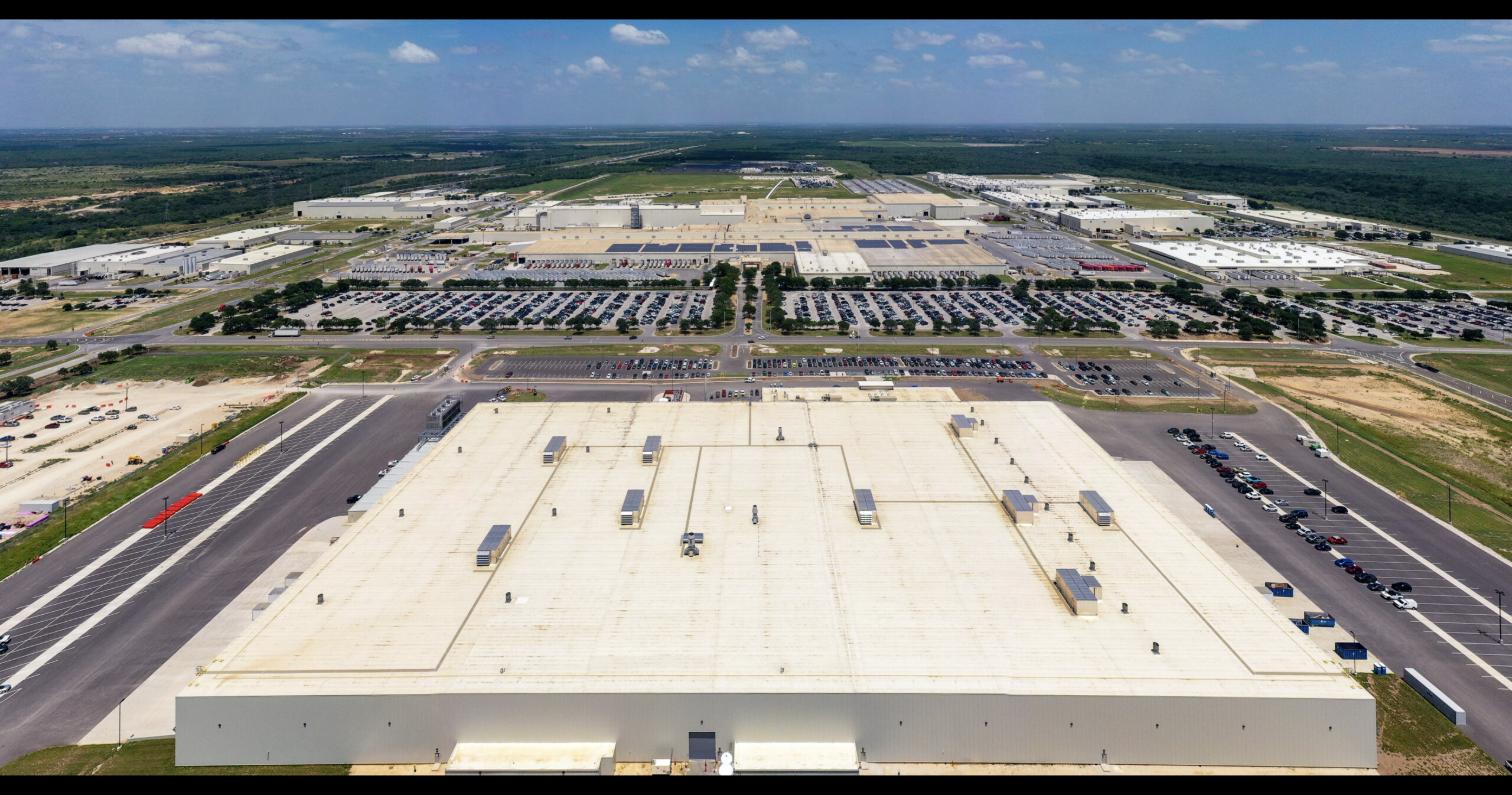
That’s the easy story. Here’s the one that matters more. While Okuda was overseeing a hybrid nobody was certain would sell, he was also directing something far less exciting and far more consequential: pouring money into new assembly plants outside Japan, including one in Princeton, Indiana, that opened in 1998, and another in Valenciennes, France, that opened in 2001. Toyota’s truck plant in San Antonio, Texas, broke ground near the very end of his chairmanship and started building trucks in 2006.
None of that was simple industrial expansion. It was insurance. According to the Associated Press, Okuda was open about his worry that Toyota’s rise would provoke a serious backlash as Japanese automakers posted healthy profits while General Motors, Ford, and Chrysler sank into losses through the 1990s. His answer wasn’t to slow down. It was to make Toyota look less like a foreign competitor and more like a local employer, one plant at a time.
That strategy is still the reason a tariff aimed at “foreign” automakers barely touches large parts of Toyota’s current lineup. A Camry or a Highlander assembled in Kentucky or Indiana never crosses a border to reach a driveway in Ohio. That distinction sounds minor. In trade negotiations, it is enormous, and it’s exactly what the localization push under Okuda was built to accomplish.
That same build-where-you-sell logic is still shaping headlines today, sometimes in less flattering ways. Earlier this summer, Toyota blamed “final adjustments” for delaying its electric Highlander, a delay that had less to do with the SUV itself than with three brands sharing a single production line. It’s a stretched, more fragile version of the same playbook Okuda used to defuse a trade war three decades ago: concentrate production close to the customer, and hope the factory can keep up with the ambition.
Okuda’s other quiet departure from Toyota tradition gets even less attention. He wasn’t a Toyoda, and he used his eleven years running the company to push younger executives into real decision-making roles inside a culture that still mostly promoted by seniority. “A company must change when things are going well,” he told reporters in 2005. It reads less like a slogan and more like a description of what he’d already spent a decade doing.
That instinct lines up with the two ideas Toyota is still taught around in business schools: kaizen, the discipline of continuous incremental improvement, and just-in-time production, which keeps inventory lean by building parts and cars closer to the moment they’re actually needed. Okuda didn’t invent either concept. He ran the company through the exact period when both ideas had to prove they could scale globally, not just inside a handful of plants in Japan.
One more detail is worth sitting with. The Associated Press’s obituary notes that a cheap yen was viewed, in the 1980s and 90s, as giving Toyota and other Japanese automakers an unfair edge, since it inflates the value of overseas earnings once converted back home. That complaint never really went away. Automakers are still lobbying governments over nearly identical complaints today, just pointed at a different country’s currency and a different generation of imports. Trade friction over cars has a longer memory than most buyers realize.
It’s also a reminder that the flashy announcement is rarely the real story. This publication made the same point recently about a hybrid supercar launch that was actually a story about factory capacity. Okuda’s Prius was the same trick, just thirty years earlier and at considerably higher stakes: a headline-grabbing car sitting on top of a much larger, much quieter bet on where and how Toyota built things.
Toyota says funeral arrangements are being handled privately by Okuda’s family, with a more public ceremony possibly planned for later. When it happens, expect most of the tributes to focus on the Prius, because that’s the tangible, driveable thing people can point to.
The more accurate tribute would mention the plants. Building one groundbreaking hybrid proves an engineering team is clever. Building factories on three continents that keep running smoothly enough to survive three decades of trade disputes proves something harder: that a company can out-think its critics by building itself into the fabric of the markets that resent it.
That’s the idea worth remembering about Hiroshi Okuda. Not that he built a car that saved gas. That he built an automaker that made itself very difficult to send home.