
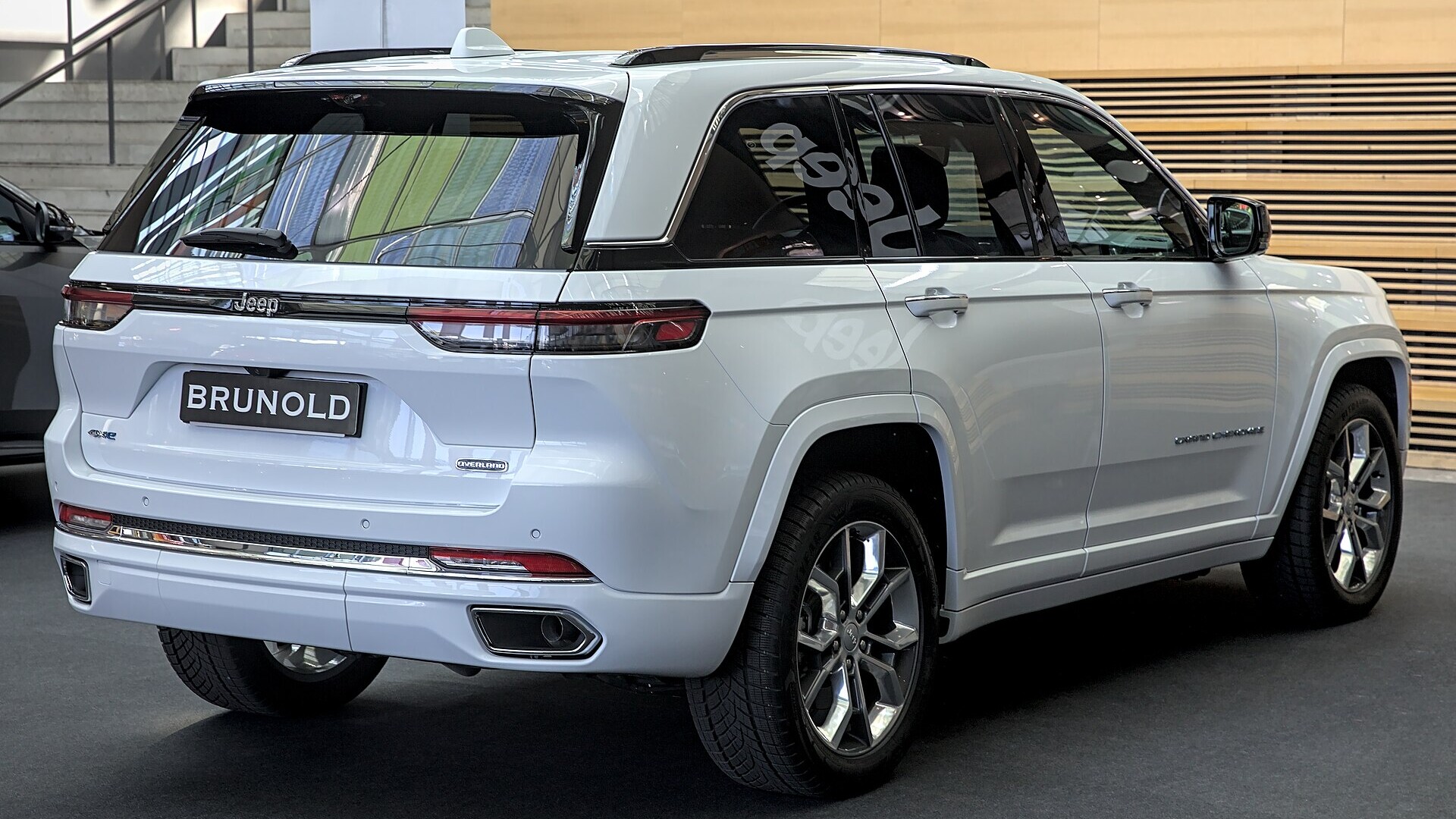
Stellantis North America shipments came to 357,000 vehicles in the third quarter, 47,000 fewer than a year earlier, and the region went from an adjusted operating loss of 475 million euros to an adjusted operating profit of 64 million euros. Those are the figures in the company’s third-quarter results and its separate shipments release. Cox Automotive’s count of Jeep dealer stock at the end of September, 169 days of supply, shows how much is left to clear.
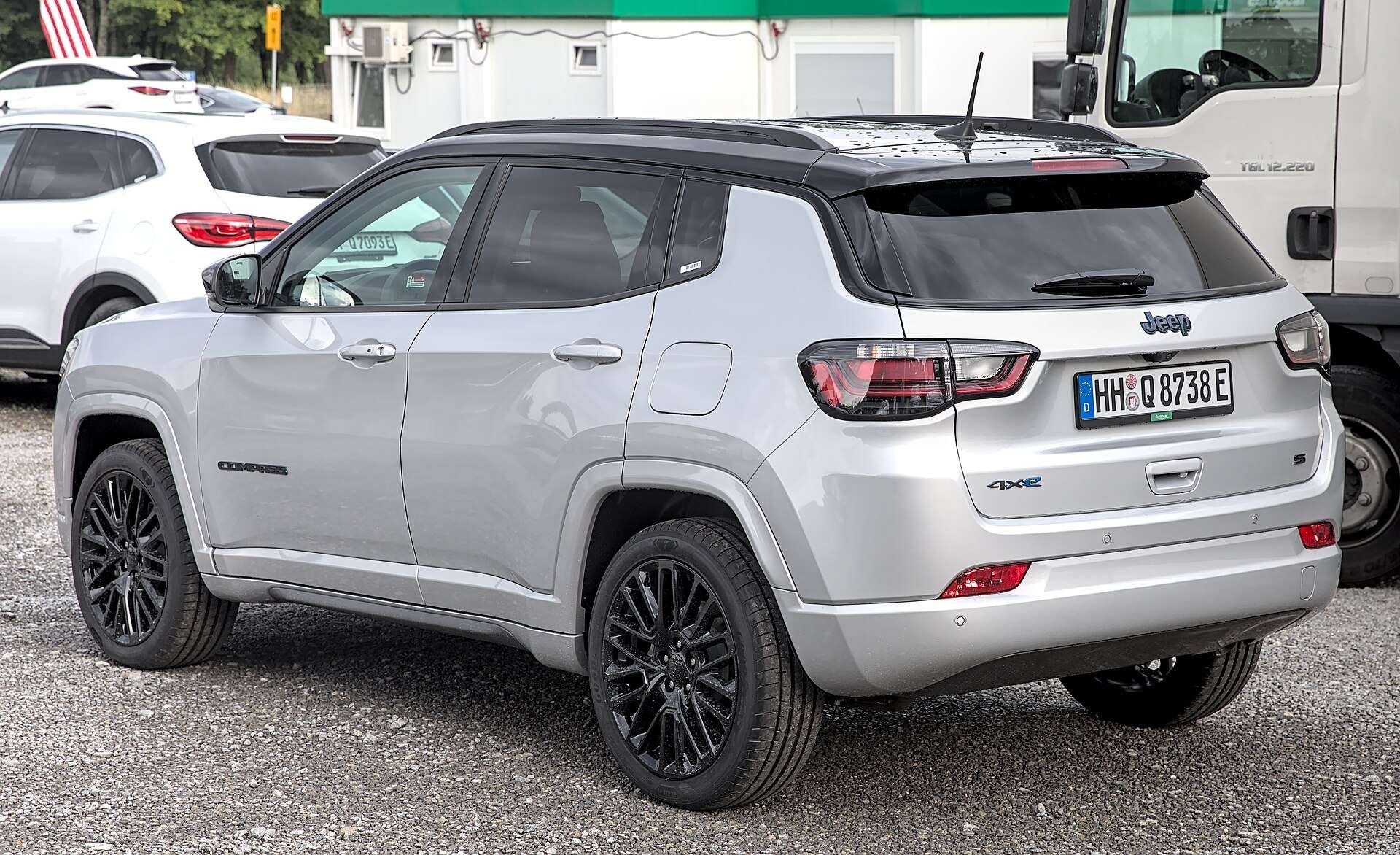
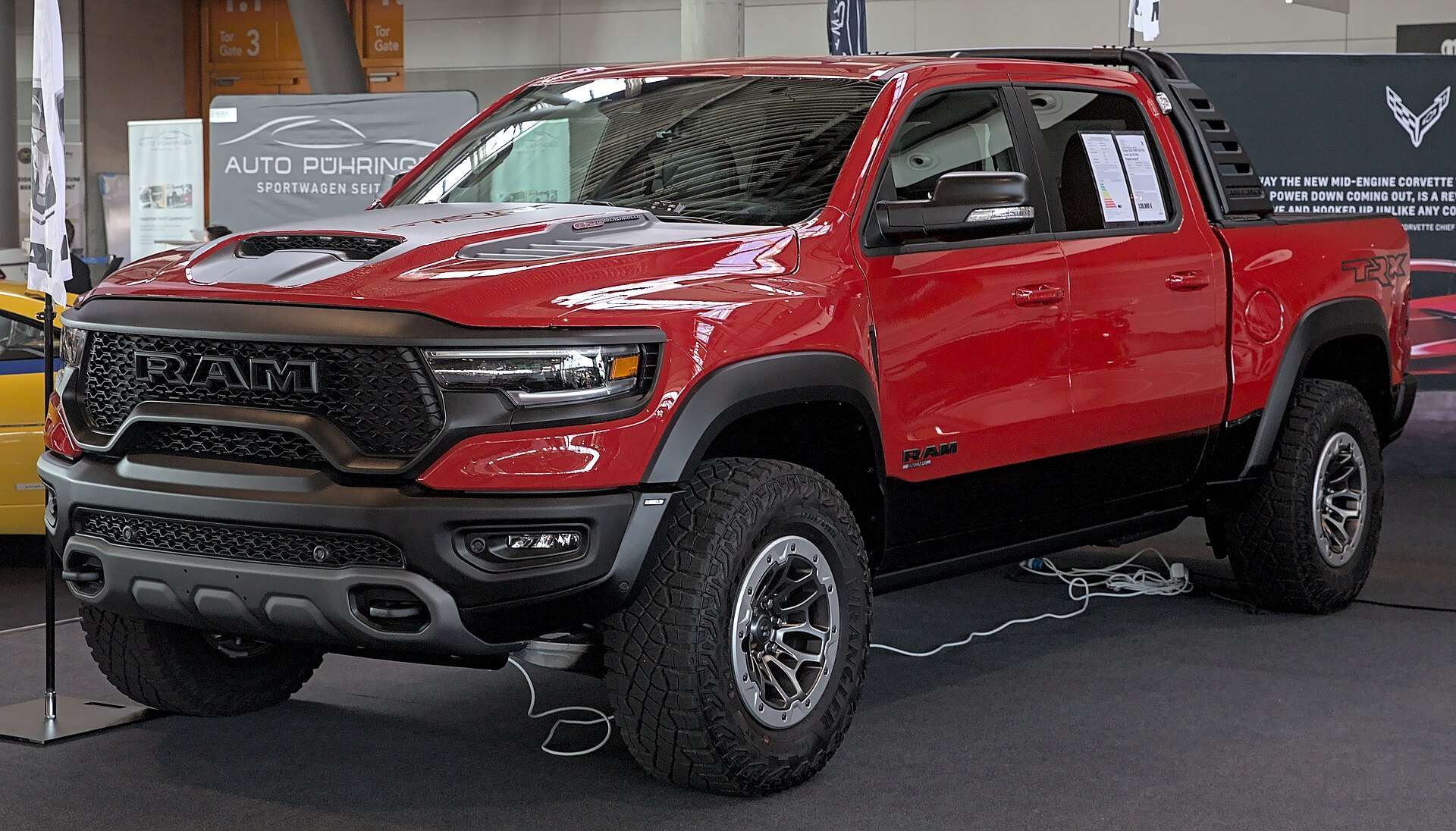
Stellantis attributes the drop mainly to planned production downtime on certain Jeep models. The Grand Cherokee and Compass each shipped about 25,000 fewer units than in the third quarter of 2025. Ram shipments rose about 17,000, which the company ties to the Ram 1500 HEMI V8 and the new Ram 1500 TRX. That arithmetic is minus 25,000, minus 25,000 and plus 17,000, or minus 33,000. The release does not break out the other 14,000 vehicles in the 47,000 decline.
Shipments and sales are different numbers
Stellantis defines shipments as vehicles delivered to dealers, distributors, or directly to retail and fleet customers, and says they generally drive revenue recognition. Revenue generally follows the shipment, not the sale to a customer. The dealer, typically financing the vehicle with a floorplan loan, owns it until a retail customer buys it. A manufacturer can therefore report more revenue by shipping more than customers buy, and the cost returns later as incentives and aging stock.
In the third quarter Stellantis went the other way. North American shipments fell 12% while sales rose 1% across the region, with U.S. and Canadian sales each down 0.3% and Mexico up 24%. U.S. sales came to 324,277 vehicles. North American net revenues fell 3% to 15,586 million euros, which the company attributes to lower volumes from planned downtime. By The Auto Wire’s subtraction, the region’s adjusted operating result improved by 539 million euros on that lower revenue.
What dealer lots looked like at the end of September
Cox Automotive’s September inventory report put Jeep at 169 days of supply, Ram at 152 and Dodge at 149, against 82 for the industry and 35 for Toyota. By model, the Jeep Grand Cherokee had 179 days, the Wrangler 162 and the Ram 1500 142. Ram’s U.S. sales rose 29% in the quarter, and it still carried 152 days. Stellantis shipped fewer Grand Cherokees and Compasses and Jeep lots remained this full. The Auto Wire’s earlier look at September inventory by brand covers the wider market.
Stellantis has said where it wants inventory to go. Its outlook calls for “Management of North America inventory, with December 2026 converging to a similar level as compared to December 2025.” The release does not define the measure. Cox’s December 2025 report had Jeep at 130 days and Ram at 115. If that is the target, Jeep needs to lose 39 days of supply by year-end and Ram 37, in three months.
Days of supply fall when dealers sell more or when the factory ships less, and the third quarter shows which lever Stellantis pulled. The quarter carried other costs. The company reported 31 million euros of North American product plan realignment and program cancellation costs in the quarter and 252 million euros so far this year, and it flagged memory chip costs and recall costs as headwinds for the fourth quarter.
What to watch before year-end
Cox’s next monthly inventory report, covering October, will show how much of the 39-day Jeep gap closed. Stellantis’ fourth-quarter shipments release will show whether it held shipments down or sent dealers more vehicles again. Wrangler sales rose 5% in the third quarter and the Durango had its best third quarter since 2005, according to the company, so some Jeeps and Dodges are moving. The Grand Cherokee is the one to watch: 179 days of supply and one of the two biggest shipment cuts.
Cox puts the Grand Cherokee at 179 days of supply. If you’re cross-shopping one this month, how hard are you pushing on price, and what’s the best number a Jeep store has quoted you?