
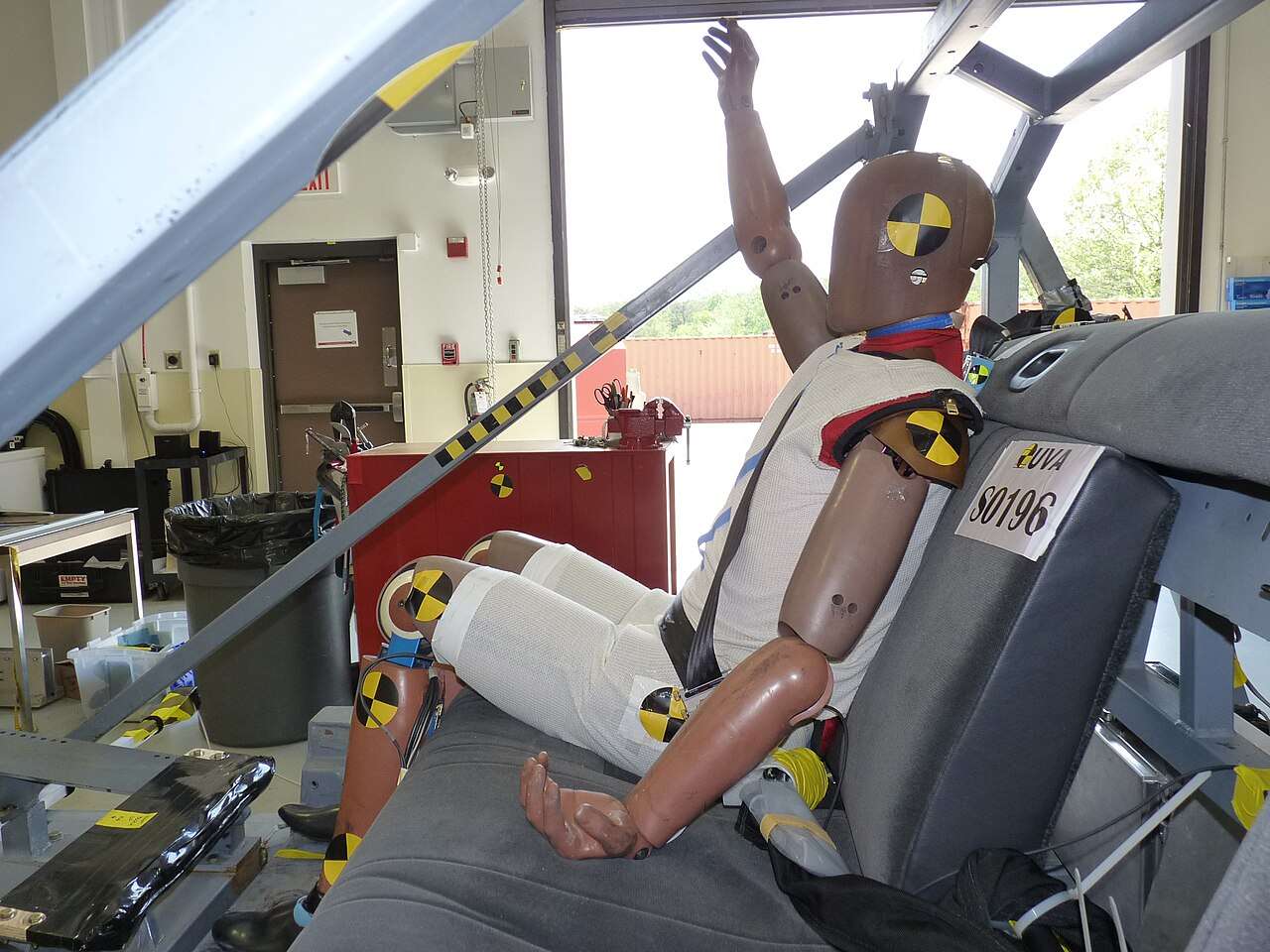
Tucked into the Federal Register on September 22 was a notice with a title only an engineer could love: “Part 572; Anthropomorphic Test Devices; THOR-50M.” It’s the third round of paperwork in NHTSA’s three-year effort to adopt the THOR-50M crash test dummy. THOR is the far more sensitive successor to the dummy that has stood in for the average American man in frontal crash tests since the 1980s.
Most of the notice is exactly as dry as it sounds. But a footnote and a few paragraphs in the middle carry a real decision. The government is proposing to write a patented part, made by one company, into the spec for its next crash dummy. A competing version was left out. NHTSA’s test unit ran into durability problems before the agency could finish evaluating it.
What the THOR-50M crash test dummy notice actually changes
NHTSA first proposed adding THOR-50M to its regulations on September 7, 2023. A supplemental notice followed on July 9, 2024. NHTSA Administrator Jonathan Morrison signed this latest one on September 21. It proposes three changes:
Buyer’s guide: Best Dash Cams for Every Budget (2026 Buyer’s Guide)
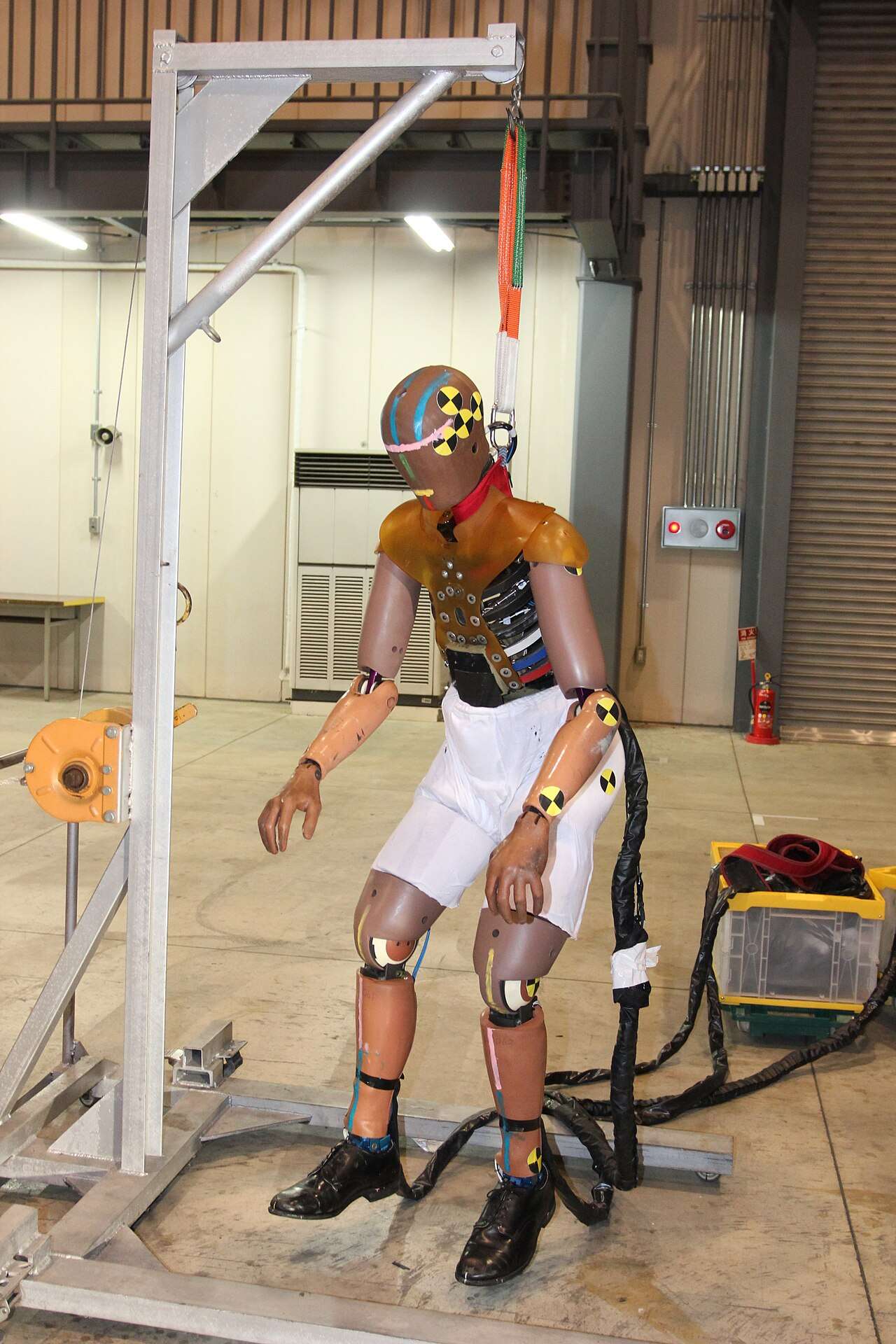
- A second spine option. The 2023 proposal used a “posture adjustment joint” that tilts in three-degree steps. Mercedes, GM, Volkswagen, and airbag supplier Autoliv asked NHTSA to also allow the four-position spine used overseas. The notice says it is “easier to change with reduced risk of positioning errors.” One technician can set it instead of two. NHTSA’s testing found the two spines perform the same, so it proposes allowing either one.
- A 3D-printed face. The current face is confor memory foam. It has to be struck repeatedly to land inside its test window. It also needs a 24-hour recovery period between qualification tests. The alternative is a 3D-printed thermoplastic polyurethane insert. Per NHTSA, it doesn’t need multiple hits and doesn’t drift with repeated impacts. The foam stays as an option.
- A sturdier upper-arm joint. The upper arm clevis would be updated to match current production parts for better durability.
The fine print: a patented spine, and a rival left on the bench
Here’s the part that didn’t make any headline. Two companies build a four-position THOR spine: Humanetics Innovative Solutions and the Kistler Group. NHTSA is proposing to specify only the Humanetics version.
That Humanetics spine is patented. A footnote lists U.S. Patent No. 9,965,977 and European patent EP3040960. NHTSA spends several paragraphs justifying the choice. Its core argument is that buyers still have an option, because the original spine carries no intellectual property claims. So NHTSA “tentatively believes that specifying a patented component would be acceptable.” If the patented spine were ever the only option, Humanetics would provide a notice of abandonment or a letter of non-enforcement.
As for Kistler, the reason it isn’t in the spec is almost mundane. NHTSA says it “encountered issues with durability of the dummy during testing.” As a result, it was “unable to evaluate the Kistler four-position spine fully.” The rival design didn’t lose on the merits. It never finished the audition.
There’s also a quiet harmonization gap. NHTSA says its THOR would match “some, but not all” of the specs used by overseas NCAP programs. It also skips the visual-inspection-only check for face foam used in Europe. Automakers selling cars on both sides of the Atlantic, like the ones chasing Euro NCAP stars, may still end up maintaining dummies built two slightly different ways.
Who this affects
Automakers and suppliers. Major automakers run their own crash labs and keep fleets of test dummies. The final spec dictates which parts they stock and which vendors they buy from. The commenters so far read like a who’s who. They include Mercedes, GM, Volkswagen, Autoliv, the Alliance for Automotive Innovation, and Humanetics itself.
Test labs. The 3D-printed face is a bigger deal than it looks. Dropping the 24-hour foam recovery wait means more tests per week on the same hardware. The agency says the options could “reduce testing and part replacement costs.”
Dummy makers. In a market this small, a spot in a federal spec is a big commercial advantage. Kistler’s path in now depends on NHTSA finishing its evaluation. Public comments could also push the agency to broaden the language.
Why drivers should care about a dummy’s spine
NHTSA is careful to say this rule “does not require the use of the THOR-50M in regulatory or consumer information crash testing.” That’s true, and it’s also the point. A dummy has to be defined in Part 572 before the agency can build a safety standard or crash-rating test around it. This rulemaking is the plumbing. It has to be finished before THOR can help decide which new cars earn good scores.
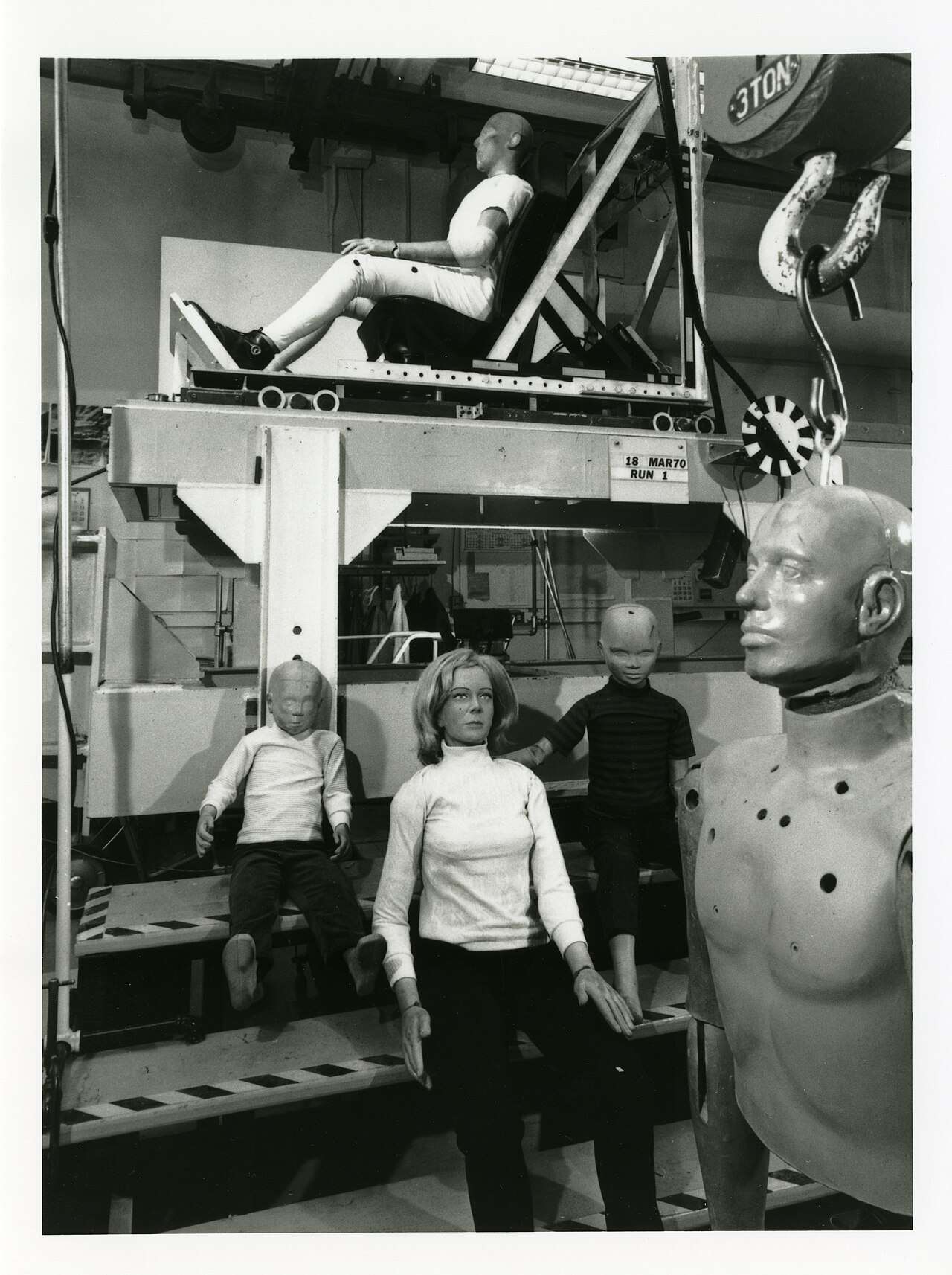
That matters because the dummy decides what gets measured. THOR is built for frontal crashes. It carries far more instrumentation than the Hybrid III design it would succeed, which dates to the 1970s. A more sensitive dummy can register injuries an older one misses. And automakers engineer to whatever the dummy can feel. A rating is only as useful as its test, a point that came up with Honda’s new five-star road safety score.
The slow pace is its own story. This rule has been open in some form for three years. Nothing in this notice sets a date for putting THOR to work. For owners, the recall and complaint process is still the safety net that matters day to day. You can see how that’s going in our latest recall roundup and in the Honda Civic seat belt complaints piling up at NHTSA.
How to weigh in
Comments are due by October 22, 2026. File them under docket number NHTSA-2023-0031 at Regulations.gov. The full notice, Federal Register document 2026-19370, is available on the Federal Register.
Should a federal safety spec ever name a part only one company can legally make? Or is getting a better crash dummy into service faster worth that trade-off? Share your take in the comments.