
Modern LED headlights are sold as the set-and-forget part of a new truck. They’re supposed to outlast the transmission, the tires, and probably the owner’s patience with the infotainment screen. Ford just learned that a microscopic flaw several suppliers upstream can undo all of that.
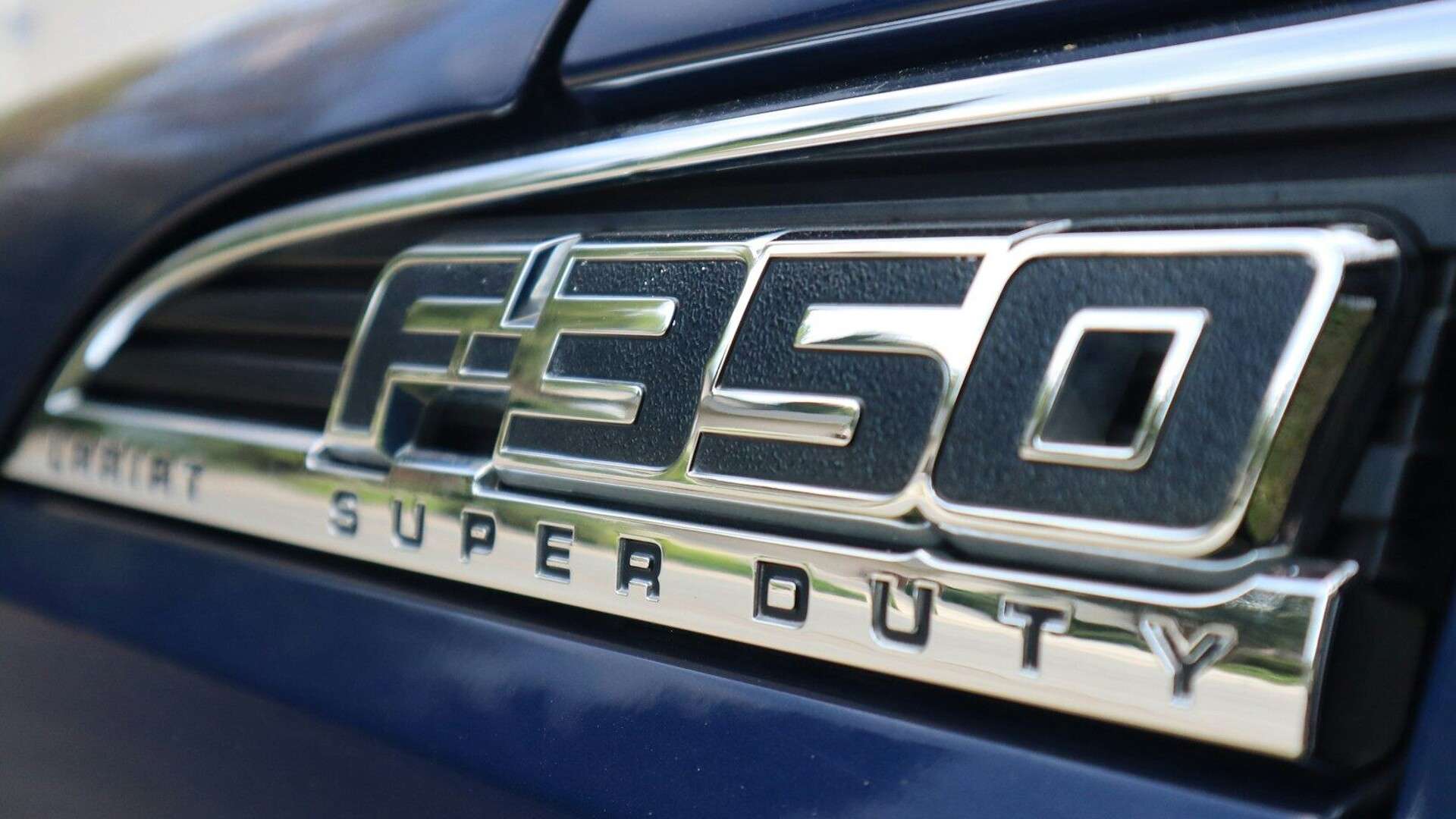
The automaker has filed a federal recall report covering 2025–2027 Expedition SUVs and 2026 Super Duty pickups whose headlamps may go dim or dark. The filing lists 41,748 vehicles in total, though Ford estimates only about 1% actually carry the defect. The breakdown is 17,512 F-250s, 10,295 F-350s, 523 F-450s, 120 F-550s, and 13,298 Expeditions. nhtsa
What actually went wrong
The headlamps themselves aren’t badly designed. The problem lives inside the light-emitting chip. Ford says the LED chips may have picked up contamination at the chip maker’s own factory. The assemblies come from Flex N Gate, Ford’s Tier 1 lighting supplier in Effingham, Illinois, but investigators traced the contamination back to a Tier 3 chip supplier. Ford doesn’t name that company. nhtsa
Related Articles
- Spotter Lawsuit Verdict: Jennifer Jo Cobb Faces $850,002 Under NC Heart-Balm Law
- CarMax Now Makes $111 Less on Each Car and $116 More on Everything Sold With It
That supply-chain depth is the real lesson. Ford buys a headlamp. Flex N Gate builds it using components from other vendors, one of whom sources the actual semiconductor die. A contaminant trapped under an LED chip can disrupt the electrical and thermal path that keeps it lit, and it’s essentially invisible until the lamp fails. No amount of end-of-line visual inspection at the truck plant was going to spot it.
Which lights fail, and how you’d know
The symptoms vary by truck and headlamp type, which matters for diagnosis. Super Duty trucks with LED reflector or LED projector headlamps may lose daytime running lamps and parking lamps. Reflector-equipped Super Duties may also lose low or high beams. On the Expedition, the risk is limited to low and high beams on reflector-headlamp versions. nhtsa
Here’s the catch for owners. Ford says a dashboard warning comes on when low or high beams fail. The filing mentions no warning for dead DRLs or parking lamps. On a Super Duty, those could quietly fail without the truck telling you. Do a walk-around with the lights on. It takes 30 seconds and it’s cheaper than a ticket. nhtsa
The four-month rule nobody’s talking about
The most useful detail in the filing is how Ford chose which vehicles to include. The recall covers vehicles from the suspect build window that were either unsold or had under four months in service as of September 15, 2026, because field data shows the failure shows up very early in a vehicle’s life. nhtsa
In plain terms, Ford’s betting that a contaminated chip dies young. If your truck came from the build window and its headlamps have been fine for six months, Ford’s data says you’re probably in the clear, and you may not be in the recall population at all. That’s a reasonable engineering call, but it’s still a bet. If your lights fail later, push the dealer to look at this campaign rather than treating it as a random warranty repair.
Production dates run August 4, 2025, through August 4, 2026, for the Super Duty trucks, and June 24, 2025, through July 2, 2026, for the Expedition. Ford warns these vehicles weren’t built in VIN order, so a dealer lookup or Ford’s customer line (1-866-436-7332) is the most reliable way to check eligibility. nhtsa
How Ford found it
Warranty claims on dead LED headlamps in 2026 Super Duty trucks reached Ford’s Critical Concern Review Group on May 21, 2026. Investigators used warranty returns and shipping records to pin down affected builds at Kentucky Truck Plant, then tightened the window in September with new traceability data from Flex N Gate. As of September 10, Ford counted six warranty claims and six field reports across six VINs, with no known crashes or injuries. Manufacturer Information Population Manufacturer Name: Ford Motor Company
Six failures triggering a 41,000-vehicle recall might sound like overkill. It isn’t optional. Ford’s safety office concluded affected vehicles may not comply with Federal Motor Vehicle Safety Standard 108, which governs vehicle lighting. A compliance failure means a recall and a free fix under federal law, regardless of how rare the defect turns out to be. nhtsa
Related Articles
- Iowa Lawyer Gets Prison for Telling Medicaid the Rolls-Royce He’d Crashed Was Worth $194,000
- GM Lost 41,028 EV Sales After the $7,500 Credit Died. Its Entire U.S. Drop Was 39,373.
This isn’t Ford’s first headlamp headache this year. Back in the spring, a separate recall covered certain 2025–2026 Explorers with incorrect headlamp control module software calibration, following NHTSA compliance testing. That one was code. This one is silicon. nhtsa
The fix and the timeline
Dealers will inspect both headlamp assemblies and replace any that fail, free of charge. Replacement units are built without the contamination. Expect full assembly swaps rather than component-level repairs. LED headlamps are sealed units, which is precisely why they’re expensive to replace out of pocket. nhtsa
Dealer notification is scheduled for October 26–30, VINs become searchable on NHTSA’s site October 26, and owner letters should go out November 6–13. Ford’s recall number is 26C43. nhtsa
If you’re shopping a 2026 Super Duty or late Expedition, run the VIN after October 26. Any truck still sitting on a lot from that build window should be checked before you sign, not after you discover dark headlights on a rural highway.
Super Duty and Expedition owners: has a headlamp gone dim on you yet, and did the dealer take it seriously?