
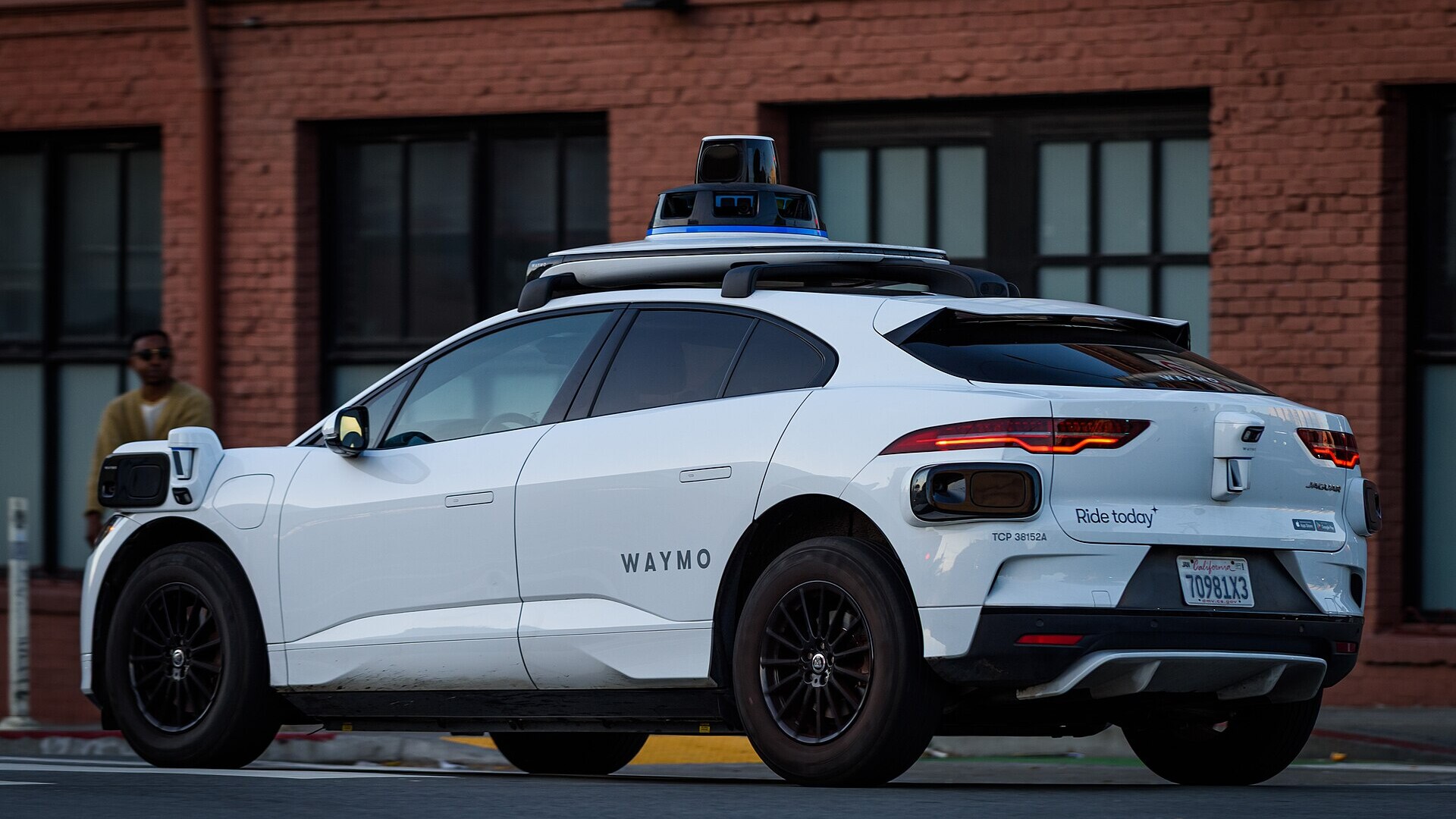
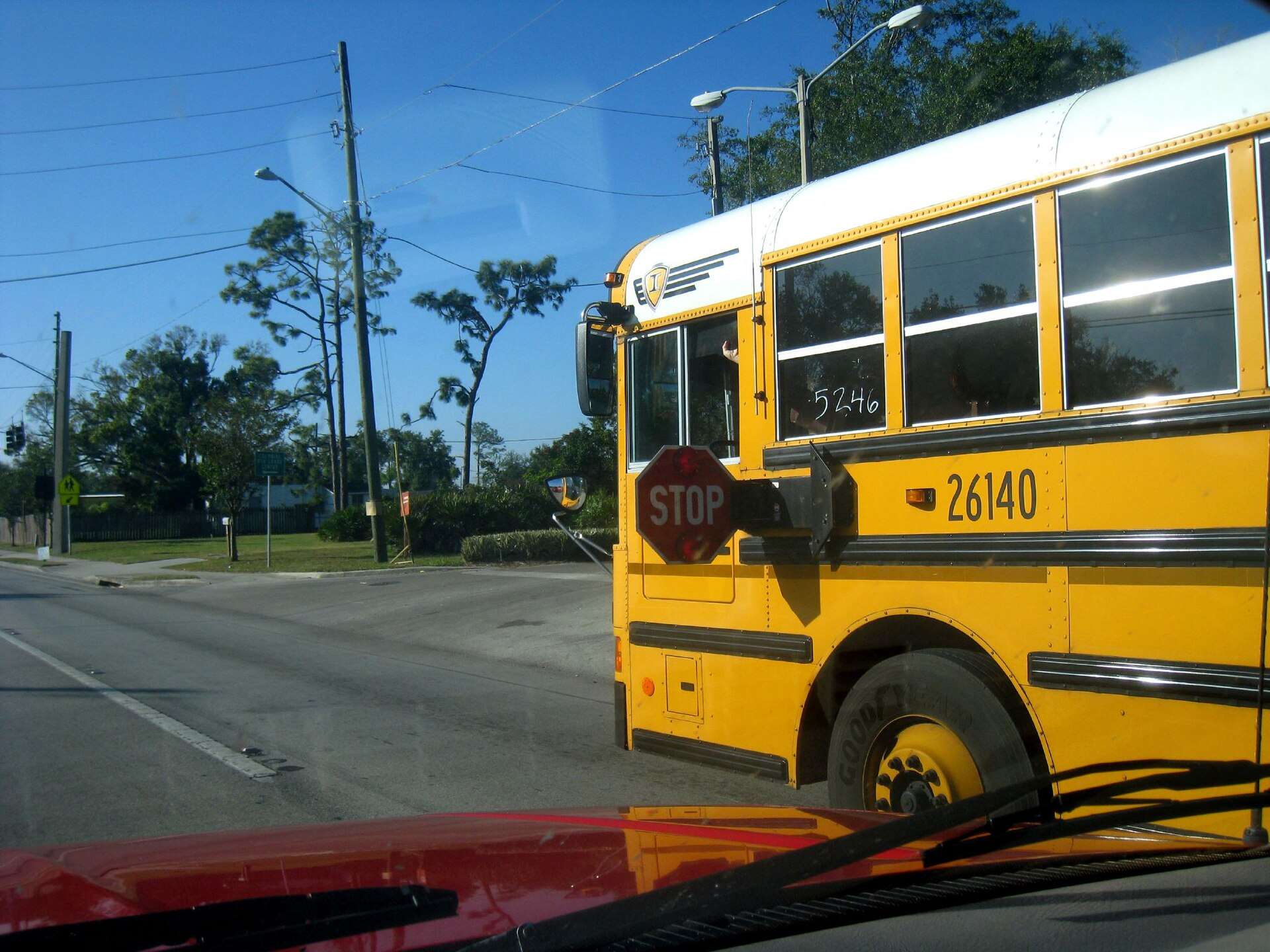
At about 7:55 a.m. on Jan. 12, an empty Waymo Jaguar I-Pace was the first car to stop behind an Austin ISD school bus loading students on East Oltorf Street, red lights flashing and stop arms out. The robotaxi then sent a question to Waymo’s remote assistance staff: did the bus have active signals? An agent in Novi, Michigan, answered no, and the SUV drove past the bus with its stop arms still extended, according to the National Transportation Safety Board’s preliminary findings.
That pass came eight weeks after Waymo finished installing a software fix for this behavior across its driverless fleet, and a month after it filed that fix with federal regulators as a recall. The fix changed what the car’s code decides to do when it is stopped beside a school bus. The Jan. 12 failure came from the person the car asked for help. A year after the National Highway Traffic Safety Administration opened its school-bus investigation into Waymo, that human layer is the one part of the system that recall law, Austin’s camera tickets and Texas’s new robotaxi permits barely touch.
How an Atlanta video became recall 25E-084
NHTSA’s Office of Defects Investigation opened preliminary evaluation PE25013 on Oct. 17, 2025, after a media report of a Waymo driving around a stopped school bus in Atlanta on Sept. 22. The agency’s opening summary says the car stopped, then went around the front of the bus, past the extended crossing control arm near students getting off and past the extended stop arm. Nobody was in the driver’s seat. Because Waymo’s fleet was then logging about 2 million miles a week, NHTSA wrote that other similar incidents were likely.
Austin had already started counting. On Nov. 24, ODI Director Tanya Topka emailed Waymo about a letter from the Austin school district that documented 19 incidents and asked the company to stop driving during student pickup and drop-off times. She asked whether Waymo would pause during those hours, whether it had a software fix and whether it planned to file a recall. On Dec. 3, the agency followed with a formal information request, and on Dec. 10 Waymo filed safety recall 25E-084.
The recall report covers 3,067 vehicles running fifth-generation driver software from the Aug. 20, 2025, driverless release up to the Nov. 5 release. Waymo wrote that a car stopped for a school bus could decide it was impeding the bus or another priority vehicle and pull away before the lights went off or the stop arm folded in, a side effect of changes to how the software predicts what other road users intend to do. The remedy tells the car that staying put for a school bus outranks moving out of someone’s way. Waymo said it knew of 12 citations tied to the behavior, issued for events from Sept. 25 through Nov. 14, and no collisions.
The dates in that report show what a recall means when the manufacturer owns every car. Waymo’s field safety committee approved the fix on Oct. 30. It went out over the air as a hotfix between Nov. 5 and Nov. 17. Waymo’s safety board decided on Dec. 2 to treat it as a recall, and the filing reached NHTSA eight days later with the remedy already on every affected vehicle. There were no owner letters to mail and no service appointments to book. For a fleet like this, the recall is the public record of a repair that is already finished, plus a remedy NHTSA can now hold the company to.
The passes that came after the fix
Austin ISD kept recording violations after the update. The district logged Waymo passes on Dec. 11, 12 and 19 and again on Jan. 12, bringing its count to 24 for the school year, CBS Austin reported on Jan. 15. Waymo told the station it had seen “material improvement in our performance since our software update.” The NTSB opened its own investigation in January, and so far it has published an account of only one of the post-fix passes, the one on Jan. 12.
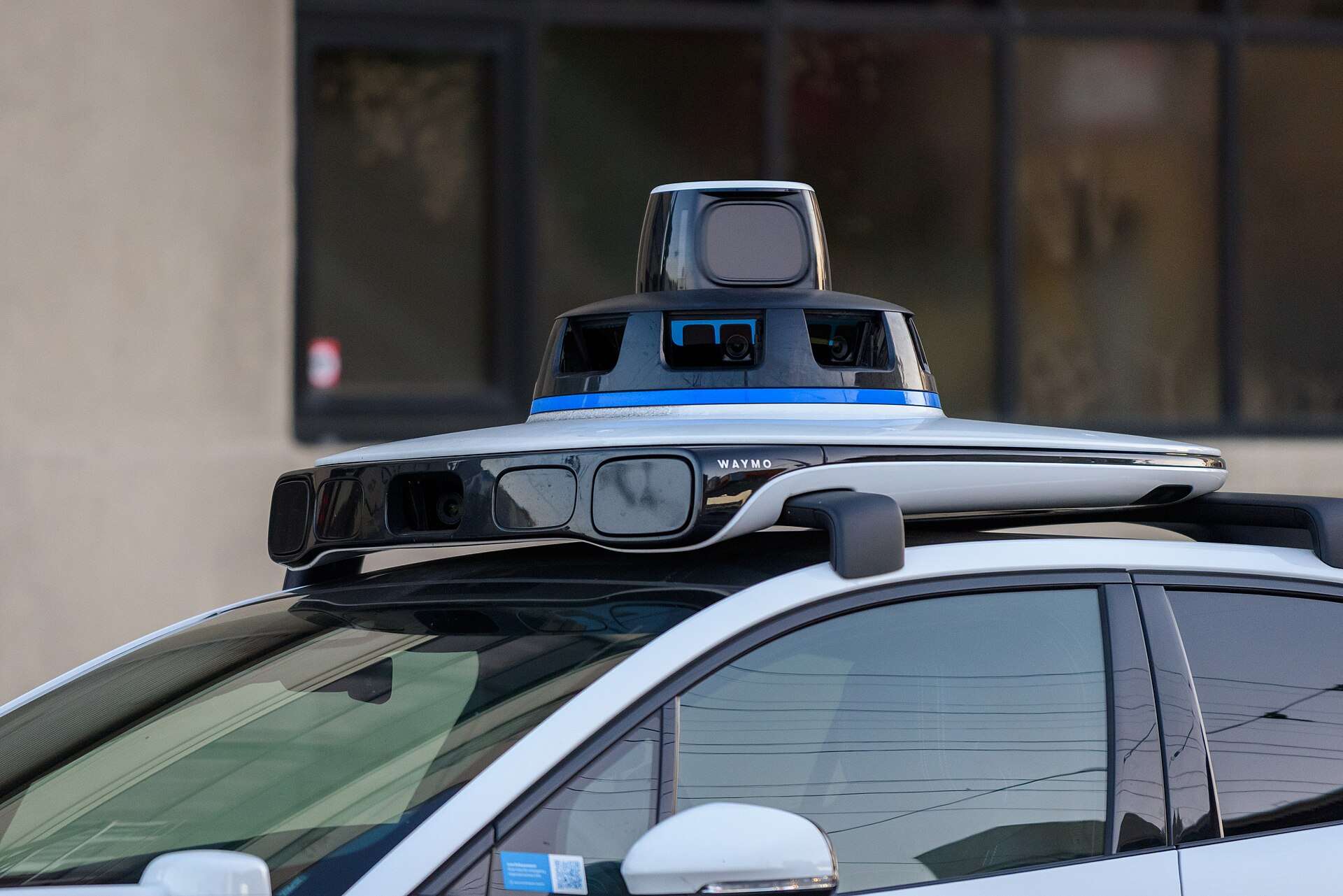
That account runs through remote assistance, which Waymo describes as advice rather than driving. In a Feb. 17 letter to Sen. Ed Markey, Ryan McNamara, Waymo’s vice president and global head of operations, wrote that agents “do not directly control, steer, or drive the vehicle.” The car starts the conversation, gets an answer and decides whether to use it. About 70 agents are on duty at any time, roughly half in the U.S. and half in the Philippines, working from centers in Arizona, Michigan and two Philippine cities. Waymo’s post the same day put the fleet at about 3,000 vehicles, which works out to roughly one agent on duty for every 43 cars. That is The Auto Wire’s division, using Waymo’s figures.
A car that asks whether a bus has active signals is a car whose own sensors and software could not settle the question. Once it asks, the answer it gets back carries the decision. Waymo has said its driver “does not rely solely on the inputs it receives from the fleet response agent,” in a November 2025 post on an outside audit of the program. On Jan. 12, the agent’s answer was wrong, and the car acted on it with the stop arms still out. Markey’s office made the same connection in a March 31 report: every company he surveyed said its system would ignore dangerous remote advice, and he cited the NTSB’s Waymo investigation as reason to doubt it.
NHTSA was asking about this before Jan. 12. Its Dec. 3 letter told Waymo to describe the role remote assistance plays when its cars meet stopped school buses and to explain the design of the remote assistance interface, with answers due Jan. 20. The recall Waymo filed a week after that letter changed the driving software’s priorities. Nothing in the recall report addresses what an agent sees on screen, how the car’s question is worded, or what happens when the agent gets it wrong. No federal motor vehicle safety standard covers any of that either.
Austin’s $300 notices and Texas’s permit rules
Every Austin ISD bus carries an AI-powered stop-arm camera from BusPatrol. Law enforcement reviews the footage, and a notice of violation goes to the vehicle’s registered owner under Chapter 12-1, Article 7 of the Austin City Code, according to the district’s transportation FAQ. The fine is $300, and it is a civil penalty that stays off driving records and is not reported to insurers. Texas’s 2025 robotaxi law also sends traffic citations for a driverless commercial vehicle to its owner or permit holder, which we covered in our story on Tesla robotaxis and school-zone speeding. So Waymo gets the same $300 envelope a parent gets when a teenager borrows the minivan. The district’s 20 citations through Dec. 1 come to $6,000 at that rate.
The money was never the useful part. The camera evidence gave Austin a documented count, the count went into the district’s letter, and the letter is what NHTSA’s defects chief cited to Waymo about two weeks before the recall. California has a different system: it now hands robotaxi companies a notice of noncompliance with no fine attached. In both places, a ticket for a driverless car mostly matters as a record a regulator can use later.
Texas’s stronger lever is newer. Under Senate Bill 2807, companies that run driverless vehicles commercially need an authorization from the Texas Department of Motor Vehicles, and statewide enforcement began May 28, 2026. Applicants certify that each vehicle can comply with Texas traffic laws. The department can suspend or revoke an authorization when a vehicle’s operation has caused, or is likely to cause, serious bodily injury, but the bill analysis says it must first send a notice of intent and give the company a reasonable period to fix the problem. A fleet-wide software update is that kind of fix, and Waymo has already shown it can push one to its whole fleet in under two weeks. Local police and the school district do not hold this lever at all. TxDMV handles authorizations, while state troopers and local officers handle traffic enforcement.
Human drivers pass Austin buses far more often
Waymo’s two dozen violations sat inside a much larger number. The same CBS Austin report said the district had issued more than 7,000 school-bus citations that school year. On Jan. 12, the NTSB counted six vehicles passing the stopped bus in all. The Waymo was one, and the others included a car that had been following it. Waymo told CBS News its cars show a fivefold reduction in injury-related crashes compared with human drivers and 12 times fewer injury crashes involving pedestrians, figures that are the company’s own.
A fleet fails differently, though. One software decision, or one remote assistance screen, runs across 3,067 cars at once, and that is why a single Atlanta video was enough for NHTSA to predict more incidents. It also explains why the agency opened a second preliminary evaluation, PE26001, on Jan. 28, after a Waymo struck a child who ran out from behind a double-parked SUV two blocks from a Santa Monica elementary school during drop-off. The child had minor injuries. That probe asks how Waymo’s software behaves in school zones during pickup and drop-off hours.
What the NTSB, NHTSA and Congress decide next
The NTSB has not yet determined a probable cause for the Jan. 12 pass, and its case page says it intends to issue safety recommendations. Recommendations that address remote assistance, covering who the agents are, what they see and whether a single “no” from a remote screen can release a car stopped next to children, would put a federal agency on record about a job no federal safety standard describes. NHTSA can close PE25013 or upgrade it to an engineering analysis, the next stage of a defect investigation and the one from which the agency can formally ask for a recall instead of waiting for one. Markey has said he will introduce legislation setting standards for where remote operators work, how fast their connections must be, what qualifications they need and what companies must report.
Austin will run its own test sooner. Its buses still carry the cameras, and the district has not published a Waymo count for the current school year that I could find. The first number it releases will show whether the software fix and whatever Waymo has changed in remote assistance since January are holding up at real bus stops, with real kids getting on.
If a robotaxi can’t tell whether a school bus has its lights on, should it be allowed to take a remote worker’s word for it, or should it have to wait until the bus pulls away?