
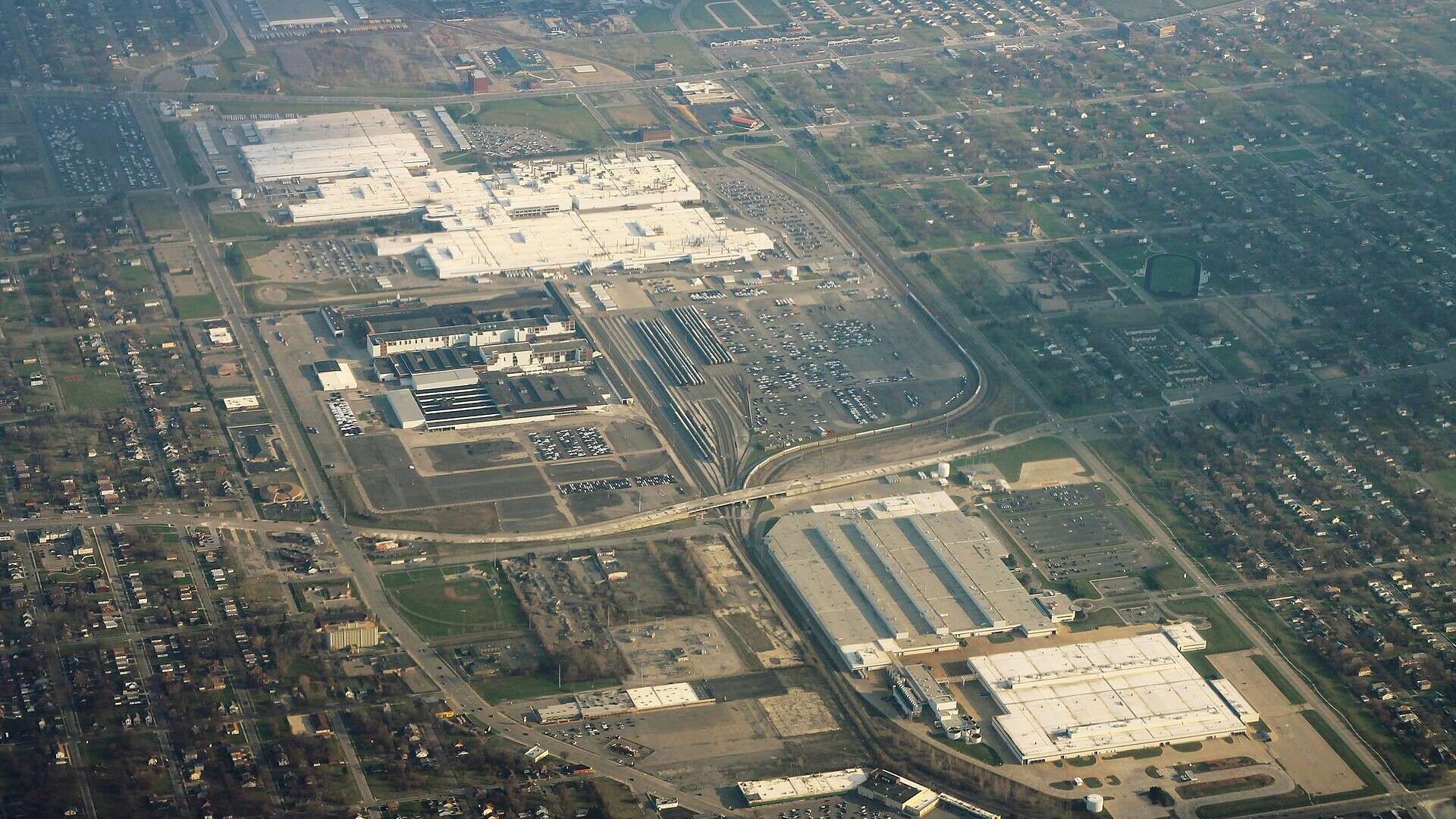
Dakkota Integrated Systems will close its instrument-panel plant on Detroit’s east side and lay off 397 people, according to a notice posted by Michigan’s Department of Labor and Economic Opportunity. The state lists the layoff date as Dec. 31, 2026, and the reason as “Reduced business/work.” The Jeep Grand Cherokees and Dodge Durangos that plant has supplied will keep rolling down Stellantis lines a short drive away.
The plant at 5905 Van Dyke, on the grounds of the old Kettering High School, was sold to the public as proof that a new Jeep factory would pull supplier jobs into the neighborhoods around it. It got state grants, a long-running tax break, federal tax-credit financing and a hiring pipeline for Detroit residents. It is closing after about six and a half years of production, and the vehicles it was built to feed are not ending.
What the state filing and the company’s history show
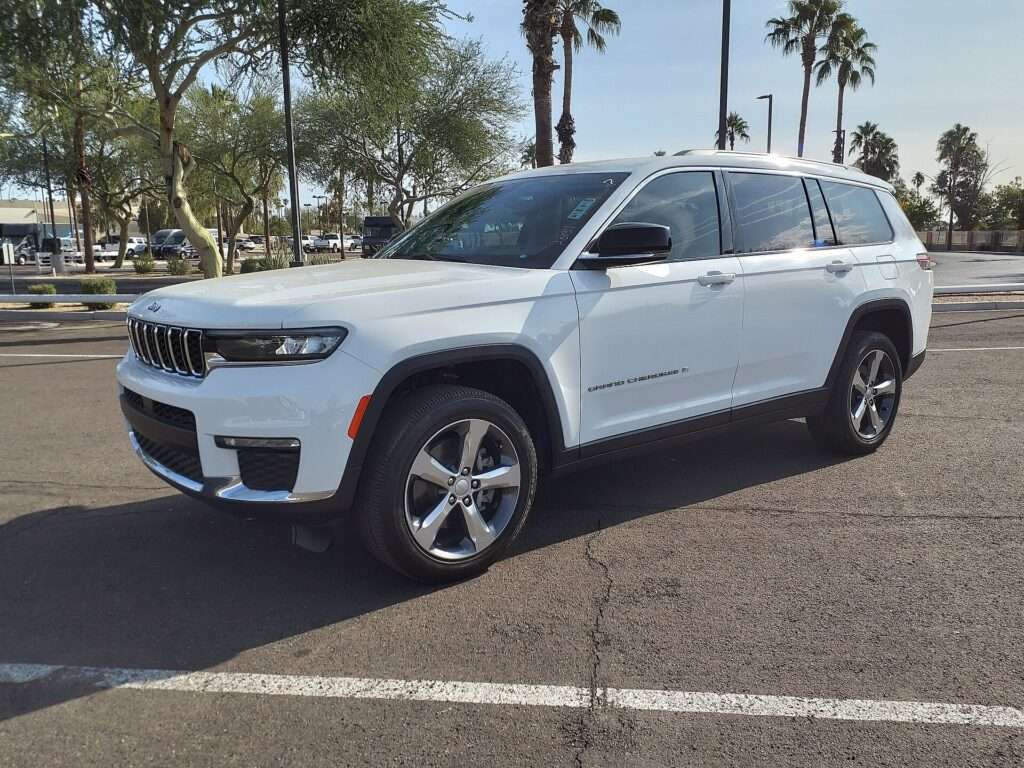
Michigan’s WARN listing classifies the Detroit action as a closure in Wayne County affecting 397 jobs. Crain’s Detroit Business reported that the closure follows Dakkota’s loss of contracts on two SUVs. When the plant was shown off in 2022, the company said it built instrument panels for the Grand Cherokee and Durango, the Detroit Free Press reported at the time.
A second Dakkota site is on the same state list: 16130 Grove Road, a Lansing mailing address in Clinton County, closing Dec. 31 with 67 jobs. The state’s entry gives no reason for that one. WILX reported the notice lists 41 operators, eight material handlers and four team leads, plus engineering, maintenance, planning, quality and supervisory staff. Combined, that is 464 Dakkota jobs in Michigan ending this winter.
Dakkota may have chosen part of this. In February, Crain’s reported that Dakkota, owned by founder Andra Rush, had ceded large Stellantis contracts to another supplier as it pursued higher-margin work, citing legal records and people close to the matter. I could not find a public statement from Stellantis or Dakkota naming the supplier taking over the Detroit work or where it will be done.
The public money behind the Kettering site
The plant was the first supplier win tied to Fiat Chrysler’s 2019 decision to spend $1.6 billion converting the Mack Avenue engine complex into an assembly plant for the next-generation Grand Cherokee and a three-row Jeep, plus $900 million at Jefferson North. That deal depended on the city assembling land under a memorandum of understanding with the automaker. Once it closed, the city went looking for suppliers.
Dakkota was the first. The Detroit Economic Growth Corp. said the company bought about 32 acres of the vacant Kettering and Rose school sites from the Detroit Public Schools Community District for $2.6 million. In January 2020, the Michigan Strategic Fund approved a $1.5 million Michigan Business Development Program grant and a 15-year Renaissance Zone designation the state valued at an estimated $3.5 million, for a project the state described as up to $45 million in investment and 400 jobs. Dakkota picked Detroit over sites in Ohio and Canada, according to the state.
The financing stack did not stop at the state. The New Markets Tax Credit Coalition’s project record lists a $10.5 million federal New Markets Tax Credit allocation from Michigan Community Capital toward a $33,154,133 project, with 473 full-time jobs, in a census tract where 55.7% of residents lived below the poverty line. New Markets credits exist to draw private investment into low-income tracts; investors get a federal tax credit over seven years in exchange for putting capital into qualifying projects.
Ground was broken in January 2020 and the plant began operating in July 2020. By 2022 it employed 500 people, and the company said pay ran from $15.50 to $20.25 an hour, per the Free Press. Dakkota’s own announcement of the opening said it gave hiring priority to residents of the plant’s ZIP code and four neighboring Detroit ZIP codes, and quoted Mark Stewart, then Stellantis’ chief operating officer for North America, congratulating the company on a facility “in support of our Detroit assembly plants.”
The Renaissance Zone designation was set to run 15 years from 2020. The plant will close more than eight years before that designation runs out. Whether the state’s grant agreement carried job-retention terms that reach this far out is a question for the Michigan Economic Development Corp., which administers the program; the 2020 release did not spell them out.
Why dash-panel plants sit next to assembly plants
An instrument panel on a modern SUV is rarely a single molded part. Suppliers like Dakkota typically deliver it as a cockpit module: the panel skin and substrate, the cross-car steel beam that ties the A-pillars together and carries the steering column, the HVAC box, ducting, wiring, and often the passenger airbag, built up and tested before it reaches the assembly line. Each module matches a specific vehicle on the line, with the right trim, the right screen, the right heated-wheel switchgear, so it ships in the exact order the bodies are coming down the line. The industry calls that just-in-sequence.
Sequenced parts are bulky, expensive to store and useless if they arrive out of order, so the plant that builds them has to sit within a few hours’ truck time of the assembly line, and often much closer. That is the economic logic Detroit was selling in 2020: if the Jeeps are built on Mack and Conner, the cockpit modules have to be built nearby, and nearby could be the east side.
Proximity explains why the work came to Kettering, but it ties the work to the assembly plant, not to any one supplier’s building. Whoever takes over the Grand Cherokee and Durango cockpits still has to build them close to the Detroit Assembly Complex, so the work is likely to stay in the region. The 397 jobs attached to Dakkota’s building on Van Dyke are a separate matter, and nothing public so far says they follow the contract.
The Durango and Grand Cherokee keep going with a new dash supplier
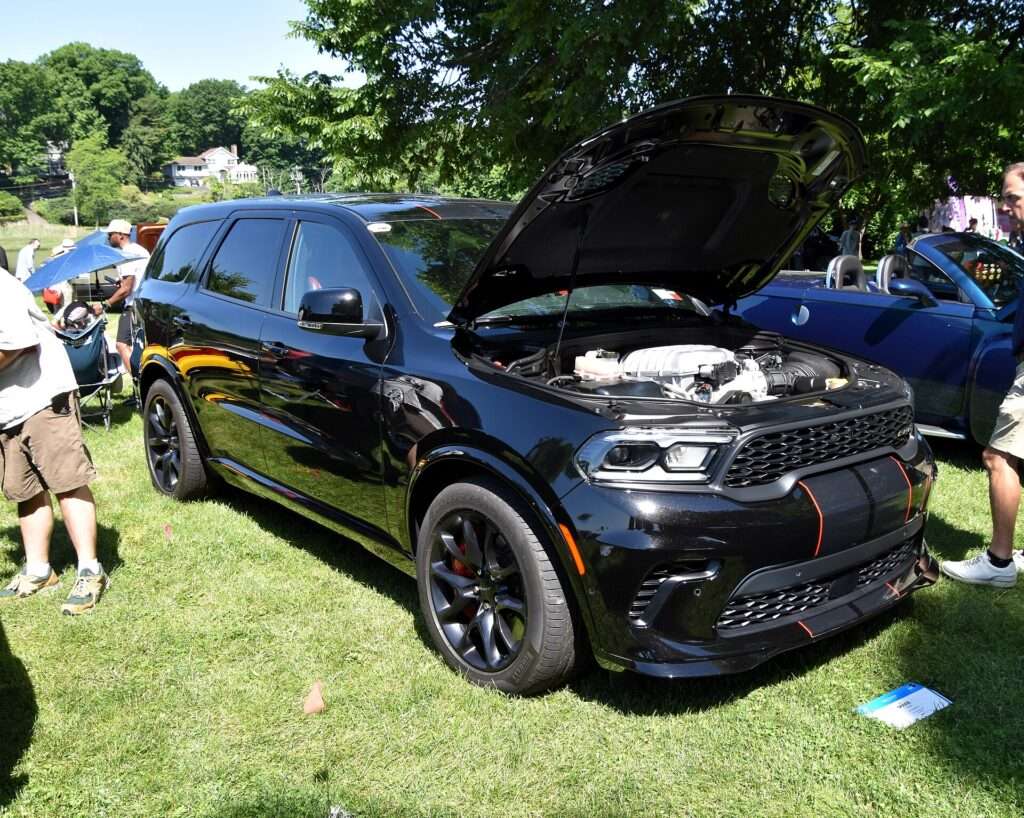
The Durango is not winding down. Stellantis’ October 2025 investment plan committed $130 million to prepare the Jefferson plant for a next-generation Durango, with production expected to start in 2029. That means the current Durango keeps running for roughly two more model years after Dakkota leaves, and it will finish its life with a different company building its dashboard.
Changing a cockpit supplier on a running vehicle is a launch in its own right. The new supplier has to tool or take over tooling, validate parts, prove its sequencing can keep up with line rate, and get through Stellantis’ production part approval process without stopping the line. The car buyer never sees the paperwork. The assembly plant sees every missed delivery, and the owner can see the result in fit and finish: dash rattles, misaligned trim, screens that don’t seat right, airbag-warning lights.
That matters more than usual at Stellantis right now. The company has been building its quality turnaround around early-life warranty data on three-month-old vehicles. A supplier switch on the cockpit of two Detroit-built SUVs over the coming months is the kind of change that shows up first in exactly that data.
What subsidy deals tied to one customer can and can’t promise
Detroit’s pitch for the Mack project had two parts: the assembly plant, and the supplier base that would grow around it. The assembly plant is still running. The supplier piece turns out to rest on purchase orders that Stellantis or the supplier can move, and on a supplier’s own decisions about which business is worth keeping. Neither the city nor the state was a party to those contracts.
Incentive agreements generally measure investment and headcount at a given address. A sourcing decision measures price, capacity and quality across a whole supply base, and it can move work across town without breaking any of the promises written into a grant. Communities that host other Stellantis plants are dealing with their own versions of this; in Canada, the company has lined up an armored-vehicle builder for its idle Brampton plant and still needs the union to sign off.
Whether Kettering’s closure is a relocation or a loss depends on who builds those cockpits next, and where. A site in Detroit keeps the work inside the city’s hiring program; a suburban site keeps it in the region but outside the ZIP codes the 2020 deal was written around. Watch, too, whether that supplier recruits from Dakkota’s laid-off workforce. And then there’s the 32 acres on Van Dyke: a modern plant on a site the city spent years trying to fill, built for one kind of work and about to go dark.
When a city puts land, grants and tax breaks behind a supplier plant whose only customer can take its business elsewhere, should the deal require the jobs to follow the contract, or is that a risk taxpayers simply have to accept?