
Pickup Trucks
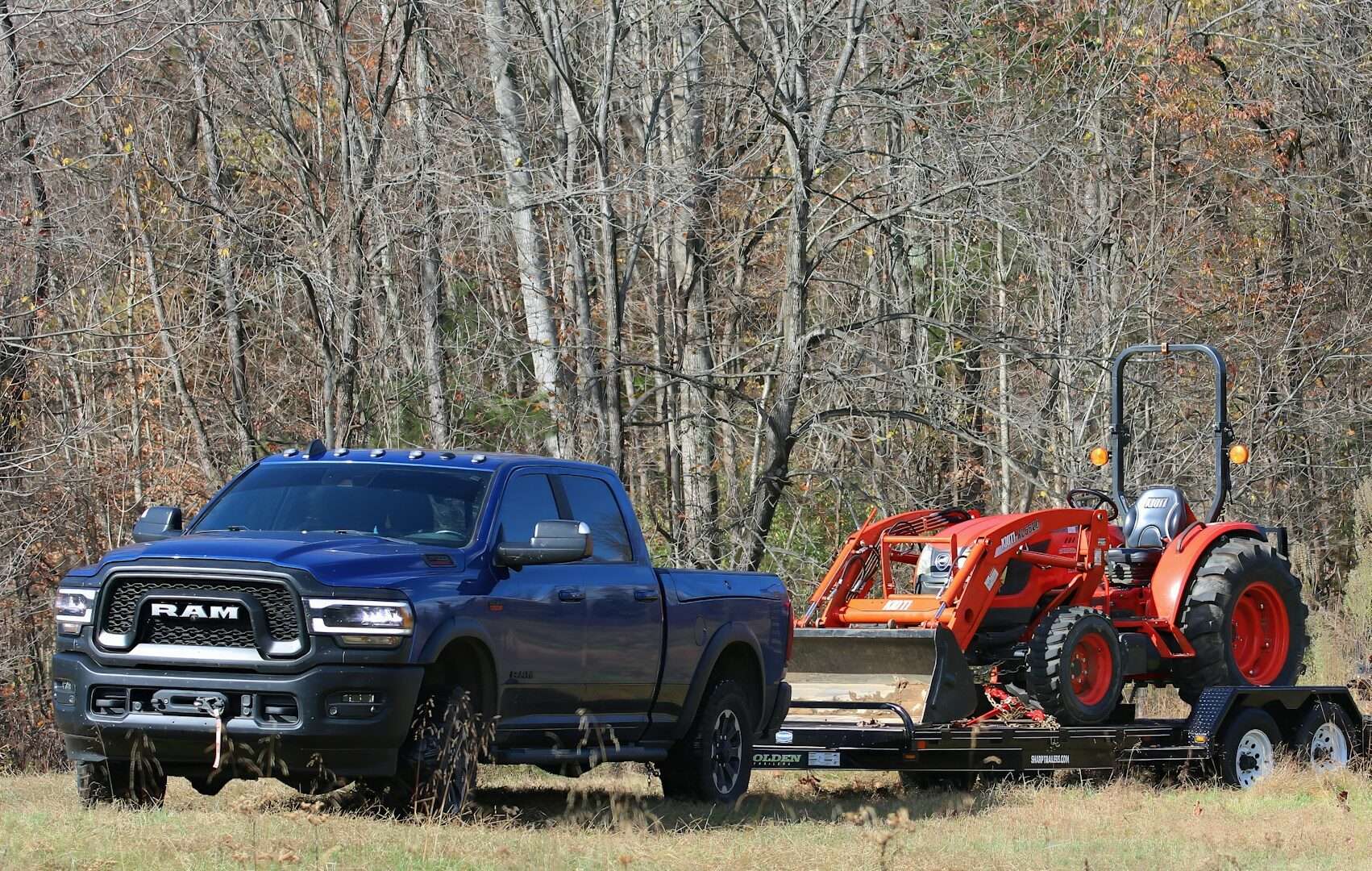
A pickup is a work tool Monday through Friday and a family hauler on weekends. This page covers how to compare payload and towing, light-duty against heavy-duty, gas, diesel and electric, and what to check before buying new or used. We track truck launches, reliability and recalls, and the buying realities behind the best sellers.
Table of Contents
- Understanding the Pickup Truck Market
- Towing and Payload Explained
- Light-Duty vs. Heavy-Duty
- Gas, Diesel, and Electric Trucks
- Cabs, Beds, and Configurations
- Buying New vs. Used
- Truck Reliability and Recalls
- Latest News
- Related Guides
- Expert Resources
- Recommended Reading
- Frequently Asked Questions
Understanding the Pickup Truck Market
Pickup trucks are the best-selling vehicles in America, and the market spans an enormous range, from basic work trucks to luxury models that rival premium SUVs in price and comfort. Understanding where a truck fits in that spectrum is the first step to buying the right one, because a truck optimized for hauling gravel is a very different machine from one built to tow a boat in leather-lined comfort.
The big decisions come down to how you will actually use the truck: what you need to tow or carry, how many passengers you have, whether you drive off-road, and how much daily-driving comfort matters. Buying more capability than you need wastes money and fuel; buying too little leaves you stuck. Matching the truck to the job is everything.
Towing and Payload Explained
Towing and payload are the two capability numbers that matter most, and they are easy to confuse. Getting them right is a safety issue, not just a spec-sheet detail, because exceeding a truck’s limits strains the brakes, suspension, and drivetrain and can be genuinely dangerous.
Payload vs. Towing Capacity
Payload is the weight a truck can carry in the bed and cabin, including passengers and cargo. Towing capacity is the weight it can pull behind it on a trailer. They are separate limits, and they interact: the tongue weight of a trailer counts against payload, so a truck loaded with people and gear can tow less than its headline number suggests. Always account for both together.
Reading the Door Sticker
The most reliable source for your truck’s actual limits is the sticker on the driver’s door jamb, which lists the specific vehicle’s ratings rather than the best-case marketing figure for the model. Marketing numbers usually apply to a stripped-down configuration with the right options; your truck’s real numbers may be lower. When in doubt, trust the door sticker and the owner’s manual.
Light-Duty vs. Heavy-Duty
Trucks are broadly split into light-duty and heavy-duty classes. Light-duty trucks, like the familiar half-ton models, handle most everyday hauling, weekend projects, and moderate towing while remaining reasonable to drive daily. Heavy-duty trucks step up to serious towing and payload for big trailers, campers, and commercial work, at the cost of a stiffer ride, higher price, and more truck than most people need. Be honest about which category your real workload requires.
Gas, Diesel, and Electric Trucks
Trucks now come with three very different powertrains, each suited to different buyers. Gas engines are the affordable, familiar default. Diesels offer strong towing torque and highway efficiency at a premium. Electric trucks bring instant torque and low running costs but raise range questions, especially under load.
Diesel Considerations
A diesel engine shines when you tow heavy loads regularly, delivering abundant low-end torque and better fuel economy on long hauls. The trade-offs are a higher purchase price, costlier maintenance, and emissions systems that require attention. Diesel makes financial sense for high-mileage towers but rarely pays off for light, occasional use.
Electric Pickups
Electric pickups deliver instant torque, quiet operation, low fuel and maintenance costs, and useful features like power outlets and large storage where the engine used to be. The major caveat is range, which drops sharply when towing heavy loads, and a charging network that is still maturing for long hauls. For local use and light towing they are compelling; for long-distance heavy towing the technology is still catching up.
Cabs, Beds, and Configurations
Trucks are sold in a confusing array of cab and bed combinations, and the choice involves real trade-offs. Bigger cabs carry more passengers but usually come with shorter beds on a given wheelbase, while longer beds haul more but make the truck harder to park and maneuver. Think about your typical mix of people and cargo, since you generally cannot maximize both at once.
Buying New vs. Used
Trucks hold their value well, which cuts both ways: used trucks stay relatively expensive, but a new truck depreciates more slowly than most vehicles. A well-maintained used truck can be a smart buy, provided you check its history for signs of hard work, like heavy towing or commercial use, which accelerate wear. Inspect the frame, suspension, and drivetrain carefully on any used truck.
Truck Reliability and Recalls
Truck reliability varies significantly by brand, model, and powertrain, and the added complexity of diesel and electric systems introduces failure points that simple gas trucks avoid. Because trucks are often worked hard, maintenance history matters even more than usual. Checking a model’s recall record and known problem areas before buying can save you from inheriting an expensive, well-documented flaw.
Latest News
The latest pickup truck coverage from The Auto Wire updates automatically below, spanning new models, towing and capability, electric trucks, and reliability. Scroll to the Latest News feed for the most recent stories.
Related Guides
Trucks connect to several other areas of our coverage. These companion hubs go deeper on related topics:
- Vehicle Reliability — how trucks hold up under hard use.
- Car Recalls — defect campaigns affecting trucks.
- Electric Vehicles — including the new electric pickups.
- Automotive Technology — the tech inside modern trucks.
Expert Resources
For towing standards, specs, and safety data, these sources are good starting points:
- NHTSA Towing Safety — federal towing and trailering guidance.
- SAE J2807 — the standard behind tow-rating tests.
- EPA fueleconomy.gov — official efficiency data for trucks.
Recommended Reading
- Towing vs. Payload: The Numbers That Actually Matter
- Are Electric Pickups Ready to Tow?
- How to Inspect a Used Truck Before You Buy
Frequently Asked Questions
What is the difference between payload and towing capacity?
Payload is the weight a truck can carry in its bed and cabin, including passengers and cargo. Towing capacity is the weight it can pull on a trailer. They are separate limits that interact, since a trailer’s tongue weight counts against payload, so you have to account for both at once.
What is the best-selling pickup truck?
Full-size half-ton trucks from the major domestic brands have dominated U.S. sales for decades, with the best-seller title regularly trading among a small group of long-running nameplates. They sell in enormous numbers because they balance capability, comfort, and price for the widest range of buyers.
Are electric pickups worth it?
For local use and light towing, they are compelling, offering instant torque, low running costs, and handy features like onboard power. The main drawbacks are sharply reduced range when towing heavy loads and a still-maturing charging network. Whether one is worth it depends heavily on your towing needs and charging access.
What is the difference between light-duty and heavy-duty?
Light-duty trucks, such as half-ton models, handle everyday hauling and moderate towing while staying comfortable to drive. Heavy-duty trucks are built for serious towing and payload, with stronger frames and drivetrains, at the cost of a stiffer ride and higher price. Most buyers need only light-duty.
How much can a half-ton truck tow?
It varies by configuration, but modern half-ton trucks can typically tow somewhere in the range of 8,000 to 13,000 pounds when properly equipped. Always check the door-jamb sticker for your specific truck rather than the headline marketing figure, which usually reflects an ideal configuration.
Is a diesel truck worth the premium?
For drivers who tow heavy loads regularly or rack up high highway mileage, the extra torque and fuel efficiency can justify the higher purchase and maintenance costs. For light or occasional towing, the premium rarely pays off, and a gas engine makes more sense.
Which trucks are the most reliable?
Reliability varies by brand, model, and powertrain, and simpler gas trucks tend to avoid some of the issues that affect complex diesel and electric systems. Rather than relying on reputation, check current reliability data and the recall history for the specific model and year.
What truck cab configuration should I choose?
It depends on your mix of passengers and cargo. Larger cabs seat more people but usually pair with shorter beds, while longer beds haul more but reduce passenger space and make the truck harder to park. Pick the configuration that fits how you actually use the truck most often.
Do trucks hold their value better than cars?
Generally yes. Strong, steady demand for trucks means they tend to depreciate more slowly than most cars. That helps resale value on a new truck but also keeps used trucks relatively expensive.
How do I check a used truck before buying?
Inspect the frame, suspension, and drivetrain for signs of hard use or towing wear, review the maintenance and recall history, and check for evidence of commercial or off-road abuse. A pre-purchase inspection by a trusted mechanic is well worth the cost on any used truck.
Latest News (Auto-Updating)
-
GM Lost 41,028 EV Sales After the $7,500 Credit Died. Its Entire U.S. Drop Was 39,373.
GM’s EV deliveries fell by 41,028 in the third quarter, more than its total U.S. sales decline, a year after the federal $7,500 credit ended.
-
USPS Is Turning Mail Trucks Into Road Scanners With Nextbase Dash Cams
The most thorough road surveyor in America isn’t a state DOT inspection van or a mapping car. It’s the right-hand-drive box that rolls past your curb six days a week, whether your street deserves the visit or not. The U.S. Postal Service has done the same math. A Sept. 18 letter from USPS Labor Relations…
-
Banning Diesel Exports Could Raise Gas Prices. Trump Says So Himself.
A refinery makes up to 1.8 gallons of gasoline for every gallon of diesel. That is why an export ban aimed at $6.50 diesel could land on gas drivers first.
-
Stuck in Neutral: Inside the Federal Suit Over GM’s Troubled CVTs
John Williams bought a new 2025 Chevrolet Equinox RS from a Sacramento dealer in October 2024 for $36,587.12. Around 7,000 miles, he says, the transmission started shifting roughly and responding late. At about 14,000 miles, still under warranty, the dealer replaced the front axles instead of addressing the transmission and told him the fluid had…
-
Watch: Florida Driver Tossed More Than $6,000 From a GMC Sierra in a Pearland, Texas Chase, Then Got Charged With Tampering
Pearland, Texas police say a Florida man threw more than $6,000 from a GMC Sierra during a chase. The tampering count he faces runs into a 2020 ruling on evidence thrown in plain view.
-
GM Has Now Recalled These Silverado and Sierra Airbags at Least Five Times. Here’s What Keeps Failing.
GM has opened another recall on the side-curtain airbags of its previous-generation full-size pickups. Federal recall data lists campaign 26V611000 under the summary “Air Bag Inflator Endcap May Detach.” It covers 1,559 vehicles under GM recall number N262569920: certain 2016 Chevrolet Silverado 2500/3500 and GMC Sierra 2500/3500 trucks, plus 2016–2017 Silverado 1500 and Sierra 1500…
-
The Corvette Outran the Trooper at 156 MPH. It Couldn’t Outrun the Radio Call to Missouri.
A red C8 Corvette ran from an Arkansas trooper at 156 mph on I-55. It lost anyway, to spike strips staged across the Missouri line and a brake check that ended in a field.
-
Watch a Missouri YouTuber Tear Down a 2022 F-150 EcoBoost That Hit 180,000 Miles in Four Years, Then Find a Piston Burned Straight Through
A 2022 Ford F-150 Lariat that rolled out of the factory in May 2022 had 180,000 miles on it about four years later, and its twin-turbo 3.5-liter EcoBoost V6 ended up on an engine stand in Missouri. The host of the YouTube channel I Do Cars, whose videos send parts buyers to Importapart, a used-parts…
-
A Sheriff’s Helicopter on Another Call Spotted a Truck Under a Scottsdale Lake. Its Owner Went Missing in 2015.
A helicopter crew on an unrelated call spotted a submerged pickup in a McCormick Ranch lake. Inside were human remains, and the registration traced to a New Mexico missing-person case from 2015.
-
Troopers Say He Blew Kisses at the Driver Filming Him on I-75, Brake-Checked Him, and Drove Off. They Found Him at Home That Night.
FHP says a pickup driver blew kisses at a man recording him on I-75 in Riverview, brake-checked him into a crash, then left. Troopers arrested him at home.
-
Hyundai Outsold Ford on Hybrids by 10,000 in August. Now Cox Forecasts Hyundai Takes Ford’s No. 3 Spot in U.S. Sales This Quarter.
Cox Automotive forecasts Hyundai Motor Group will outsell Ford in the third quarter. Hyundai’s hybrid lineup, and Ford’s lack of a compact hybrid crossover, explain most of the swing.
-
Someone Filmed a Corvette’s Speedometer Hitting 301 km/h in Nova Scotia and Posted It. Now the RCMP Wants the Driver’s Name.
There was no radar gun and no traffic stop. The main evidence is a Corvette’s own dashboard reading 301 km/h, filmed from inside the car and posted online.