
Pickup Trucks
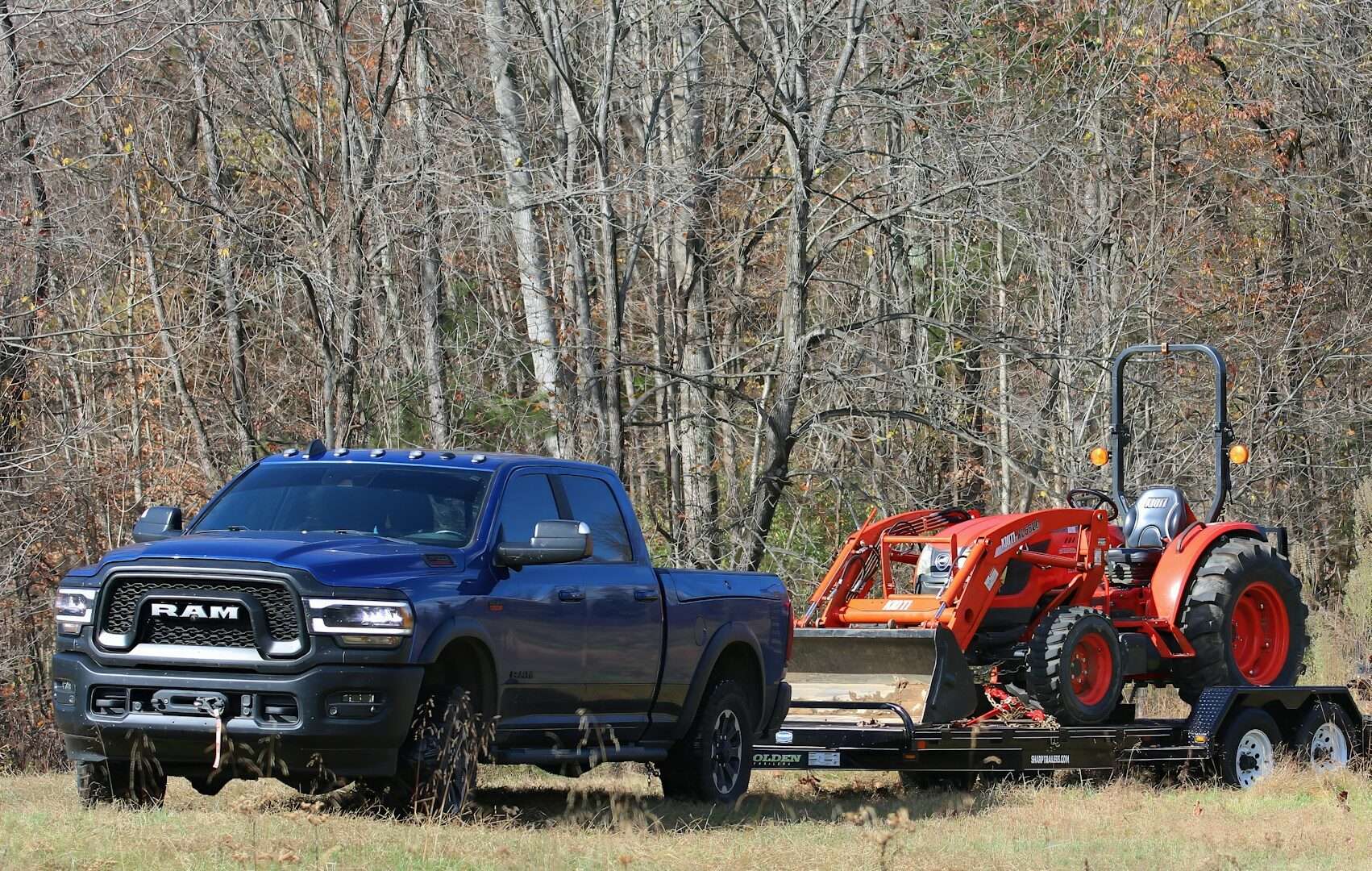
Pickup trucks are the backbone of the American vehicle market, serving as work tools, family haulers, and status symbols all at once. This hub is your evergreen guide to trucks: how to compare payload and towing, the differences between light- and heavy-duty, the rise of electric pickups, and what to know before buying new or used. The Auto Wire covers truck launches, reliability, recalls, and the buying realities behind the best-selling vehicles in the country. Use this page to understand the segment and connect to our reliability, safety, and EV coverage that increasingly shapes truck buying decisions.
Table of Contents
- Understanding the Pickup Truck Market
- Towing and Payload Explained
- Light-Duty vs. Heavy-Duty
- Gas, Diesel, and Electric Trucks
- Cabs, Beds, and Configurations
- Buying New vs. Used
- Truck Reliability and Recalls
- Latest News
- Related Guides
- Expert Resources
- Recommended Reading
- Frequently Asked Questions
Understanding the Pickup Truck Market
Pickup trucks are the best-selling vehicles in America, and the market spans an enormous range, from basic work trucks to luxury models that rival premium SUVs in price and comfort. Understanding where a truck fits in that spectrum is the first step to buying the right one, because a truck optimized for hauling gravel is a very different machine from one built to tow a boat in leather-lined comfort.
The big decisions come down to how you will actually use the truck: what you need to tow or carry, how many passengers you have, whether you drive off-road, and how much daily-driving comfort matters. Buying more capability than you need wastes money and fuel; buying too little leaves you stuck. Matching the truck to the job is everything.
Towing and Payload Explained
Towing and payload are the two capability numbers that matter most, and they are easy to confuse. Getting them right is a safety issue, not just a spec-sheet detail, because exceeding a truck’s limits strains the brakes, suspension, and drivetrain and can be genuinely dangerous.
Payload vs. Towing Capacity
Payload is the weight a truck can carry in the bed and cabin, including passengers and cargo. Towing capacity is the weight it can pull behind it on a trailer. They are separate limits, and they interact: the tongue weight of a trailer counts against payload, so a truck loaded with people and gear can tow less than its headline number suggests. Always account for both together.
Reading the Door Sticker
The most reliable source for your truck’s actual limits is the sticker on the driver’s door jamb, which lists the specific vehicle’s ratings rather than the best-case marketing figure for the model. Marketing numbers usually apply to a stripped-down configuration with the right options; your truck’s real numbers may be lower. When in doubt, trust the door sticker and the owner’s manual.
Light-Duty vs. Heavy-Duty
Trucks are broadly split into light-duty and heavy-duty classes. Light-duty trucks, like the familiar half-ton models, handle most everyday hauling, weekend projects, and moderate towing while remaining reasonable to drive daily. Heavy-duty trucks step up to serious towing and payload for big trailers, campers, and commercial work, at the cost of a stiffer ride, higher price, and more truck than most people need. Be honest about which category your real workload requires.
Gas, Diesel, and Electric Trucks
Trucks now come with three very different powertrains, each suited to different buyers. Gas engines are the affordable, familiar default. Diesels offer strong towing torque and highway efficiency at a premium. Electric trucks bring instant torque and low running costs but raise range questions, especially under load.
Diesel Considerations
A diesel engine shines when you tow heavy loads regularly, delivering abundant low-end torque and better fuel economy on long hauls. The trade-offs are a higher purchase price, costlier maintenance, and emissions systems that require attention. Diesel makes financial sense for high-mileage towers but rarely pays off for light, occasional use.
Electric Pickups
Electric pickups deliver instant torque, quiet operation, low fuel and maintenance costs, and useful features like power outlets and large storage where the engine used to be. The major caveat is range, which drops sharply when towing heavy loads, and a charging network that is still maturing for long hauls. For local use and light towing they are compelling; for long-distance heavy towing the technology is still catching up.
Cabs, Beds, and Configurations
Trucks are sold in a confusing array of cab and bed combinations, and the choice involves real trade-offs. Bigger cabs carry more passengers but usually come with shorter beds on a given wheelbase, while longer beds haul more but make the truck harder to park and maneuver. Think about your typical mix of people and cargo, since you generally cannot maximize both at once.
Buying New vs. Used
Trucks hold their value well, which cuts both ways: used trucks stay relatively expensive, but a new truck depreciates more slowly than most vehicles. A well-maintained used truck can be a smart buy, provided you check its history for signs of hard work, like heavy towing or commercial use, which accelerate wear. Inspect the frame, suspension, and drivetrain carefully on any used truck.
Truck Reliability and Recalls
Truck reliability varies significantly by brand, model, and powertrain, and the added complexity of diesel and electric systems introduces failure points that simple gas trucks avoid. Because trucks are often worked hard, maintenance history matters even more than usual. Checking a model’s recall record and known problem areas before buying can save you from inheriting an expensive, well-documented flaw.
Latest News
The latest pickup truck coverage from The Auto Wire updates automatically below, spanning new models, towing and capability, electric trucks, and reliability. Scroll to the Latest News feed for the most recent stories.
Related Guides
Trucks connect to several other areas of our coverage. These companion hubs go deeper on related topics:
- Vehicle Reliability — how trucks hold up under hard use.
- Car Recalls — defect campaigns affecting trucks.
- Electric Vehicles — including the new electric pickups.
- Automotive Technology — the tech inside modern trucks.
Expert Resources
For towing standards, specs, and safety data, these sources are good starting points:
- NHTSA Towing Safety — federal towing and trailering guidance.
- SAE J2807 — the standard behind tow-rating tests.
- EPA fueleconomy.gov — official efficiency data for trucks.
Recommended Reading
- Towing vs. Payload: The Numbers That Actually Matter
- Are Electric Pickups Ready to Tow?
- How to Inspect a Used Truck Before You Buy
Frequently Asked Questions
What is the difference between payload and towing capacity?
Payload is the weight a truck can carry in its bed and cabin, including passengers and cargo. Towing capacity is the weight it can pull on a trailer. They are separate limits that interact, since a trailer’s tongue weight counts against payload, so you have to account for both at once.
What is the best-selling pickup truck?
Full-size half-ton trucks from the major domestic brands have dominated U.S. sales for decades, with the best-seller title regularly trading among a small group of long-running nameplates. They sell in enormous numbers because they balance capability, comfort, and price for the widest range of buyers.
Are electric pickups worth it?
For local use and light towing, they are compelling, offering instant torque, low running costs, and handy features like onboard power. The main drawbacks are sharply reduced range when towing heavy loads and a still-maturing charging network. Whether one is worth it depends heavily on your towing needs and charging access.
What is the difference between light-duty and heavy-duty?
Light-duty trucks, such as half-ton models, handle everyday hauling and moderate towing while staying comfortable to drive. Heavy-duty trucks are built for serious towing and payload, with stronger frames and drivetrains, at the cost of a stiffer ride and higher price. Most buyers need only light-duty.
How much can a half-ton truck tow?
It varies by configuration, but modern half-ton trucks can typically tow somewhere in the range of 8,000 to 13,000 pounds when properly equipped. Always check the door-jamb sticker for your specific truck rather than the headline marketing figure, which usually reflects an ideal configuration.
Is a diesel truck worth the premium?
For drivers who tow heavy loads regularly or rack up high highway mileage, the extra torque and fuel efficiency can justify the higher purchase and maintenance costs. For light or occasional towing, the premium rarely pays off, and a gas engine makes more sense.
Which trucks are the most reliable?
Reliability varies by brand, model, and powertrain, and simpler gas trucks tend to avoid some of the issues that affect complex diesel and electric systems. Rather than relying on reputation, check current reliability data and the recall history for the specific model and year.
What truck cab configuration should I choose?
It depends on your mix of passengers and cargo. Larger cabs seat more people but usually pair with shorter beds, while longer beds haul more but reduce passenger space and make the truck harder to park. Pick the configuration that fits how you actually use the truck most often.
Do trucks hold their value better than cars?
Generally yes. Strong, steady demand for trucks means they tend to depreciate more slowly than most cars. That helps resale value on a new truck but also keeps used trucks relatively expensive.
How do I check a used truck before buying?
Inspect the frame, suspension, and drivetrain for signs of hard use or towing wear, review the maintenance and recall history, and check for evidence of commercial or off-road abuse. A pre-purchase inspection by a trusted mechanic is well worth the cost on any used truck.
Latest News (Auto-Updating)
-
ZF Is Ending 120 Years of Steering Production in Lafayette. The Engineers Get to Stick Around.
ZF’s WARN notice counts 133 jobs at its Lafayette steering plant, down from about 200 a year earlier, while the R&D center at the same address stays open.
-
The 2027 Corvette’s LS6 V8 Already Has an Oil Leak Fix. Next-Gen Silverado Buyers Should Pay Attention.
GM bulletin PIP6132 fixes a 2027 Corvette LS6 oil leak with two seals and a torque sequence. The same engine family heads to the Silverado and Sierra next.
-
A Georgia Widow Is Suing Over the Lift Kit on the F-150 That Hit Her Husband Head-On, Two Years After the State Exempted Most Modern Lifted Trucks
A Georgia widow’s suit targets the dealer, installer and makers of the lift kit on the F-150 in her husband’s fatal crash. Georgia’s 2024 law exempts most modern trucks from its lift limits.
-
Contaminated LED Chips Could Leave Ford’s Super Duty and Expedition With Dim Headlights
Modern LED headlights are sold as the set-and-forget part of a new truck. They’re supposed to outlast the transmission, the tires, and probably the owner’s patience with the infotainment screen. Ford just learned that a microscopic flaw several suppliers upstream can undo all of that. The automaker has filed a federal recall report covering 2025–2027…
-
Constable: Tahoe Theft Suspects Had List of 2026 Buyers
Before sunrise on Thursday, Sept. 17, a deputy with the Harris County Precinct 1 Constable’s Office broke up an attempt to take a 2026 Chevrolet Tahoe from a driveway in Houston’s Garden Oaks neighborhood. Investigators say they found a laptop connected to the SUV’s onboard computer, and Constable Alan Rosen told KHOU 11 that his…
-
Watch: Garbage Truck Crew Releases Bear Locals Call ‘Chungus’ From the Back of Their Truck After a Worker Realized the Animal Was Inside
A waste collection crew released a bear that locals call “Chungus” from the back of a garbage truck after a worker said he realized the animal was inside, according to video ABC News posted with an Oct. 2, 2026 date on screen. The video does not say where it happened, and The Auto Wire has…
-
Ford’s EV Sales Keep Sliding, Mach-E Inventory Piles Up, and Hybrids Fill the Gap
Ford’s third-quarter sales release covers a lot of ground. It talks up retail share, Super Duty production, Bronco records, and software subscriptions. What it doesn’t include anywhere in the narrative is an electric-vehicle sales number. The only EV mention is a sales incentive near the end. When a company that once built its future around…
-
Ford Recalls 565,691 Broncos Over a Wiring Harness That Can Chafe, Arc and Risk a Fire
Recall headlines love big numbers, and this one has a whopper. Read the actual federal filing, though, and the story becomes less “every Bronco is a fire hazard” and more “Ford found a weak spot in a wiring harness and decided to wrap all of them.” The numbers, straight from the filing Ford’s Part 573…
-
Trump’s Red Diesel Order Turns a 24.4-Cent Fuel Tax Into an IOU
The Oct. 5 order defers the federal tax on red diesel used on highways through Dec. 31. The seller usually owes it, and interstate truckers still owe the states.
-
Chevy’s Pink Corvette Pace Car Pledges $500 Per Caution Lap to Fight Breast Cancer
Nobody in a NASCAR grandstand cheers for a caution. This month, Chevrolet is giving fans at two tracks a reason to at least tolerate them. Chevrolet is bringing back its specially themed pink Corvette Stingray to pace the NASCAR Cup Series field at Talladega Superspeedway and Martinsville Speedway, according to the company’s official announcement. The…
-
BYD’s Shark 6 Security Fix Closes the Door a Researcher Used, and an Aftermarket App Goes With It
BYD says an over-the-air update will close the Android debug route used in the Four Corners Shark 6 demonstration. An accessory maker has already paused its app, and the manufacturer access the researchers simulated is untouched.
-
Your Car’s Phone App Roughly Doubled Its Ad-Tracker Exposure. Owners Can Switch Off Some of It
Northeastern researchers found that pairing a companion app roughly doubled a car’s exposure to advertising and tracking companies. Phone settings and privacy requests can cut some of that back. None of them is an off switch.